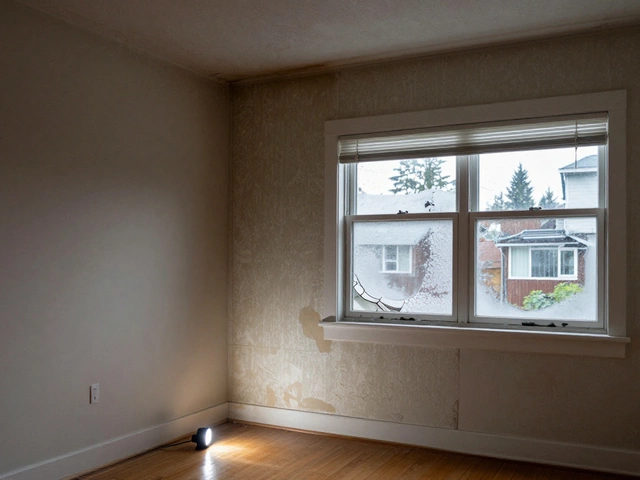
Wall Art Size & Style Calculator
Room Details
Visual Preview
Statement
Recommended Dimensions
Ideal Width: - inches
Ideal Height: - inches
Tip goes here...
Walk into any modern home or browse through top interior design blogs from 2024, and you’ll notice a shift. The days of safe, generic landscape prints are over. People are craving personality, texture, and stories on their walls. But with so many options flooding the market, it’s easy to feel overwhelmed. What actually works? What looks expensive but isn’t? And what will still look good in five years?
In 2024, wall art trends moved away from minimalism toward maximalist warmth. We’re seeing a blend of nostalgia, tactile materials, and bold color choices. Whether you’re decorating a small apartment or a large open-plan living room, understanding these shifts can help you make choices that feel current yet timeless.
The Rise of Abstract Expressionism
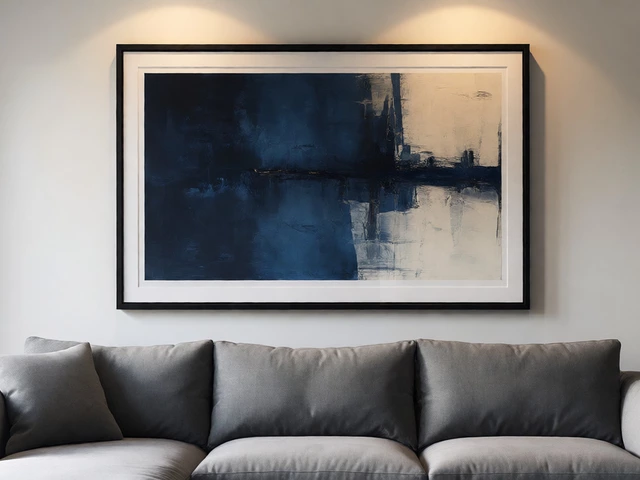
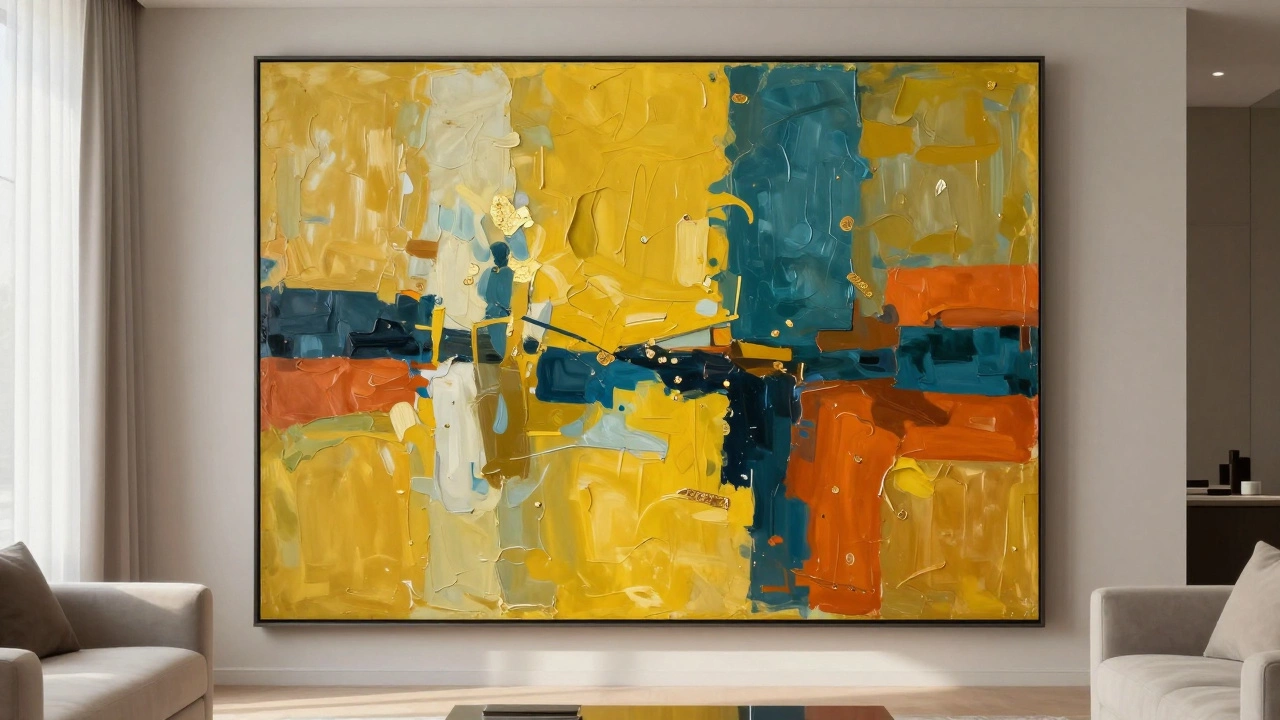
If there’s one style that dominated 2024, it’s abstract expressionism. This isn’t your grandmother’s watercolor washes. Think bold strokes, unexpected color palettes, and compositions that challenge the eye. Artists like Gerhard Richter and Mark Rothko inspired a new wave of creators who focus on emotion over representation.
Abstract art became more than just decoration-it served as a conversation starter. Large-scale pieces in living rooms replaced multiple smaller frames. Why? Because big statements feel bolder and easier to balance in modern spaces.
- Color blocking: Solid blocks of vibrant colors (mustard yellow, deep teal, burnt orange) created visual impact without overwhelming the space.
- Texture play: Many artists incorporated thick impasto techniques, giving paintings physical depth you could almost touch.
- Mixed media: Combining acrylics with gold leaf, sand, or even fabric added layers of interest.
You don’t need an art degree to pull this off. Look for prints or originals that make you pause. If it catches your attention within three seconds, it’s probably worth hanging.
Vintage Prints & Retro Revival
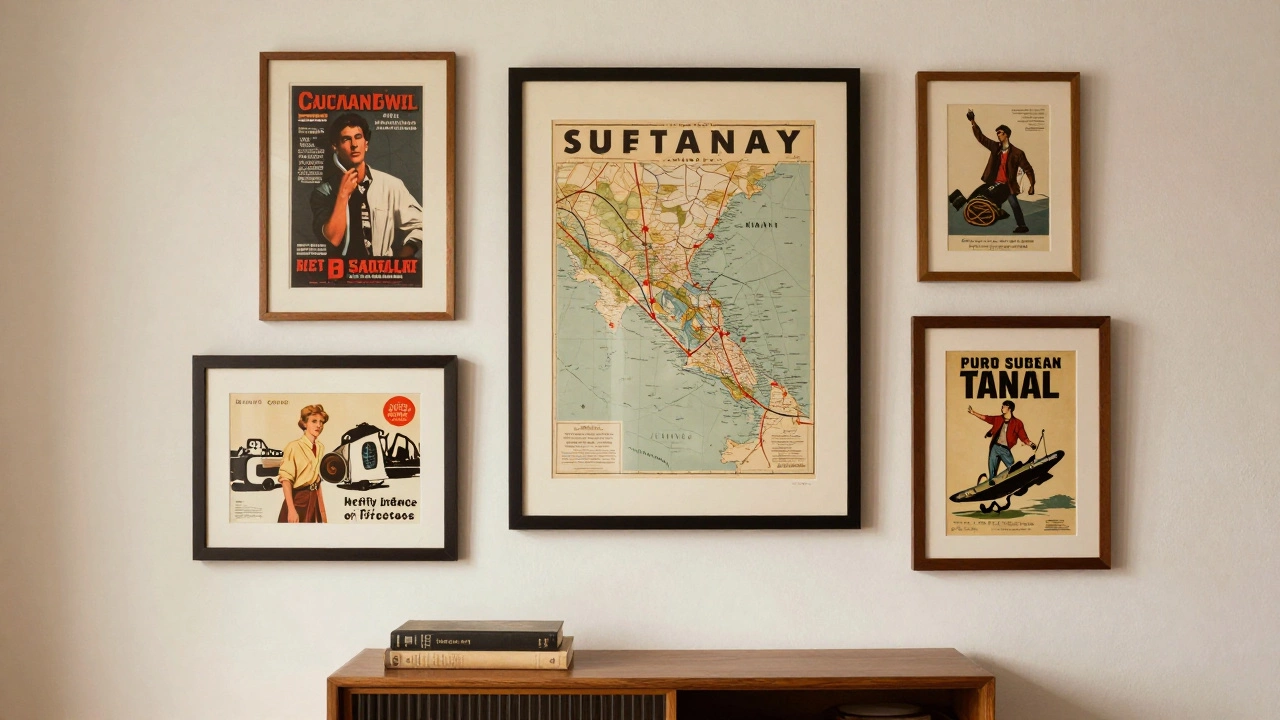
Nostalgia sold well in 2024. Vintage-style posters, mid-century modern advertisements, and retro travel maps made a strong comeback. These pieces bring character and history into homes without requiring actual antique hunting.
| Style | Best For | Price Range | Longevity |
|---|---|---|---|
| Mid-Century Ads | Kitchens, Dens | $20-$80 | High |
| Retro Travel Maps | Home Offices, Entryways | $30-$100 | Medium |
| Classic Movie Posters | Bedrooms, Media Rooms | $15-$60 | Low-Medium |
One key tip: avoid overly saturated digital reproductions. Opt for muted tones or aged paper finishes to keep the vintage vibe authentic. Framing matters too-matte black or natural wood frames complement these styles better than glossy white ones.
Gallery Walls Done Right
Gallery walls didn’t disappear-they evolved. In 2024, people stopped treating them as random collections and started curating intentional layouts. Instead of filling every inch, they focused on cohesion through theme, color, or frame style.
- Pick a unifying element: Same frame color, consistent matting, or a shared subject matter.
- Leave breathing room: Overcrowded walls feel chaotic. Aim for at least 2-3 inches between pieces.
- Mix sizes strategically: Use one large anchor piece surrounded by smaller complementary works.
A popular approach was the “family + favorites” mix. Personal photos blended seamlessly with favorite artwork, creating a narrative rather than a display. It felt lived-in, not staged.
Textured Wall Decor Beyond Paintings
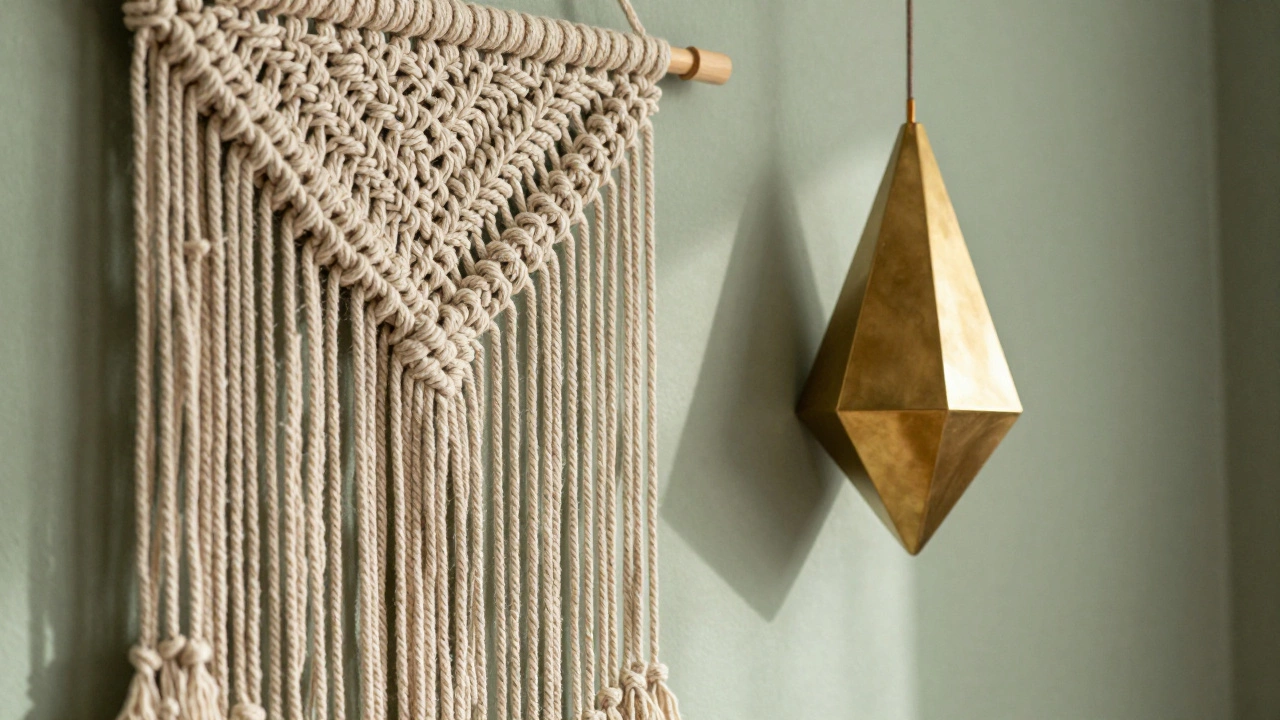
Not all wall art had to be flat. Textured pieces gained traction because they added dimension and sensory appeal. Woven tapestries, macramé hangings, and sculptural metal art brought warmth and movement to otherwise static surfaces.
Macramé wall hangings, especially those using organic fibers like jute or cotton, paired beautifully with bohemian and Scandinavian interiors. They softened hard edges and absorbed sound, making them practical as well as decorative.
Metal sculptures offered contrast. Geometric shapes in brass, copper, or matte black provided sleek accents in minimalist or industrial settings. The trick was scale-smaller pieces worked best when grouped together or placed above consoles.
Personalized & Custom Art
In a world full of mass-produced goods, customization stood out. Families ordered custom portraits, couples commissioned wedding illustrations, and homeowners turned street views into stylized line drawings. Digital tools made this accessible and affordable.
Custom art also included typography-based designs. Quotes, names, or coordinates rendered in elegant scripts became meaningful centerpieces. Just remember: less is more. A single impactful phrase beats cluttered text.
Sustainable & Eco-Friendly Choices
Eco-consciousness influenced buying habits across industries, including wall art. Buyers sought out pieces made from recycled materials, sustainably sourced wood, or non-toxic inks. Even framing options leaned green-bamboo mats, soy-based adhesives, and FSC-certified woods.
Some brands went further, offering carbon-neutral shipping or planting trees per sale. While not always visible, these efforts resonated with environmentally aware consumers looking to align values with purchases.
How to Choose What Fits Your Space
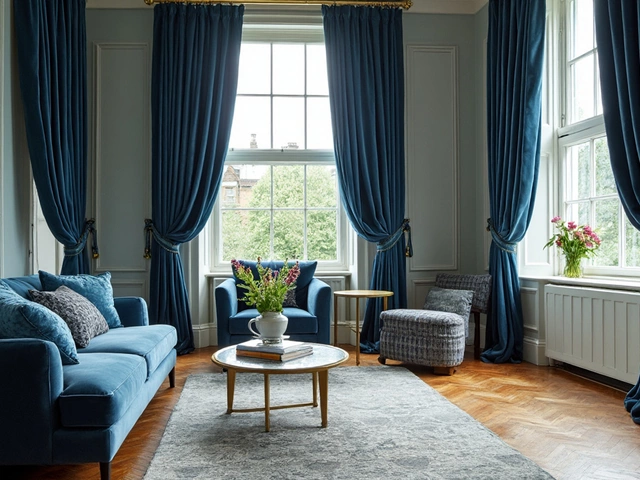
Trends are great, but context matters. Before buying, consider your room’s function, lighting, and existing furniture. Brightly colored abstracts might energize a kitchen but overwhelm a bedroom. Dark-toned vintage prints suit moody reading nooks but may clash with sunlit dining areas.
Also think about longevity. Will you still love this piece in two years? Five? Ten? Fast fashion applies to decor too. Invest in quality over quantity whenever possible.
Where to Find Quality Pieces
Online marketplaces expanded access to global talent. Platforms like Etsy, Society6, and Saatchi Art connected buyers directly with independent artists. Local galleries and craft fairs remained valuable for discovering unique, handcrafted items.
Budget-friendly alternatives included high-quality giclée prints, which mimic original textures and colors at lower prices. Always check resolution details before purchasing-low-res images lose detail when enlarged.
What size should my wall art be?
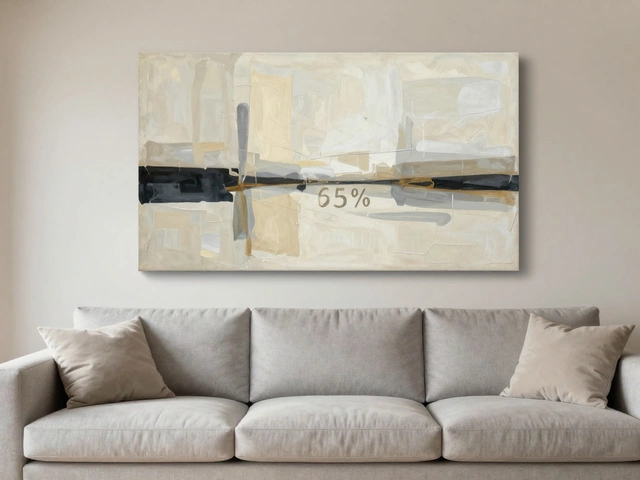
Aim for artwork that covers about 60% of the available wall space. For example, if your sofa is 8 feet wide, choose a piece around 4.5 to 5 feet across. Groupings should maintain similar proportions relative to surrounding furniture.
Can I mix different art styles in one room?
Yes, mixing styles adds personality. Keep cohesion by repeating colors, using matching frames, or anchoring eclectic pieces with neutral backgrounds. Balance chaos with order.
Is framed art better than canvas?
It depends on your aesthetic. Frames offer structure and formality; canvases feel relaxed and contemporary. Both work well-choose based on how formal or casual you want the space to feel.
How do I hang heavy wall art safely?
Use appropriate anchors for your wall type. Drywall requires toggle bolts for anything over 20 lbs. Studs handle heavier loads naturally. Measure twice, mark lightly, and level carefully.
Should I follow trends or stick to personal taste?
Prioritize personal connection. Trends fade quickly. Choose pieces that resonate emotionally-you’ll enjoy them longer and avoid regretful redecorations.