Foundation Repair Cost Estimator
Use this tool to get a realistic estimate for your foundation repair project. Select the primary issue and adjust variables to see how costs change.
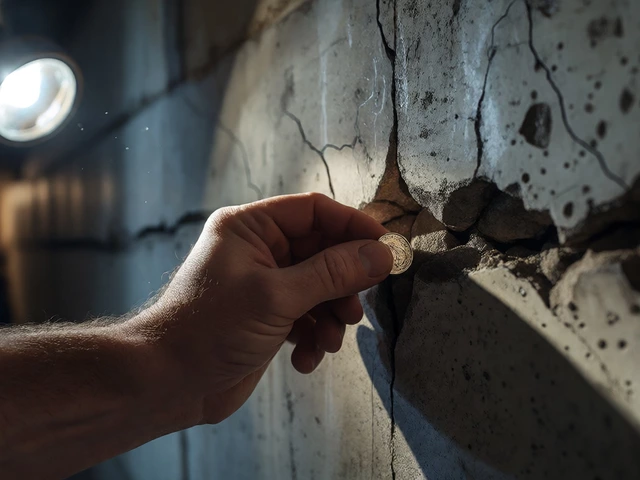
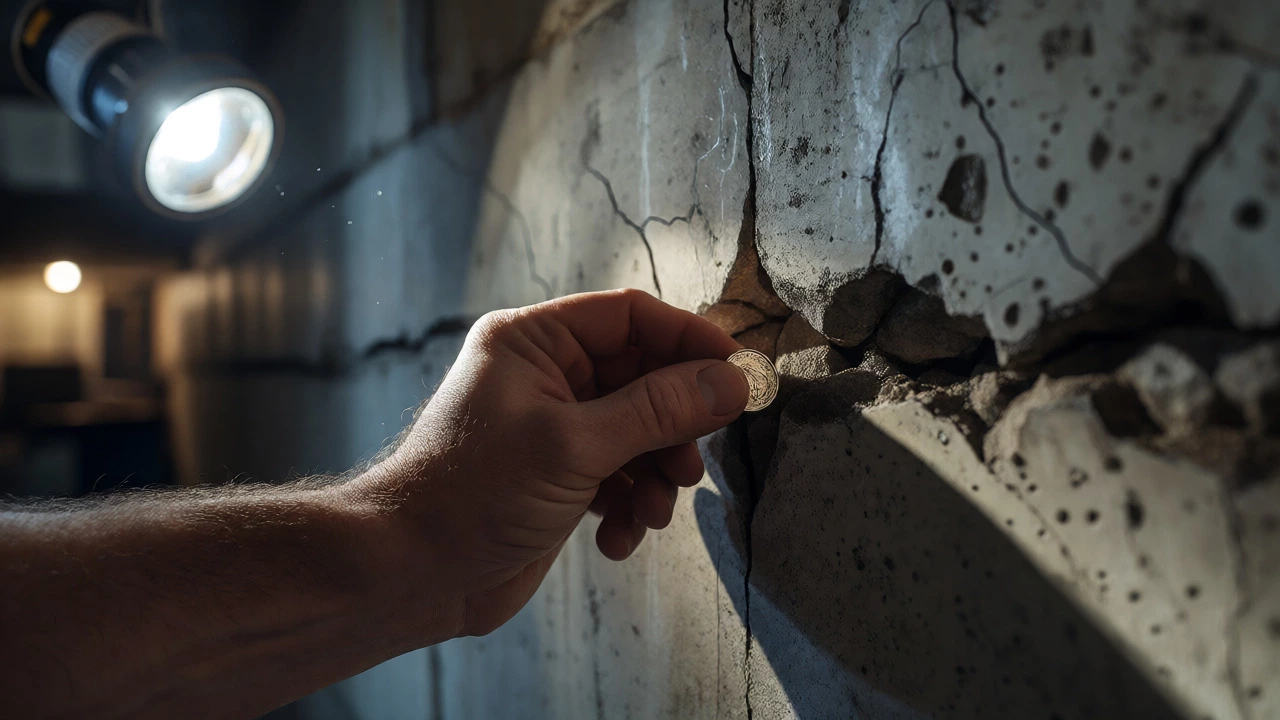
You stare at the crack in your basement wall. It’s not just a hairline fracture anymore; it’s wide enough to slide a coin into. The panic sets in, but so does the dread about the bill. Homeowners often assume all foundation fixes are created equal, but they aren’t. Some repairs are quick patches that cost a few hundred dollars, while others require heavy machinery, structural engineering, and weeks of labor. If you’re wondering what type of foundation repair is most expensive, the answer usually points to full structural stabilization involving deep piers or extensive excavation.
Why do costs vary so wildly? It comes down to access, depth, and severity. A simple crack injection is cheap because it’s superficial. But when the soil beneath your home shifts-whether due to Vancouver’s clay soils expanding with moisture or shrinking during dry spells-the entire structure can move. Fixing that movement requires going deep, sometimes twenty feet or more, to reach stable bedrock. That’s where the money goes. This guide breaks down the price tags of common foundation issues, helping you budget for the worst-case scenarios before the contractor arrives.
The High Cost of Deep Piers and Underpinning
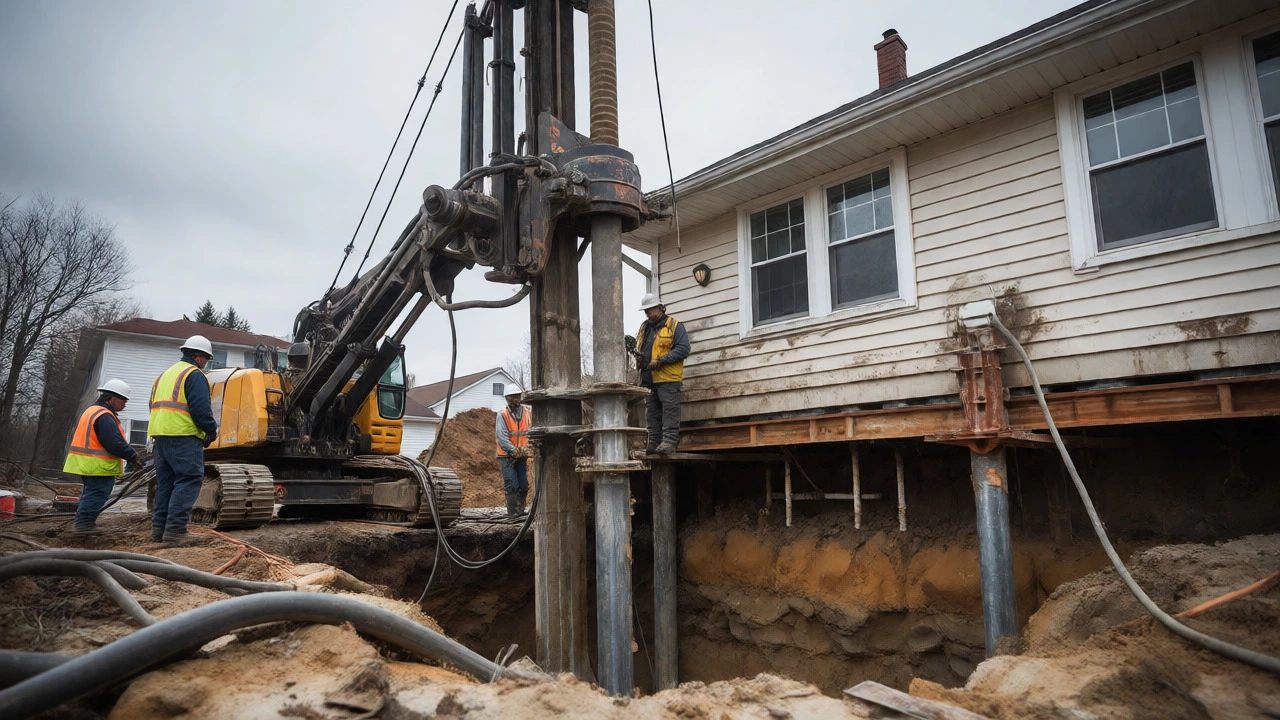
If there is one category that consistently tops the expense charts, it is underpinning using push piers or helical piers. These systems are designed to lift and stabilize foundations that have sunk significantly. Unlike shallow repairs, these methods involve driving steel shafts deep into the ground until they hit load-bearing strata. The complexity here isn’t just in the materials; it’s in the logistics. You need hydraulic jacks, specialized drilling equipment, and skilled operators who understand soil mechanics.
In regions like the Pacific Northwest, where expansive clay soils cause significant heave and settlement, this work is common. The average cost for installing a single steel push pier can range from $1,500 to $3,000. Now, multiply that by the number of piers needed. A typical corner of a house might need two or three piers. If your home has multiple corners affected, you could be looking at eight to twelve piers. Suddenly, a "simple" repair becomes a $15,000 to $30,000 project. And if you add helical piers, which are screwed into the ground rather than driven, the cost per unit can rise further due to the specialized torque motors required.
| Repair Method | Primary Use Case | Average Cost Range | Complexity Factor |
|---|---|---|---|
| Epoxy Injection | Non-structural cracks | $250 - $800 per crack | Low |
| Slab Jacking (Mudjacking) | Sunken concrete slabs | $3 - $6 per sq ft | Medium |
| Carbon Fiber Straps | Bowing walls (minor) | $250 - $400 per strap | Medium |
| Steel Push/Helical Piers | Settling/heaving foundations | $1,500 - $3,500 per pier | High |
| Full Basement Excavation | Severe water damage/structural failure | $50,000+ | Very High |
Why Basement Excavation Can Be the Ultimate Expense
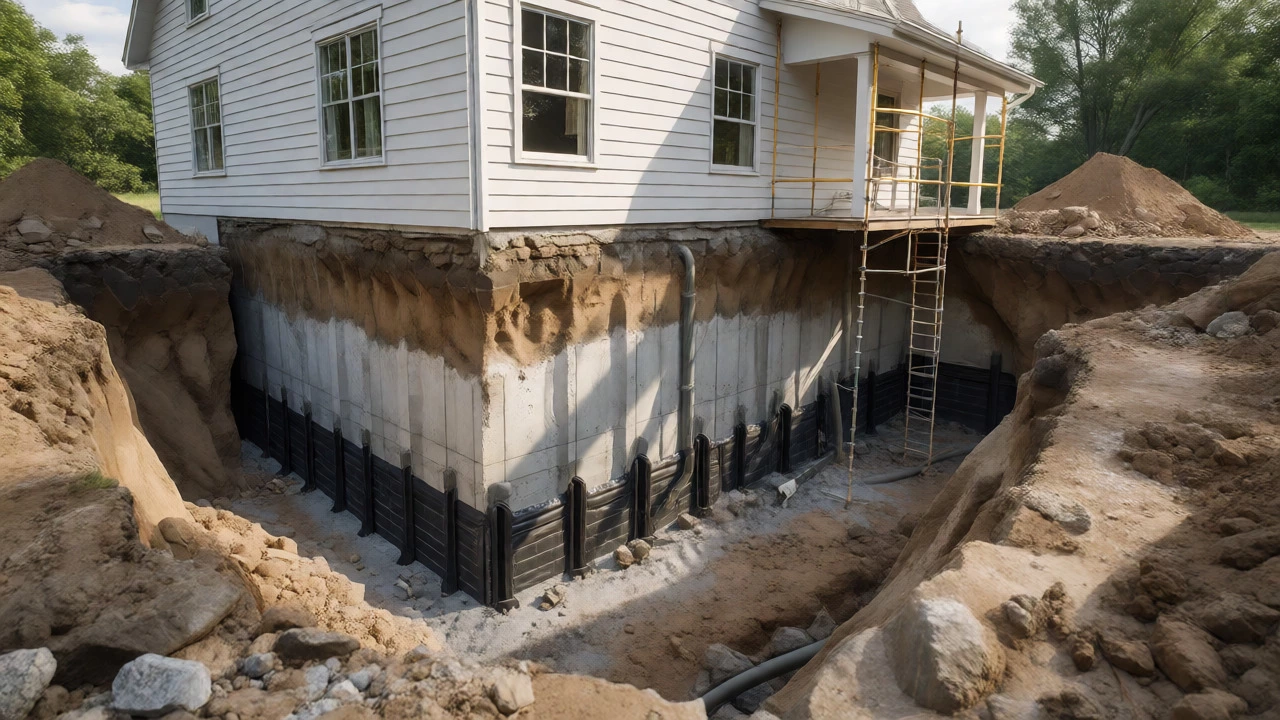
While piers are expensive per unit, full basement excavation is often the single most costly foundation-related project. This isn’t always strictly "repair" in the sense of fixing a crack, but it addresses the root cause: water pressure and structural compromise. When hydrostatic pressure builds up around your foundation walls, it can bow them inward or cause them to collapse. To fix this properly, contractors may need to dig out the perimeter of your home, install new drainage systems, apply waterproofing membranes, and then backfill.
This process is labor-intensive and disruptive. You’re moving tons of dirt, dealing with potential utility line conflicts, and managing weather delays. In older homes, you might also encounter unexpected obstacles like old stone footings or buried debris. The cost here rarely dips below $20,000 and can easily exceed $75,000 for large properties. Why pay this much? Because partial fixes often fail. If the water source isn’t managed, the foundation will continue to degrade. Homeowners often choose this route when selling a property with known water issues, as buyers demand comprehensive solutions.
The Hidden Costs of Access and Site Conditions
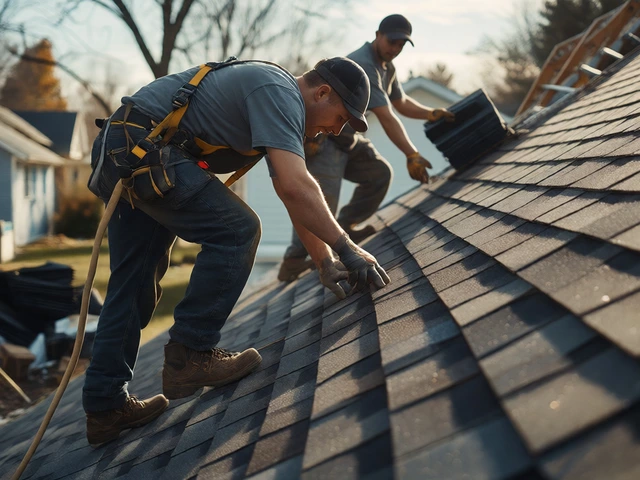
It’s not just about what you fix; it’s about how hard it is to get to the problem. Two identical houses can have vastly different repair bills based on site conditions. Consider a home built on a slope versus a flat lot. On a slope, contractors need scaffolding, safety barriers, and potentially smaller equipment to navigate tight spaces. This increases labor hours and rental costs for machinery.
Access issues also play a huge role. If your yard is narrow, or if landscaping features like mature trees, patios, or fences block the way, the crew spends time dismantling and restoring these elements. Tree removal alone can cost $500 to $2,000. Restoring a patio after excavation adds another layer of expense. Furthermore, if the repair requires digging near gas lines or electrical conduits, you’ll need permits and inspections, adding administrative fees and time delays. Always ask your contractor for a detailed breakdown of "soft costs" like permits, engineering reports, and site restoration, not just the hardware.
Comparing Minor Repairs vs. Major Structural Fixes
Not every foundation issue needs a five-figure checkbook. Many problems are cosmetic or minor structural concerns that can be addressed affordably. Epoxy injection is the go-to for non-structural cracks. It seals the crack against water intrusion and restores some tensile strength. It’s fast, clean, and relatively cheap. However, it doesn’t stop movement. If your foundation is still shifting, epoxy will eventually crack again.
For bowing walls, carbon fiber straps offer a middle-ground solution. They are stronger than steel plates and don’t take up space like traditional anchors. A typical installation might cost $2,000 to $5,000 depending on the number of straps. This is significantly cheaper than piers but only works if the wall hasn’t moved more than an inch or two. Once you cross that threshold, you’re likely into the realm of piers or excavation. Knowing where you fall on this spectrum saves you from paying for over-engineered solutions-or worse, under-engineered ones that fail quickly.
How Soil Type Influences Your Bill
Here in Vancouver, we deal with specific soil challenges. Clay soils expand when wet and shrink when dry. This cyclical movement puts immense stress on foundations. In contrast, sandy soils drain well but can shift laterally. The type of soil dictates the repair method, which directly impacts cost.
In clay-heavy areas, you often need deeper piers because the unstable zone is thicker. You might need to go 15-20 feet deep to find stability. In sandy areas, lateral support might be more critical, requiring different anchoring techniques. Additionally, high water tables complicate everything. Working in wet soil requires dewatering pumps, which run continuously and consume electricity. If you live in a flood-prone area, your foundation repair quote will include waterproofing measures that wouldn’t be necessary in a drier climate. Always get a soil test if you’re unsure; it provides data that prevents guesswork and unnecessary expenses.
Factors That Inflate Foundation Repair Quotes
When reviewing estimates, watch out for these common inflation drivers:
- Engineering Reports: Most municipalities require a licensed structural engineer to sign off on major repairs. This report can cost $500-$1,500.
- Permit Fees: Vary by city but can add hundreds to thousands to the total.
- Emergency Service: If your foundation fails during a storm, emergency mobilization fees apply.
- Material Price Volatility: Steel prices fluctuate. A quote valid for 30 days might expire if steel spikes.
- Landscaping Restoration: Often excluded from base quotes. Digging trenches destroys lawns and gardens.
Don’t assume the lowest bid is the best value. A contractor offering half the price might be skipping the engineering phase or using inferior materials. Check reviews, verify insurance, and ensure they provide a transferable warranty. A 10-year warranty on piers is standard; anything less is a red flag.
Is underpinning always the most expensive foundation repair?
Underpinning is typically among the most expensive individual components, costing $1,500-$3,500 per pier. However, full basement excavation or rebuilding a section of the foundation can exceed these costs, reaching $50,000+ for extensive projects.
Can I fix foundation cracks myself to save money?
Yes, for small, non-structural cracks. Using polyurethane or epoxy kits costs under $50. However, DIY won't address underlying settlement or bowing. Misdiagnosing a serious issue as cosmetic can lead to higher costs later.
How long does foundation repair take?
Minor repairs like epoxy injection take a day. Pier installation takes 2-5 days depending on the number of piers. Full excavation projects can last several weeks due to drying times and backfilling requirements.
Does homeowners insurance cover foundation repair?
Generally, no. Standard policies exclude wear and tear, settling, and earth movement. Exceptions exist if sudden events like plumbing leaks cause the damage. Always check your policy specifics.
Are helical piers better than push piers?
Helical piers are screwed into the ground, making them suitable for lighter loads or difficult access sites. Push piers are driven hydraulically and handle heavier loads. Helical piers can be slightly more expensive per unit due to specialized installation equipment.