Renovation Budget Calculator
Step 1: Select Your Renovation Type
Step 2: See Your Budget Breakdown
Enter your base budget to see your total required budget.
Vancouver Average Costs:
- Roof $15,000 - $30,000
- Electrical $2,500 - $5,000
- Kitchen $40,000 - $80,000
- Basement $30,000 - $60,000
Before you pick out tile samples or hire a contractor, there’s one thing you must do-plan. Not just a vague idea of "I want a new kitchen," but a real, grounded plan that answers the basics: Why are you renovating? What’s broken? What can you afford? Skipping this step is the number one reason renovations go over budget, take twice as long, or leave you living in a construction zone for months.
Assess What Needs Fixing, Not Just What Looks Ugly
Most people start renovations by focusing on aesthetics. They see old cabinets, worn carpet, or dated lighting and think, "I need to replace this." But that’s backwards. The first step isn’t about style-it’s about function. What’s actually broken? What’s unsafe? What’s wasting money?
Walk through your house room by room and ask:
- Is the roof leaking anywhere?
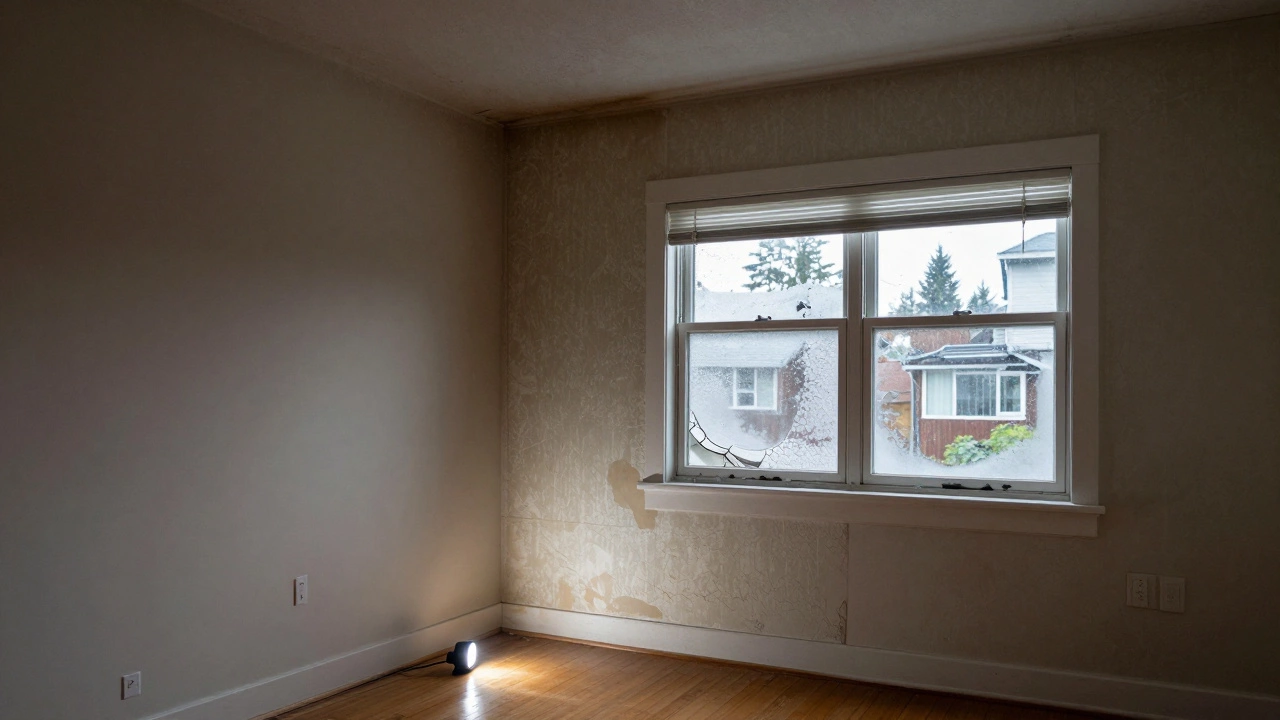
- Are the windows drafty or fogged between the panes?
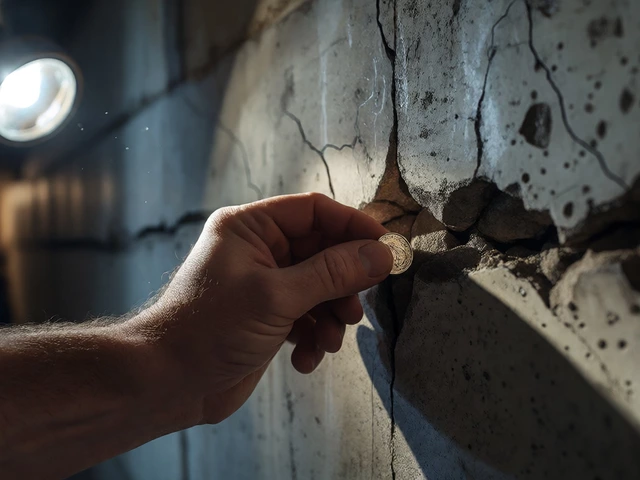
- Do any walls feel soft or spongy when you press on them?
- Is the electrical system still using knob-and-tube wiring or aluminum wiring?
- Are the pipes making strange noises or showing signs of corrosion?
These aren’t "nice to fix" issues-they’re dealbreakers. A leaking roof can rot your framing. Outdated wiring can start fires. Old plumbing can burst and flood your basement. Fixing these before you touch paint or cabinets saves you from having to tear out your new kitchen because the walls behind it are moldy.
In Vancouver, where homes are often 50+ years old and rain is constant, moisture damage is the silent killer. I’ve seen too many people spend $40,000 on a fancy kitchen, only to find out six months later that the subfloor under it is rotting because a leaky window was ignored. That’s not a renovation-it’s a money pit.
Get a Professional Inspection (Even If You Think You Know What’s Wrong)
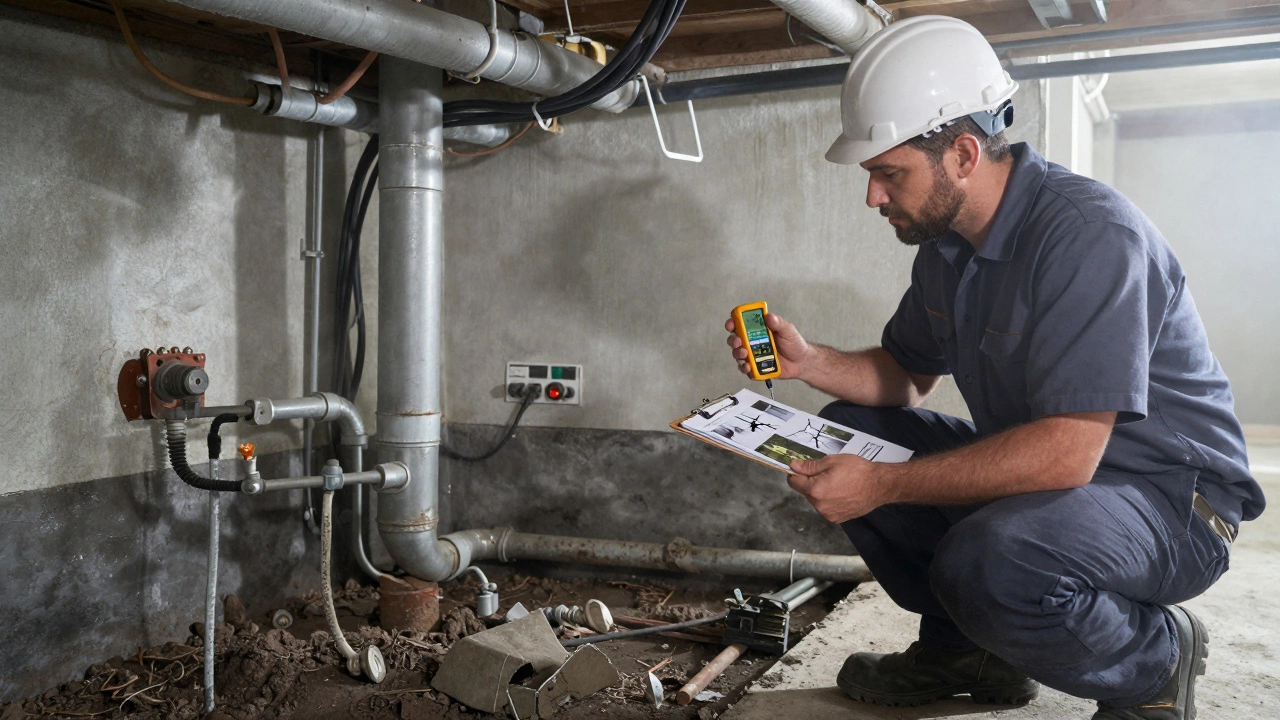
You might think you know what’s wrong with your house. But unless you’ve been trained to spot hidden issues, you’re probably missing half the story. A licensed home inspector doesn’t just check for code violations-they find what’s hiding behind walls, under floors, and above ceilings.
A pre-renovation inspection costs between $400 and $700 in British Columbia. That’s not an expense-it’s insurance. The inspector will:
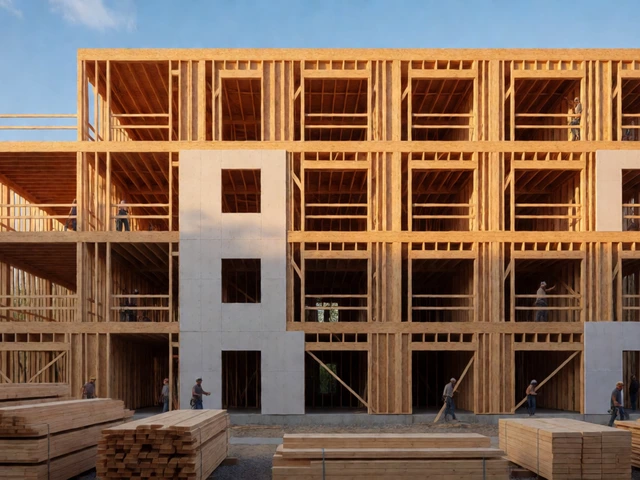
- Check for structural damage in the foundation or load-bearing walls
- Test for mold, radon, and asbestos (common in older homes)
- Identify outdated or unsafe electrical and plumbing systems
- Report on insulation levels and air leakage points
They’ll give you a written report with photos and priorities. This isn’t just a checklist-it’s your roadmap. If the inspector says the foundation has shifting cracks, you don’t start with new cabinets. You fix the foundation first. If they find asbestos in the insulation, you need a certified abatement team before any demo work begins.
Skipping this step because you "don’t want to pay for it" is like skipping a car inspection before a cross-country road trip. You might make it-but you’re risking a breakdown that costs ten times more.
Set a Realistic Budget-Then Add 20%
Every renovation guide says "set a budget." But most people set a fantasy budget based on Instagram posts, not reality. The first step isn’t picking out countertops-it’s figuring out how much money you actually have to spend, and how much you can afford to lose.
Start with your hard numbers:
- How much cash do you have saved?
- Can you get a home equity line of credit? What’s your interest rate?
- Will you live in the house during renovation? That adds costs for temporary housing, meals, and storage.
Then look at average costs in Vancouver for the work you need:
- Replacing a roof: $15,000-$30,000
- Upgrading electrical panel: $2,500-$5,000
- Full kitchen remodel: $40,000-$80,000
- Basement finishing: $30,000-$60,000
Now add 20% to your total. Why? Because every renovation hits surprises. A pipe breaks during demo. The floor joists are rotted. The city requires a new permit you didn’t know about. That 20% isn’t padding-it’s a buffer for reality.
If your budget can’t cover the inspection, the structural fixes, and the 20% buffer, then you’re not ready to start. Pushing forward without enough money means cutting corners that will cost you more later.
Know What Permits You Need Before You Break a Single Nail
Permits aren’t bureaucracy-they’re protection. In Vancouver, you need permits for almost anything that changes the structure, plumbing, electrical, or exterior of your home. Doing work without one isn’t just illegal-it can void your home insurance.
Here’s what usually needs a permit:
- Removing or adding walls
- Relocating plumbing or electrical
- Adding a deck or porch
- Finishing a basement
- Replacing windows or siding
Some homeowners skip permits to save time or money. But if you sell your house later and the buyer’s inspector finds unpermitted work, you could be forced to tear it out-or pay a steep fine. The city can also put a lien on your property.
Start by visiting the City of Vancouver’s Building Permit Portal. You can download the checklist for your project type. Most permits take 2-6 weeks to approve. Don’t wait until after you’ve hired a contractor. Get the permit process started before you sign any contracts.
Write Down Your Goals-Then Rank Them
Now that you’ve figured out what’s broken, what it’ll cost, and what’s legal, it’s time to think about what you actually want. This is where most people get lost.
Write down every change you’d love to make. Then rank them:
- Must-haves: Things that fix safety or function (new roof, updated wiring, leaky windows)
- Should-haves: Things that improve comfort or efficiency (better insulation, new HVAC, smart thermostat)
- Want-to-haves: Things that are purely aesthetic (marble countertops, heated floors, custom cabinetry)
If your budget only covers the must-haves, that’s okay. You can add the wants later. But if you start with the wants, you’ll run out of money before fixing the real problems.
For example: You want an open-concept kitchen. But the load-bearing wall you need to remove requires structural engineering. That’s a must-have if you want to do it safely. The quartz countertop? That’s a want. Do the structure first. The glam can wait.
Find the Right Contractor After You Know What You Need
Don’t hire a contractor before you’ve done your homework. You’ll end up paying for their mistakes, not your vision.
Once you have your inspection report, your permit list, and your prioritized goals, then start asking for quotes. Look for contractors who specialize in the type of work you need-not just "general contractors." A guy who does decks won’t know how to handle a seismic retrofit.
Ask for:
- Proof of license and insurance (ask for the number and call the BC Housing Licensing Board to verify)
- Three recent references with similar projects
- A detailed written estimate that breaks down labor, materials, and permits
Never pay more than 10% upfront. Never pay in cash. Always use a contract that includes start/end dates, payment schedule, and cleanup terms.
And remember: the cheapest bid isn’t the best bid. It’s often the one that cuts corners or leaves you with hidden costs later.
Start With the Foundation-Literally
The first step in renovating a house isn’t picking paint colors or browsing Pinterest. It’s understanding what’s beneath your feet and behind your walls. It’s knowing what’s broken, what’s dangerous, and what you can afford to fix.
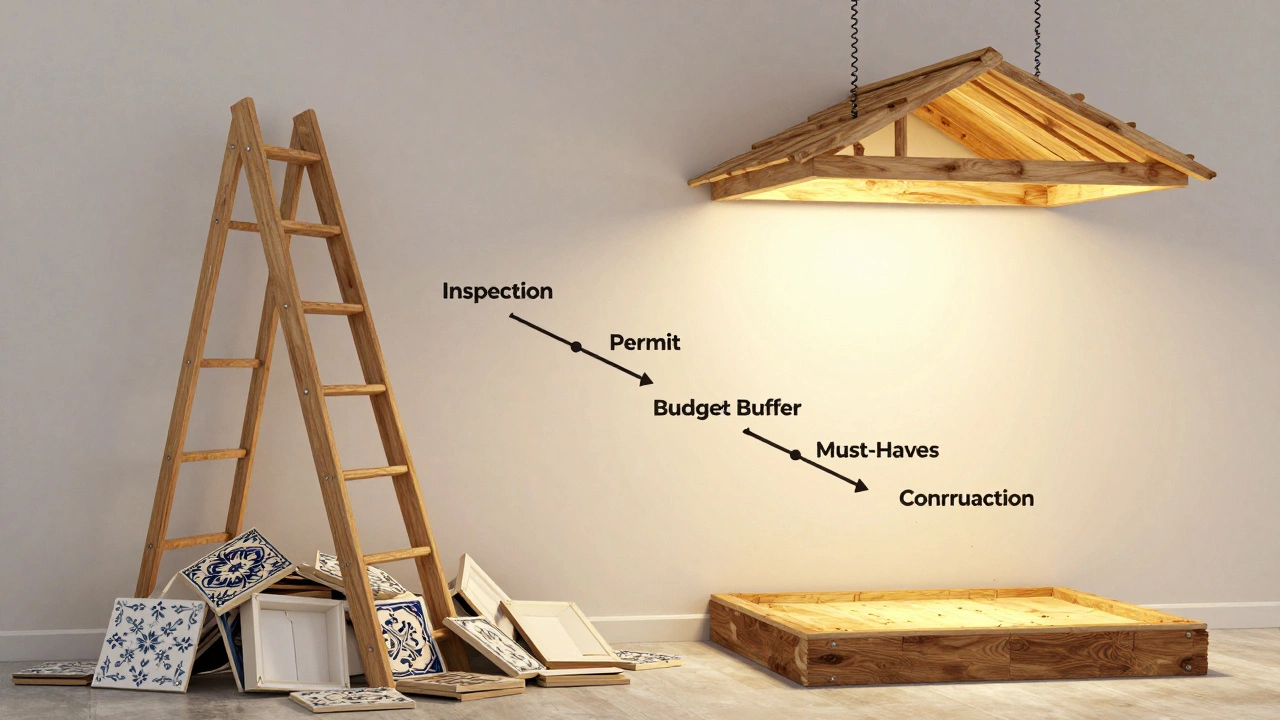
Do the inspection. Get the permits. Set the budget with a buffer. Rank your goals. Hire the right person. Only then do you start demoing walls or ordering materials.
Renovating a house isn’t about making it look better. It’s about making it safer, more efficient, and worth the money you’re spending. Skip the first step, and you’re not renovating-you’re gambling.