Wrap a Couch for Storage – Quick, Clean, and Damage‑Free
When working with wrap a couch for storage, the process of covering a sofa with protective material so it stays safe during a move or seasonal storage. Also known as couch covering, it helps prevent dust, moisture, and pests from harming the piece. home storage, organizing and protecting household items in a closet, garage, or unit often relies on such methods, and the right approach can make the difference between a fresh couch and a ruined one. couch, a padded seating furniture item commonly found in living rooms needs a snug yet breathable wrap, while furniture mold, fungal growth that thrives in damp, poorly ventilated storage spaces is a key risk to watch for.
Wrapping a couch for storage requires a few core steps: choose the right material, secure it properly, and store the piece in a suitable environment. Breathable moving blankets or furniture covers let air circulate, which reduces the chance of furniture mold forming. A tight plastic sheet can trap moisture, leading to odor and decay. This is why many storage experts recommend a layered approach—first a cotton or canvas cover, then a light vapor‑barrier film if extra protection is needed. The home storage space itself should be cool, dry, and away from direct sunlight; a temperature range of 50‑70°F and humidity below 55% keeps most fabrics in good shape.
Key Materials and Tools for a Safe Wrap
Here are the most common items you’ll need:
- Moving blankets – thick, quilted fabric that cushions and breathes.
- Furniture covers – stretchy, water‑resistant sleeves designed for sofas.
- Plastic wrap – clear film for an extra barrier, but use sparingly.
- Packing tape – reinforces seams without squeezing the fabric.
- Straps or rope – keep the wrap tight without over‑tightening.
When you layer these, you create a system where each component supports the next: the moving blanket cushions, the cover shields from dust, and the plastic wrap blocks accidental spills. This hierarchy encompasses the idea that proper protection is more than a single sheet; it’s a blend of comfort, breathability, and barrier protection.
After you’ve wrapped the couch, think about placement. Stacking heavy boxes on top can compress cushions and warp frames. Instead, store the couch upright or on its side, with the back against a wall for support. Adding furniture risers lifts the piece off the floor, improving air flow and further lowering mold risk. If you’re using a storage unit, line the floor with a pallet or thick mat to keep moisture from seeping up.
These practical steps tie back to the broader theme of home storage efficiency. By treating your couch like any other valuable item—protecting it from dust, moisture, and pressure—you extend its life and keep your living room ready for the next season. Below you’ll find a curated list of articles that dive deeper into specific topics: from DIY storage hacks to mold prevention tricks, choosing the right cushion types, and the latest trends in furniture care. Use them as a toolbox to fine‑tune your own storage plan and keep every piece of furniture looking its best.
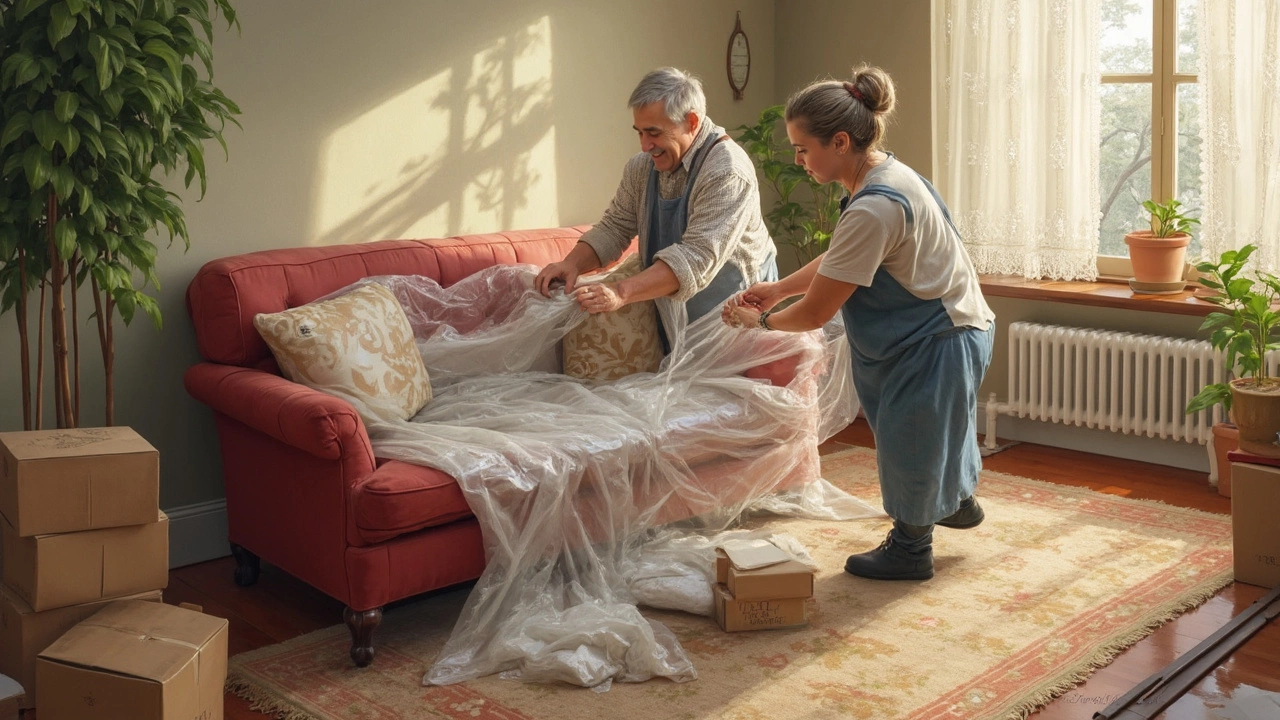
Best Way to Wrap a Couch for Storage: Tips and Mistakes to Avoid
Wondering if you should wrap a couch for storage? This guide covers how to protect your couch, what materials to use, and common mistakes to avoid.
full article