Waterproof Foundation: How to Protect Your Home from Water Damage
When your waterproof foundation, a protective system designed to keep water out of a home’s base structure. Also known as foundation waterproofing, it’s not just about stopping leaks—it’s about stopping slow, silent damage that can weaken your whole house over time. If water gets past your foundation, it doesn’t just wet the floor. It leads to mold, rot, shifting soil, and cracks that grow bigger every winter. In the UK, where rain is common and older homes sit on clay or sandy ground, a properly waterproofed foundation isn’t optional—it’s essential.
A foundation crack, a break or gap in the concrete or masonry base of a building might look small, but even a hairline fracture can let moisture in. Horizontal cracks? Those are serious—they mean pressure from outside soil is pushing in. Vertical ones? Often from settling, but still need attention. And if you’ve ever seen damp patches, peeling paint, or musty smells in your basement, that’s your foundation screaming for help. The good news? Most problems start small. Catching them early means cheaper fixes. You don’t always need a full rebuild. Sometimes it’s just better drainage, a sealant, or installing a sump pump.
It’s not just about the foundation itself. foundation repair, the process of fixing structural damage or water intrusion in a home’s base often ties into how your yard slopes, where your gutters drain, and whether your soil holds water too long. A lot of the posts here talk about cracks, costs, and DIY fixes because people want to know: Can I fix this myself? When do I call a pro? What’s the real cost? And why does one house in the same street have a dry basement while another is flooded after a light rain?
You’ll find real examples here—like how a $500 drain pipe fix stopped a $15,000 crack from spreading, or why sealing a foundation in spring works better than waiting until winter. Some posts show you how to check for damage without tools. Others explain why waterproofing membranes fail, or why interior sealants alone won’t cut it if your yard’s grading is wrong. There’s no magic product that fixes everything. But there are clear, proven steps that work in UK homes—whether you live in a 1920s terrace or a 2020s new build.
What you’ll see below isn’t theory. It’s what homeowners actually did. From spotting the first signs of water damage to choosing between carbon fiber straps and steel beams, the posts give you the facts without the fluff. No sales pitches. No jargon. Just what works, what doesn’t, and what you need to know before you spend a penny.
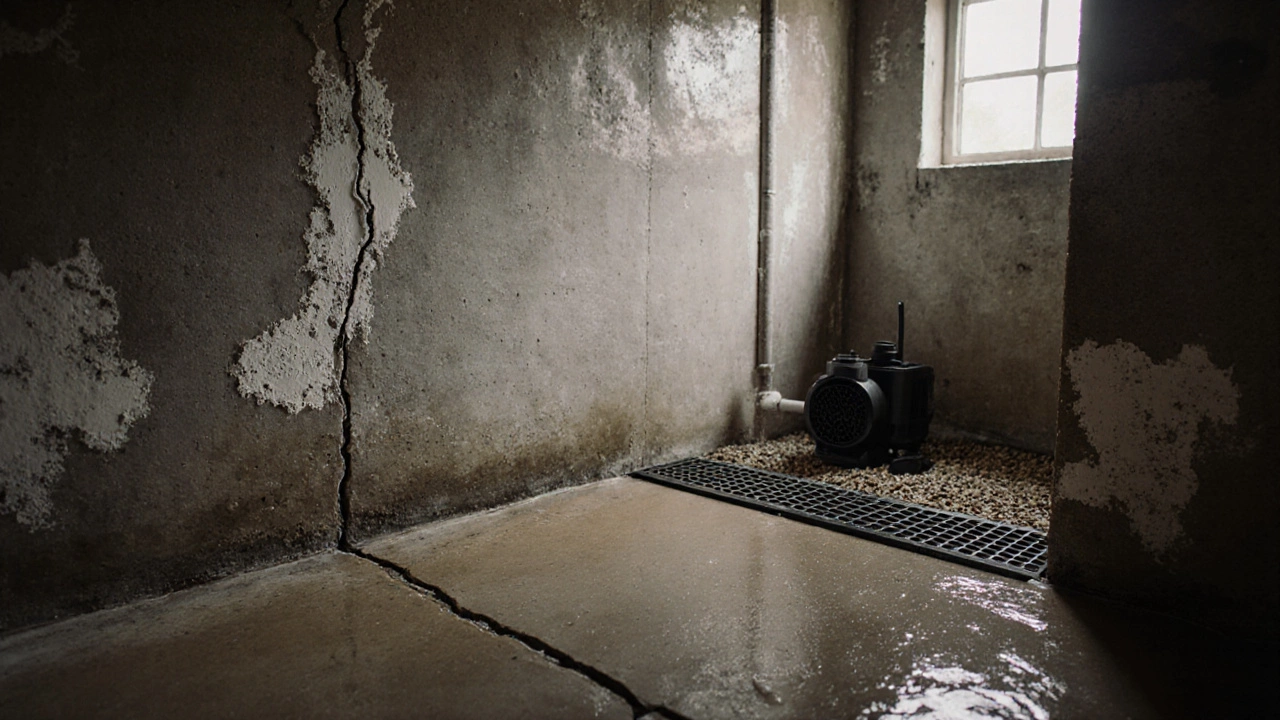
How to Stop Foundation Leaks from the Inside: Practical Fixes for Homeowners
Learn how to stop foundation leaks from the inside with practical, proven methods-without expensive exterior repairs. Fix cracks, install interior drainage, control humidity, and avoid common mistakes.
full article