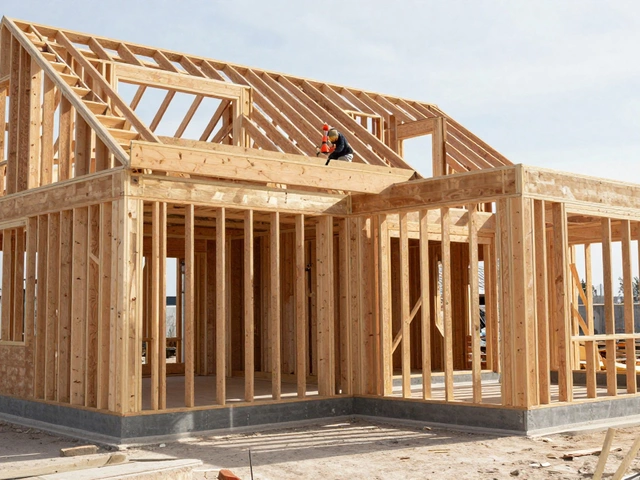
US Construction: Your Quick Guide to Building, Renovating, and Maintaining
When working with US construction, the process of building, renovating, or repairing structures within the United States. Also known as American construction, it involves a mix of regulations, skilled labor, and project management.
Key players include builders, the hands‑on tradespeople who turn drawings into walls, roofs, and finishes and construction companies, the firms that coordinate contracts, permits, and overall project delivery. Both rely on strict building regulations, state and local codes that ensure safety, energy efficiency, and structural integrity. In practice, a builder may be hired directly for a small home remodel, while a construction company usually handles larger, multi‑phase projects that need detailed scheduling and compliance checks.
Why the Difference Between Builder and Construction Company Matters
Understanding the builder vs construction company split saves you time and money. A builder brings craft expertise, manages on‑site crews, and often offers quick quotes for straightforward jobs like bathroom upgrades or roof repairs. Construction companies, on the other hand, provide project management, insurance coverage, and the ability to pull multiple subcontractors for complex jobs such as full home additions or commercial builds. Both must obey the same building regulations, but the company’s broader scope means they also handle permits, inspections, and often warranty claims. When you compare costs, remember that a $30,000 roof isn’t just material – it includes labor rates, permits, and compliance with local codes, all coordinated by the construction firm.
Home renovation is another hot segment of US construction. Whether you’re modernizing an old table, swapping curtain colors, or tackling a bathroom makeover, the same principles apply: assess the scope, check the relevant building codes, and decide if you need a builder’s hands‑on skill or a company’s project oversight. For example, upgrading a tiny bathroom may involve electrical and plumbing work that triggers permits, so a construction company can streamline approvals while a builder executes the finish work. Knowing where each expertise fits helps you avoid costly re‑work, especially when dealing with issues like foundation settlement that can surface years after a build.
Looking ahead, trends like sustainable materials, smart‑home integration, and data‑driven project planning are reshaping US construction. Builders are learning to work with eco‑friendly insulation, while construction firms adopt cloud‑based scheduling to keep projects on track. Whatever your project size, the key is to match the right entity—builder, construction company, or both—to the job’s complexity and regulatory demands. Below you’ll find a curated list of articles that dig deeper into these topics, from cost breakdowns and DIY guides to the latest industry reports.
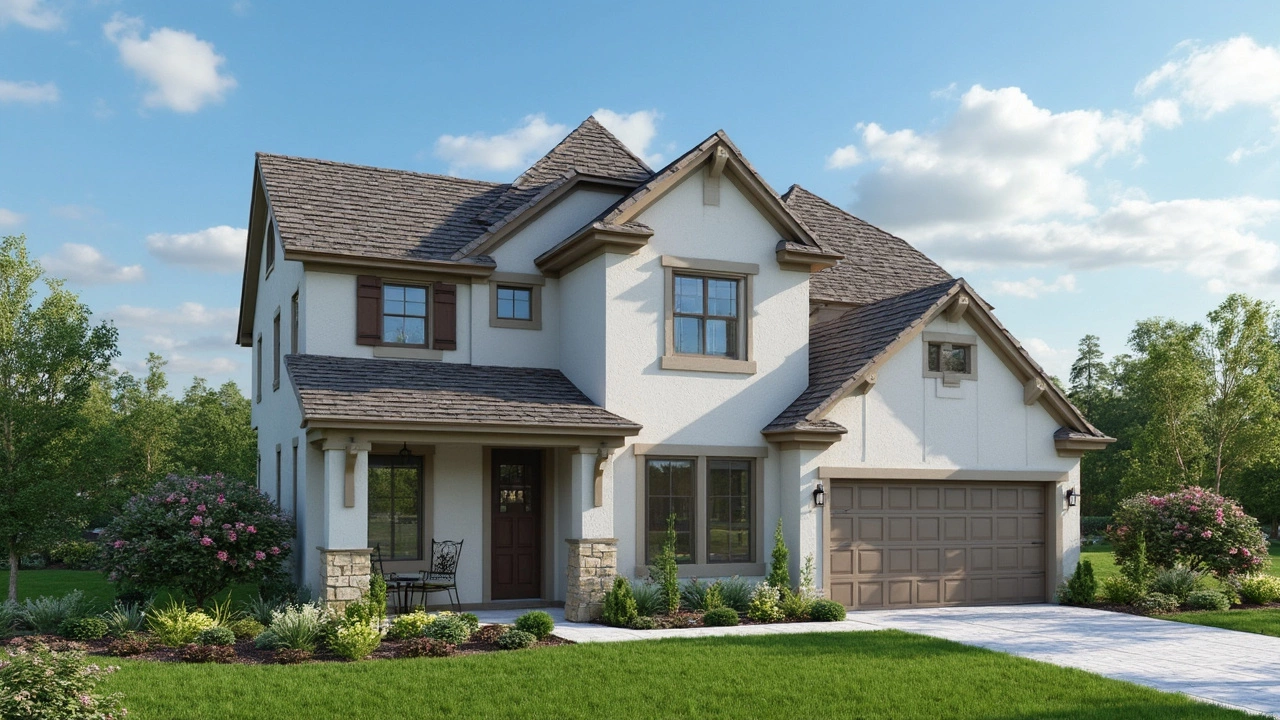
The #1 Home Builder in the US: Dominating the New Builds
Who tops the list as the number one home builder in the US? This informative article sheds light on the leading company dominating the new build market. Learn about what makes this builder stand out, along with practical tips if you're considering a new home.
full article