Update Old House: Practical Tips for Renovating and Restoring Historic Homes
When you update old house, the process of improving, repairing, or modernizing a home built decades ago while preserving its character. Also known as historic home renovation, it’s not just about painting walls or swapping out fixtures—it’s about understanding how these homes were built, what wears out, and how to fix it right. Many people think updating an old house means tearing everything out and starting fresh. But the best results come from knowing what to keep, what to replace, and when to call in a pro.
One of the biggest issues you’ll face is the foundation, the structural base that supports the entire building. Also known as home base, it’s often the source of cracks, leaks, or uneven floors in older homes. A small crack might look harmless, but if it’s horizontal or getting wider, it’s a sign of serious pressure. You’ll find real inspection data in our posts on foundation crack size, the acceptable width and shape of cracks that don’t threaten structural safety and how to tell when it’s time to act. Fixing this right saves you thousands later.
Then there’s the furniture restoration, the careful repair and refinishing of old wooden pieces to bring back their original beauty and function. Old houses came with solid wood tables, dressers, and cabinets—things that last. But moisture, sun, and neglect can turn them into dull, wobbly relics. Our guides show you how to modernize a table without losing its soul, or how to properly cover furniture for storage if you’re moving or renovating. It’s not about buying new—it’s about giving what’s already there a second life.
And don’t forget the hidden stuff: plaster drying times, heating systems that still work, and why you shouldn’t hang art on new walls right away. Older homes settle. They breathe. They react to weather. Rushing the process leads to cracked paint, warped floors, or peeling wallpaper. You need patience. You need to understand the rhythm of the house.
Whether you’re dealing with a 1920s bungalow or a 1970s semi, updating an old house means balancing tradition with practicality. You’ll find real advice here—not theory, not trends, but what works on actual jobs across the UK. From fixing basement leaks without digging up your yard, to choosing flooring that adds real resale value, to knowing when a builder is really a contractor, this collection cuts through the noise. You’ll see what others have done, what went wrong, and how to avoid the same mistakes.
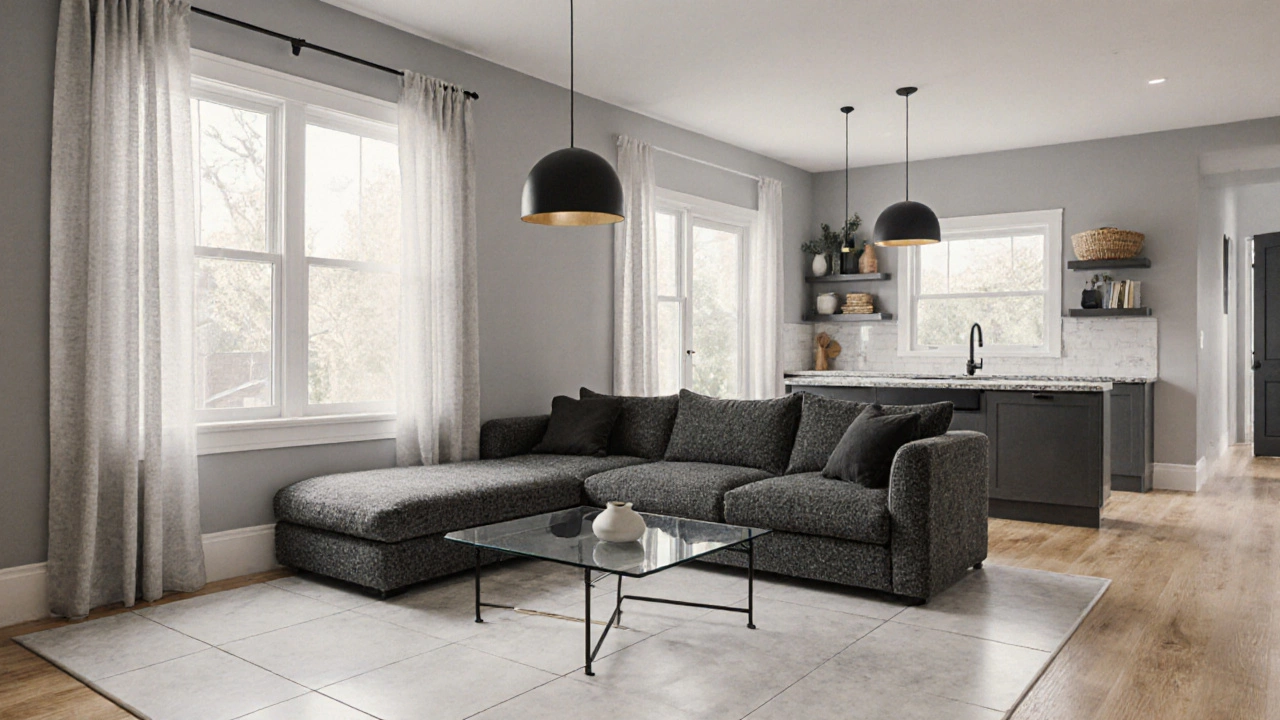
How to Make a Traditional Home Look More Modern: Simple Updates That Work
Learn how to modernize a traditional home without a full renovation. Simple updates like painting walls, updating lighting, and simplifying decor can transform dated spaces into calm, contemporary interiors.
full article