Old homes have character-high ceilings, crown molding, wooden floors, and cozy nooks. But if you’re tired of dark wood trim and closed-off rooms, you don’t need to knock down walls or start from scratch. Making a traditional home look more modern is about editing, not erasing. It’s about keeping what works and changing what feels dated.
Start with color
The biggest shift in modern design? Lighter, cleaner walls. If your home still has warm beige or cream tones from the 90s, it’s time to repaint. Modern interiors lean toward cool neutrals: soft grays, warm whites, and muted taupes. Benjamin Moore’s White Dove or Sherwin-Williams Agreeable Gray are go-tos for a reason-they reflect light, feel calm, and let furniture and art pop.
Don’t be afraid to paint trim and doors the same color as the walls. It blurs the line between surfaces, creating a seamless, airy feel. You’ll lose the heavy, boxed-in look of dark wood baseboards and door frames. Instead, everything flows together. This trick alone can make a 1920s bungalow feel like a 2025 minimalist loft.
Replace heavy lighting with clean fixtures
Chandeliers with crystal drops and brass sconces with ornate details? They’re charming, but they weigh down a modern space. Swap them out for simple, geometric fixtures. A single round pendant over the dining table, recessed LED lights in the ceiling, or slim linear lights in the kitchen can transform the whole vibe.
Look for fixtures in matte black, brushed nickel, or polished chrome. Avoid anything with too many curves or embellishments. Even a $150 LED flush mount from a brand like Hudson Valley can make your foyer feel like it belongs in a design magazine. And don’t forget to turn off the warm yellow bulbs. Go for 2700K to 3000K-soft white, not yellow. It’s less tired, more crisp.
Open up the floor plan
Many traditional homes were built with small, separated rooms: kitchen, dining room, living room, maybe even a sunroom. Modern living is about flow. You don’t need to rip out load-bearing walls to do this. Start by removing non-structural partitions-like the wall between the kitchen and breakfast nook.
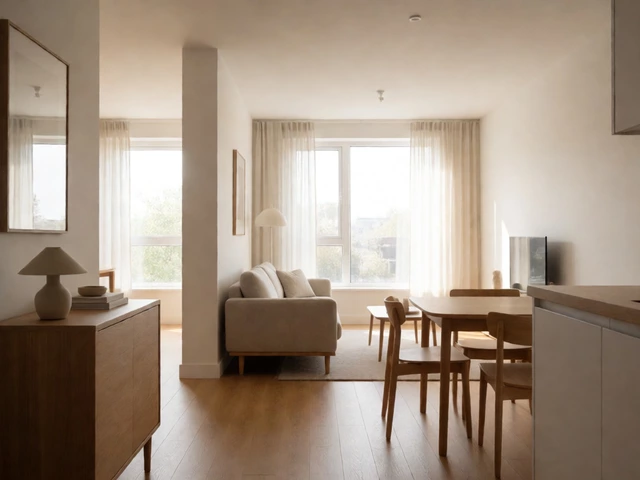
If you can’t do a full renovation, fake openness with design. Use the same flooring material from room to room. Lay down large-format porcelain tiles (think 24x48 inches) instead of small square tiles. Keep the color neutral. This visually connects spaces. Also, avoid heavy drapes. Sheer linen curtains or simple roller shades let light in and make rooms feel bigger.
Update kitchen and bathroom fixtures
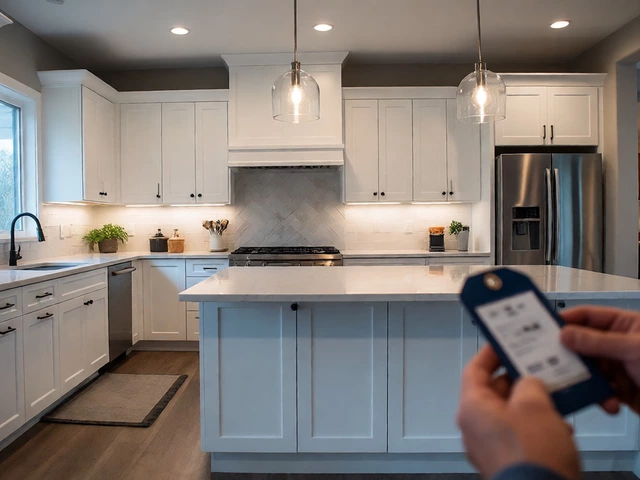
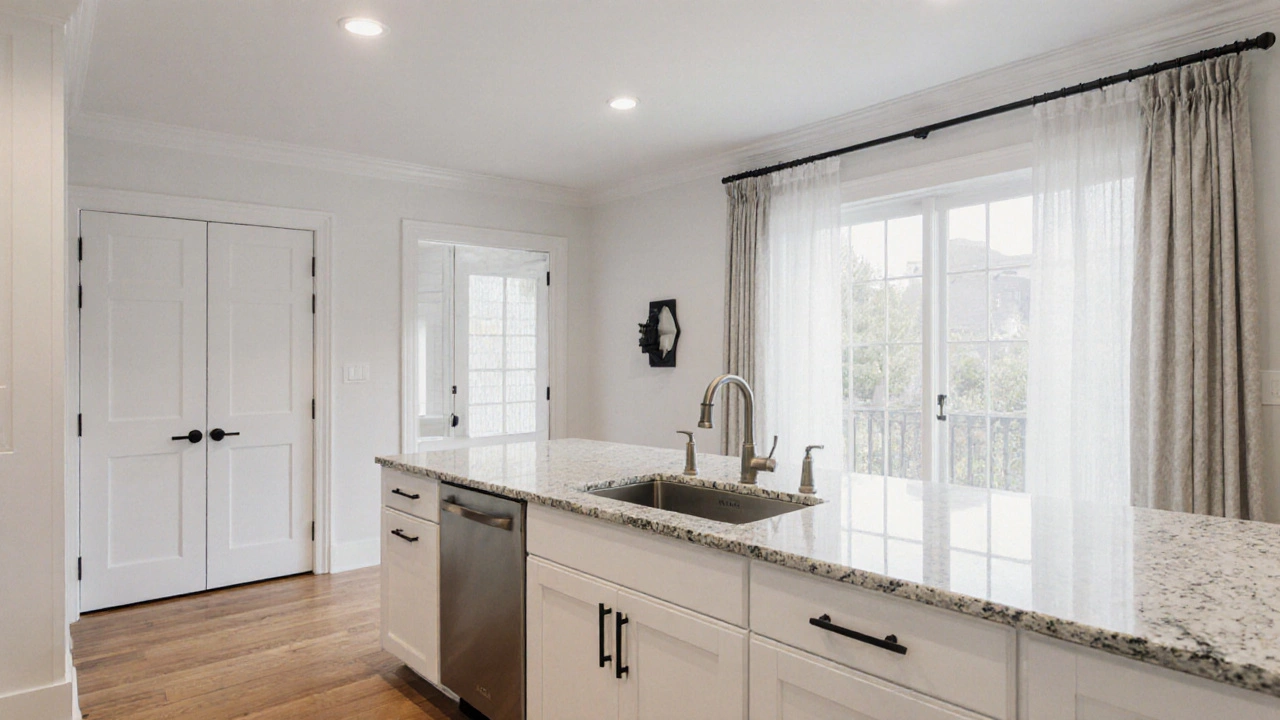
These two rooms age the fastest. If your kitchen still has brass faucets, laminate countertops, or cabinet doors with raised panels, it’s time for an upgrade. You don’t need a full remodel. Just swap out the hardware: replace old knobs and pulls with slim, bar-style handles in matte black or satin brass.
Replace the sink with a single-bowl undermount model. It’s sleeker and easier to clean. If your countertops are chipped or yellowed, consider quartz. It looks like stone but comes in uniform slabs with clean edges. No seams, no maintenance. For bathrooms, swap out the oval vanity mirror for a frameless rectangular one. Install a wall-mounted faucet. These are small changes, but they signal modernity instantly.
Minimize clutter and simplify decor
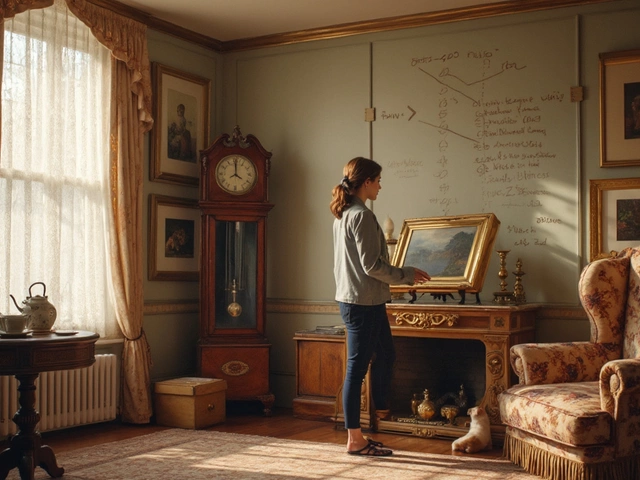
Traditional homes often fill every surface with knick-knacks: porcelain figurines, lace doilies, stacked books, framed family photos on every wall. Modern design thrives on breathing room. Take a hard look at your shelves, side tables, and mantel. Keep only what you love-and remove the rest.
Group items in threes. Use a few large pieces instead of many small ones. A single abstract painting on a blank wall says more than five tiny framed prints. Choose decor with clean lines: ceramic vases, sculptural lamps, woven baskets. Avoid cluttered patterns. Solid colors and subtle textures (like linen, wool, or raw wood) create calm.
Also, hide the tech. TV cords, speaker wires, and charging stations shouldn’t be visible. Use cable management boxes, in-wall outlets, or furniture with hidden compartments. A modern home looks tidy because it’s organized, not because it’s empty.
Swap out furniture for streamlined silhouettes
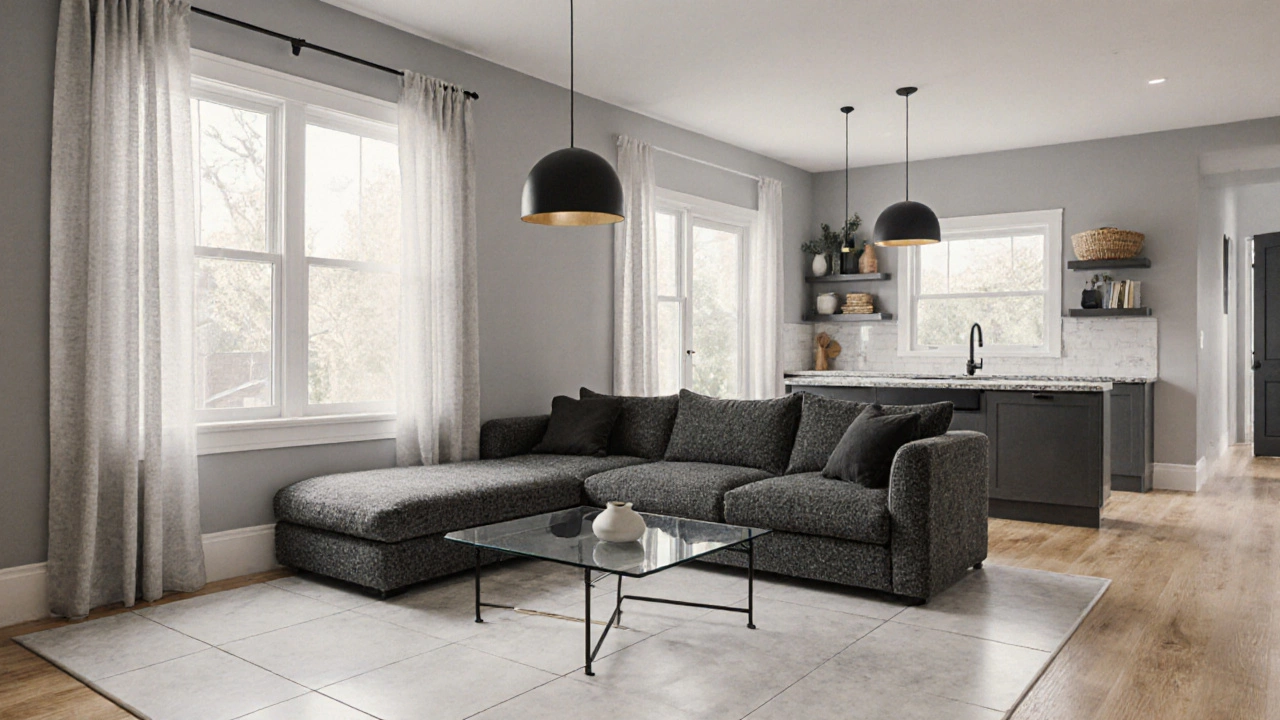
You don’t have to throw out your entire living room. But if your sofa has rolled arms, nailhead trim, and floral upholstery, it’s pulling the whole space back in time. Look for pieces with low profiles, exposed legs, and simple shapes. A sectional with clean lines and a neutral fabric-like charcoal bouclé or slate gray linen-will anchor the room without overwhelming it.
Replace heavy wooden coffee tables with glass, metal, or stone ones. Try a low, rectangular table with a single leg or two slim legs. Avoid anything with carved details. Even your side tables should feel light. A round acrylic side table next to your armchair? That’s modern.
And if you’re keeping your traditional dining table, pair it with modern chairs. Mix a classic wood table with four upholstered dining chairs in a solid color. The contrast works. It’s not about matching-it’s about balance.
Let in natural light
Modern design is built on light. If your windows are small or covered with heavy drapes, you’re fighting the design. Start by removing layers. Take down the sheers, the valances, the curtains. Just leave a simple, floor-to-ceiling panel in a light fabric.
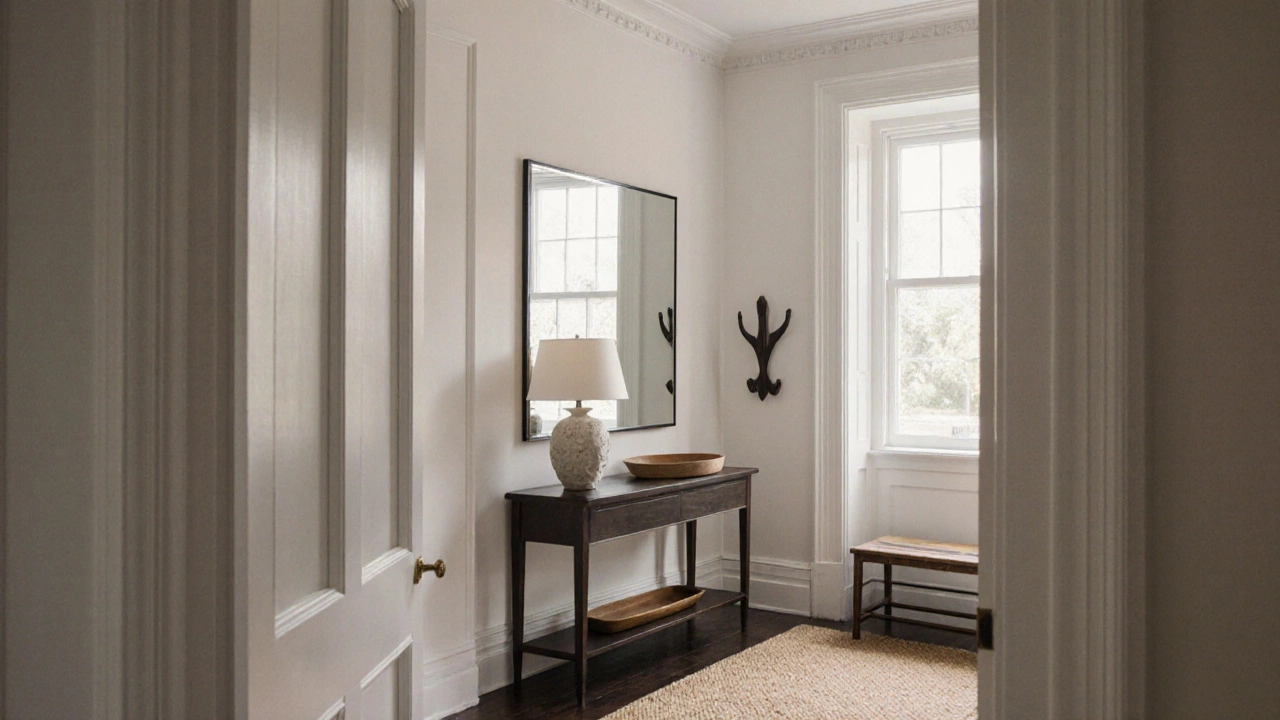
Install mirrors strategically. Place one opposite a window to bounce light deeper into the room. A large mirror above a console table in the entryway makes the space feel twice as big. Even a simple mirrored backsplash behind your kitchen sink adds brightness without a full renovation.
If you can, replace single-pane windows with double-glazed ones. They’re more energy efficient and let in more light without the glare. And if your home has a porch or sunroom, consider removing the glass panels and replacing them with sliding glass doors. That’s a game-changer for connecting indoors and out.
Use natural materials with texture
Modern doesn’t mean cold. It means honest. Raw wood, stone, concrete, linen, wool-these materials bring warmth without fuss. A reclaimed oak floor, a stone fireplace surround, or a jute rug under the dining table grounds the space.
Look for finishes that show their natural texture: hand-thrown pottery, unfinished wood, hammered metal. Avoid glossy finishes and plastic-looking laminates. Even a simple ceramic lamp with a rough glaze feels more modern than a shiny, mass-produced one.
One trick: layer textures. A wool throw on a linen sofa. A wooden tray on a marble side table. A woven basket next to a metal floor lamp. The mix feels intentional, not cluttered.
Keep the soul, lose the clutter
You don’t have to erase your home’s history to make it feel modern. A 1910s house with original hardwood floors and pocket doors? Keep them. Those details are part of what makes your home unique. Modern design isn’t about removing character-it’s about removing distraction.
Focus on the big shifts: lighter walls, cleaner lines, better lighting, less stuff. Then, let the old bones shine through. The result? A home that feels timeless-not trendy. One that honors its past but lives in the present.