Upcycle Furniture: Turn Old Pieces into Fresh Finds
When working with upcycle furniture, the practice of giving discarded or dated pieces a new purpose through creative refurbishment. Also known as furniture repurposing, it blends design imagination with sustainability. This approach sits at the crossroads of furniture restoration, repairing structural damage and refreshing finishes on existing pieces and DIY furniture projects, hands‑on builds that let you customize shape, function, and style. Both rely heavily on repurposed materials, salvaged wood, metal, glass, or upholstery that would otherwise be waste, and they feed into a broader sustainable design, a philosophy that prioritizes resource efficiency and reduced environmental impact. In short, upcycle furniture encompasses DIY projects, requires repurposed materials, and is driven by sustainable design values.
Why Upcycling Matters in Today’s Home
First off, the cost savings are immediate. A solid oak table that’s seen better days can become a stunning dining centerpiece for a fraction of the price of a brand‑new piece. The typical attribute list includes: durability (old‑school joinery tends to outlast cheap particle board), character (patina and wear tell a story), and customizability (you choose stain, paint, hardware). The value‑add isn’t just monetary – it’s emotional, too. When you sand down a battered dresser and replace the knobs with vintage pulls, you’ve created a conversation starter that reflects personal taste.
From a practical standpoint, the process starts with an honest assessment. Ask yourself: does the frame hold up? Are the legs stable? Once the structural check passes, the next step is surface preparation – stripping old finishes, sanding to smoothness, and repairing any cracks with wood filler. The choice of finish – water‑based poly, matte chalk paint, or a natural oil – determines the final look and durability. For example, a DIY project that repurposes a wooden pallet into a coffee table often uses a clear epoxy resin top to protect the surface while showcasing the raw wood grain.
Tools matter, too. A basic kit includes a sander, orbital drill, clamps, and a set of sandpaper grits. More advanced upcyclers invest in a router for decorative edge profiles or a pneumatic nail gun for quick assembly. Materials like reclaimed brick, reclaimed metal pipe, or even old window frames can become striking legs or supports, adding industrial flair without buying new. Pairing reclaimed timber with sustainable design principles ensures that each project reduces landfill waste and lowers the carbon footprint associated with new manufacturing.
Another benefit is flexibility in interior décor trends. Because upcycled pieces are unique, they can bridge the gap between modern minimalism and vintage charm. A reclaimed chest turned sideboard can complement a sleek kitchen island, while a refurbished rocking chair adds a cozy touch to a contemporary living room. This versatility is why many interior designers recommend upcycling as a way to personalize spaces without breaking the bank.
Beyond the home, upcycle furniture also supports local economies. Sourcing salvaged wood from nearby demolition sites or partnering with thrift stores creates circular economies and keeps skilled craftsmen busy. Many community workshops now offer classes that teach these skills, turning hobbyists into competent renovators. Ultimately, the act of upcycling empowers you to make choices that protect the planet, honor craftsmanship, and reflect your style.
Below you’ll find a curated collection of articles that dive deeper into each of these angles – from space‑saving storage hacks to color trends that pair perfectly with reclaimed pieces. Whether you’re a seasoned renovator or just curious about where to start, the posts ahead will give you concrete tips, step‑by‑step guides, and inspiration to turn any tired furniture into a fresh focal point.
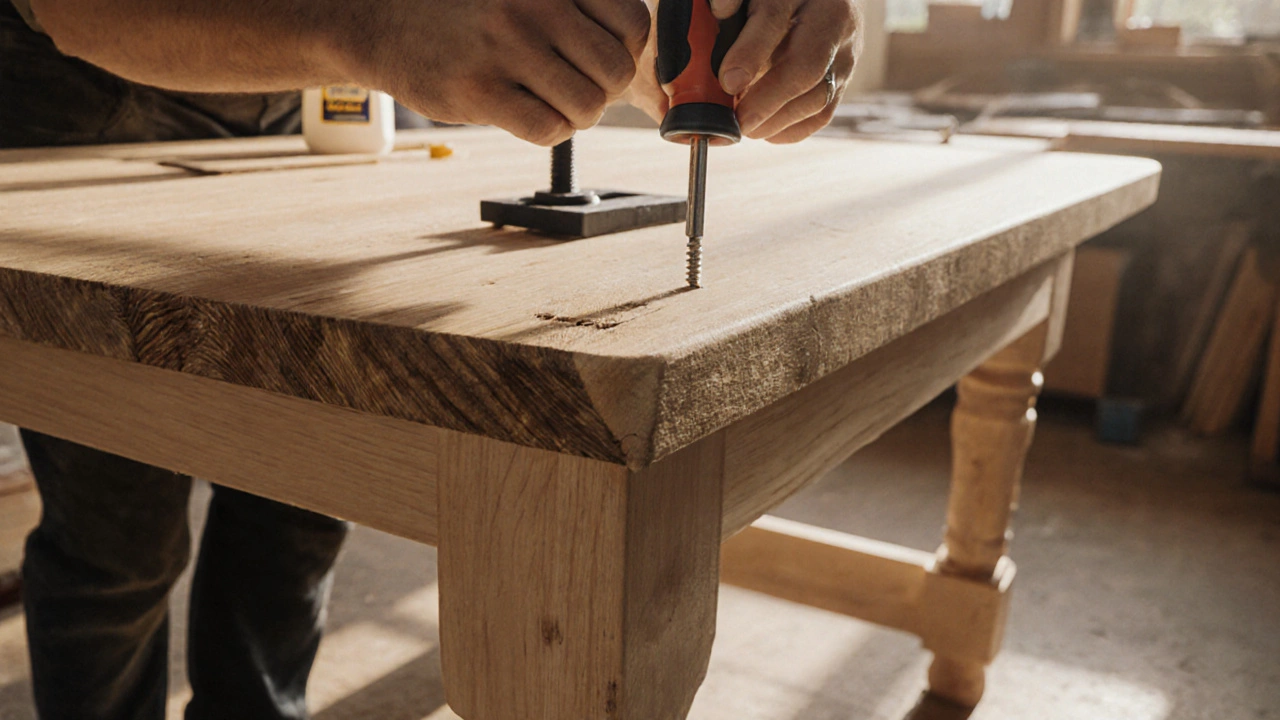
How to Modernize an Old Table: A DIY Guide to Fresh Looks
Learn how to transform an old table into a modern centerpiece with step-by-step DIY tips, finish options, hardware upgrades, budget advice, and maintenance tricks.
full article