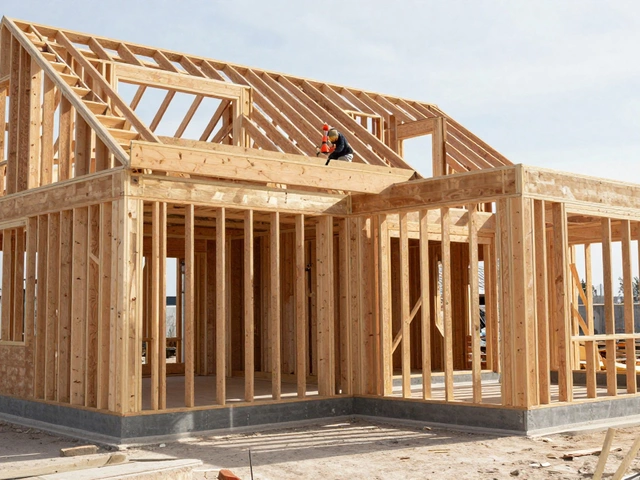
Type 5 Construction
When dealing with Type 5 construction, a specialized category of building projects that focus on high‑rise, complex, or heavily regulated structures. Also known as advanced construction, it requires precise planning, strict compliance, and skilled execution. This tag groups articles that break down the toughest parts of the trade, from legal responsibilities to clever design hacks. Below you’ll find resources that help you understand why Type 5 construction matters for homeowners, contractors, and property managers alike.
Key Players: Builders and Construction Companies
A successful Type 5 project starts with the right builder, the craftsperson who turns plans into walls, floors and roofs. Builders bring hands‑on know‑how, safety awareness, and the ability to adapt on site. But they rarely work alone; they partner with a construction company, the organization that manages financing, procurement, and large‑scale coordination. The synergy between these two entities creates the backbone of any Type 5 venture. When you read the articles below, you’ll see how each role shapes project timelines, budget control, and quality outcomes.
Beyond the core team, specific tasks like roof replacement, upgrading or installing a new roof on a high‑rise or complex building can become pivotal. Roof work on a Type 5 site often involves specialized materials, access equipment, and weather‑proofing strategies that differ from standard housing projects. Understanding the cost drivers—material grades, labor hours, and safety measures—helps you anticipate the financial impact early on.
Even after a project is finished, house settlement, the gradual movement of a building’s foundation over time can affect structural integrity. In Type 5 construction, settlement monitoring is critical because small shifts can exacerbate stress points in tall frames or intricate designs. Regular inspections, soil analysis, and proper foundation engineering are essential to prevent costly repairs later.
All these elements—builders, construction companies, roof replacement, and settlement monitoring—interact to define the success of a Type 5 project. The articles in this collection dive into each facet, offering step‑by‑step guides, cost breakdowns, and real‑world case studies. Whether you’re a DIY homeowner tackling a modest renovation or a contractor planning a multi‑storey build, the insights here will sharpen your strategy.
Ready to explore the details? Scroll down to discover practical advice on choosing the right builder, budgeting roof work, spotting settlement signs, and many other topics that keep Type 5 construction on track and within budget.

Understanding Type 5 Construction in Commercial Buildings
Type 5 construction, commonly known as wood-frame construction, is frequently utilized in creating various commercial structures. This construction type is favored for its cost-effectiveness and versatility, accommodating a range of designs and layouts. However, its use comes with particular fire risk considerations, necessitating specific safety measures. Understanding the benefits and limitations of Type 5 construction can lead to more informed decisions in commercial building projects.
full article