TV Stand Size: Find the Perfect Fit for Your Living Room
When planning a TV stand size, the exact width, height, and depth needed to hold your screen and blend with the room. Also known as TV cabinet dimensions, it directly impacts living room storage, the way you organize books, consoles, and décor around your entertainment hub. Good furniture dimensions, standard measurements used for sofas, sideboards, and shelving units help you avoid cramped spaces and keep traffic flow smooth. In short, choosing the right size is the first step to a balanced, functional room.
Why Accurate Measurements Matter
Every piece of living‑room furniture follows a simple rule: the sum of its parts must fit the space without blocking walkways. If you know the TV stand size you can calculate the remaining floor area for a sideboard, coffee table, or extra seating. A common mistake is ignoring the TV’s bezel and stand clearance, which can add several inches to the needed width. By measuring from wall to wall and noting ceiling height, you’ll see how the TV stand aligns with other items like the sideboard, which typically ranges from 30‑48 inches tall. This alignment ensures that the visual line stays level and that you don’t end up with a towering cabinet that overwhelms the room.
Another key factor is ergonomics. The stand’s height should let your eyes rest comfortably when you’re seated; most experts recommend the screen’s center be about 42‑48 inches from the floor. That height often matches the average coffee table’s top, creating a harmonious stack of surfaces. When the TV stand’s dimensions sync with the coffee table and sideboard, you get a cohesive look that feels intentional rather than cobbled together.
Storage needs also dictate size. If you own multiple gaming consoles, a sound bar, and a media library, you’ll need deeper shelves—usually 18‑20 inches—to hide cables and keep accessories out of sight. Shallow stands look sleek but can force you to pile gear on top, leading to clutter. By mapping out your gear first, you can pick a stand with the right depth, then match it with a sideboard that offers additional drawers or cabinets for long‑term storage.
Finally, style plays a role. Modern minimalism favors low‑profile stands that sit close to the floor, while traditional rooms may benefit from a taller, more imposing piece that echoes classic woodwork. Understanding how TV stand size, furniture dimensions, and living‑room storage intersect lets you choose a design that feels both practical and stylish.
Below you’ll find a curated set of articles that walk through measuring, planning, and styling your entertainment area. From DIY makeovers to storage hacks, these guides give you the tools to size every piece perfectly and turn your living room into a functional showcase.
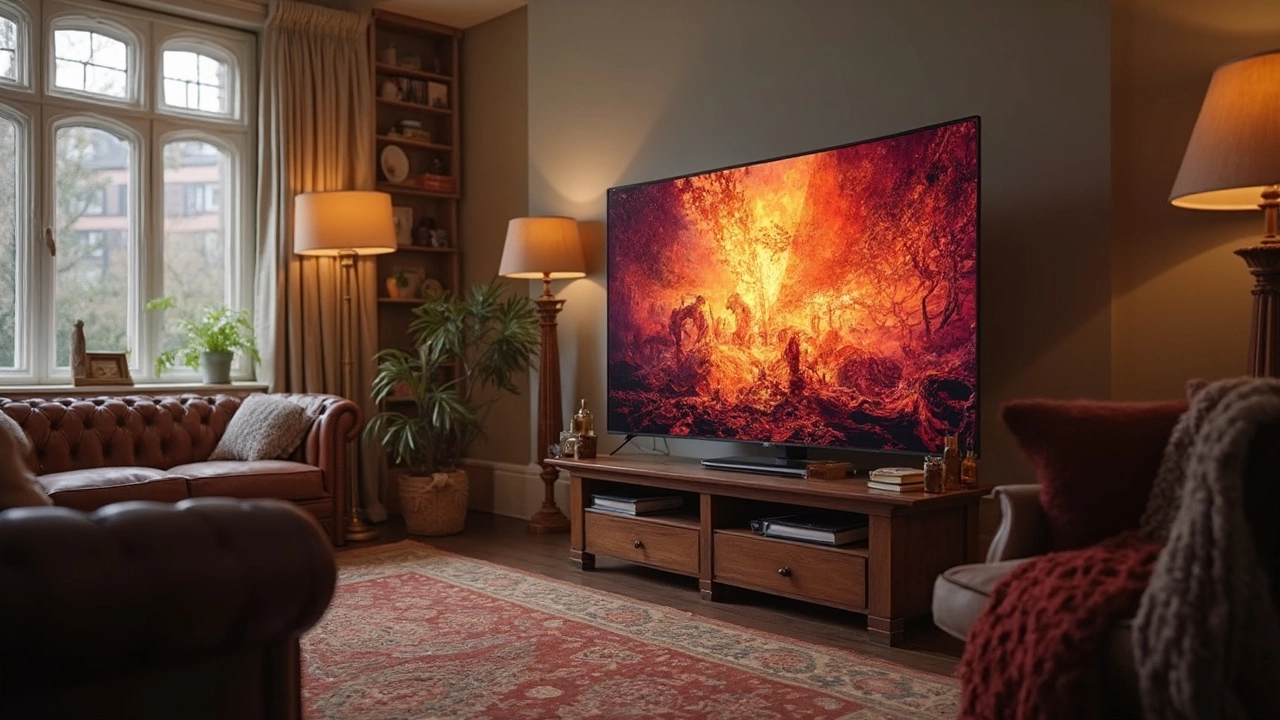
How Much Bigger Is a 65-Inch TV Than a 60-Inch TV?
When choosing a TV, a seemingly small difference in screen size can actually impact your viewing experience quite a bit. A 65-inch TV might not seem significantly larger than a 60-inch model at first, but the additional screen real estate can enhance your entertainment setup. Understanding these differences is crucial, especially when considering TV stands and room arrangements in your home.
full article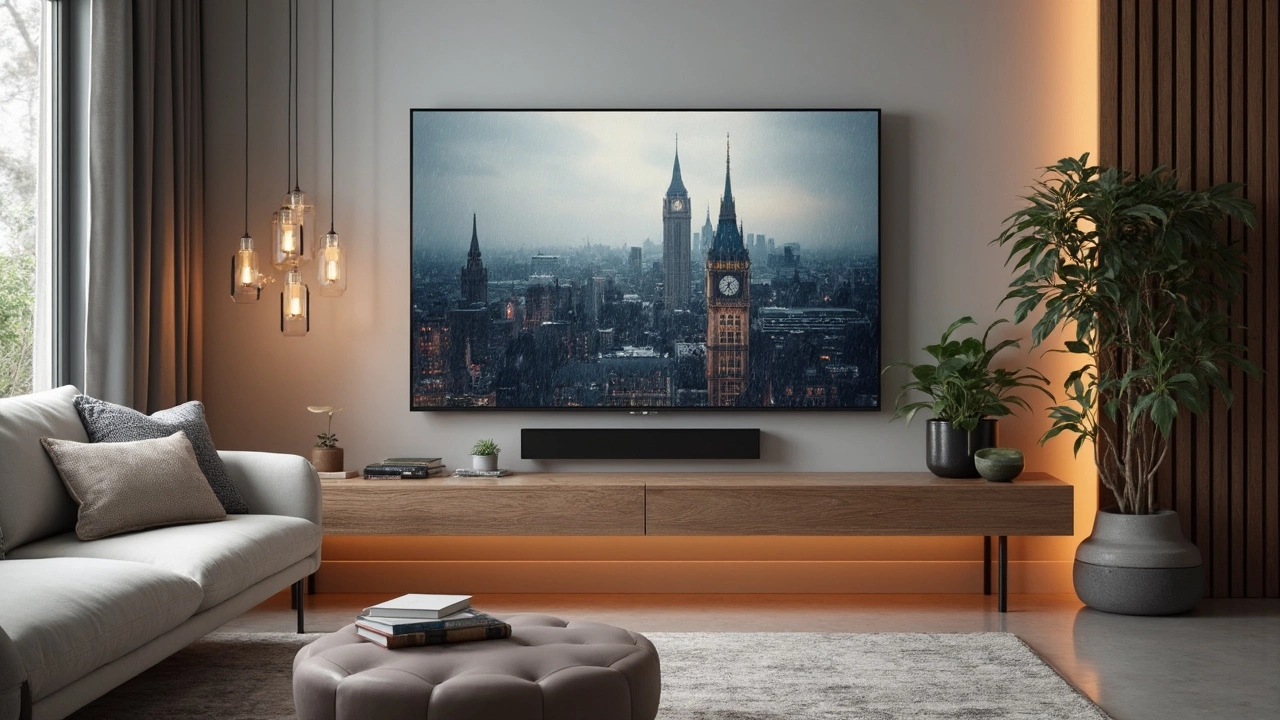
How Big Does a TV Stand Need to Be for a 65-Inch TV?
Choosing the right TV stand for a 65-inch TV involves more than just looks. It's about measurements, room layout, and a bit of safety know-how. Find out how your TV stand’s width, height, and depth play a crucial role. Discover tips for optimizing space while ensuring your living room remains a stylish and safe haven.
full article