TV Safety: Keep Your Screens Secure and Your Family Protected
When it comes to TV safety, the practice of installing and using televisions so they don’t cause injury or property damage. Also known as television safety, it involves a mix of proper hardware, careful wiring, and smart placement. TV safety isn’t just a checklist—it’s a habit that starts before you even lift the screen onto the wall.
Key Elements That Make TV Safety Work
First, choose the right TV mounting brackets, strong metal supports rated for your TV’s size and weight. A good bracket distributes load across multiple points, reducing stress on the screen and wall. Pair that with reliable power cords, high‑quality, properly rated cables that resist overheating. Using cheap or damaged cords is a fast track to fire risk. Next, think about who shares the space. Child safety locks, simple plastic or metal devices that prevent kids from pulling cords or tampering with the TV can stop an accidental fall or electric shock. Finally, locate the TV on solid wall studs, the structural framing behind drywall that provides a secure anchor point. Mounting directly into drywall alone often leads to wobble or collapse over time. These four pieces—brackets, cords, locks, and studs—form a safety chain: a sturdy bracket encompasses the TV, a quality cord requires proper insulation, child locks influence overall safety, and wall studs enable a firm attachment. Together they keep the TV from becoming a hazard.
Beyond hardware, habits matter. Always double‑check that the bracket’s screws are tightened to the manufacturer’s torque specs, and run a quick visual inspection of cords each season. If you hear a frayed sound or see discoloration, replace the cord immediately. For families with young children, place the TV at least a foot above eye level and keep furniture clear of the base to reduce leverage points that kids could use to tip it over.
Installing a TV safely also means considering the room’s layout. In high‑traffic areas, angle the screen away from walkways, and use cable covers to keep cords out of the way. If you’re using a TV stand, make sure it’s level, the weight capacity exceeds your TV’s, and the stand is anchored if possible. For wall‑mounted units, a stud finder can save you from guessing, and a level guarantees an even picture—plus a level TV is less likely to attract stress cracks. Now that you know the core components of TV safety, you’ll be ready to evaluate any setup you encounter. Below you’ll find a curated set of guides that dive deeper into each of these areas—whether you’re mounting a brand‑new screen, upgrading old cords, or adding child‑proof locks for peace of mind. Keep reading to turn this knowledge into action and make every viewing experience safe and enjoyable.
TV Stand Setup: How Should a TV Sit on a TV Stand?
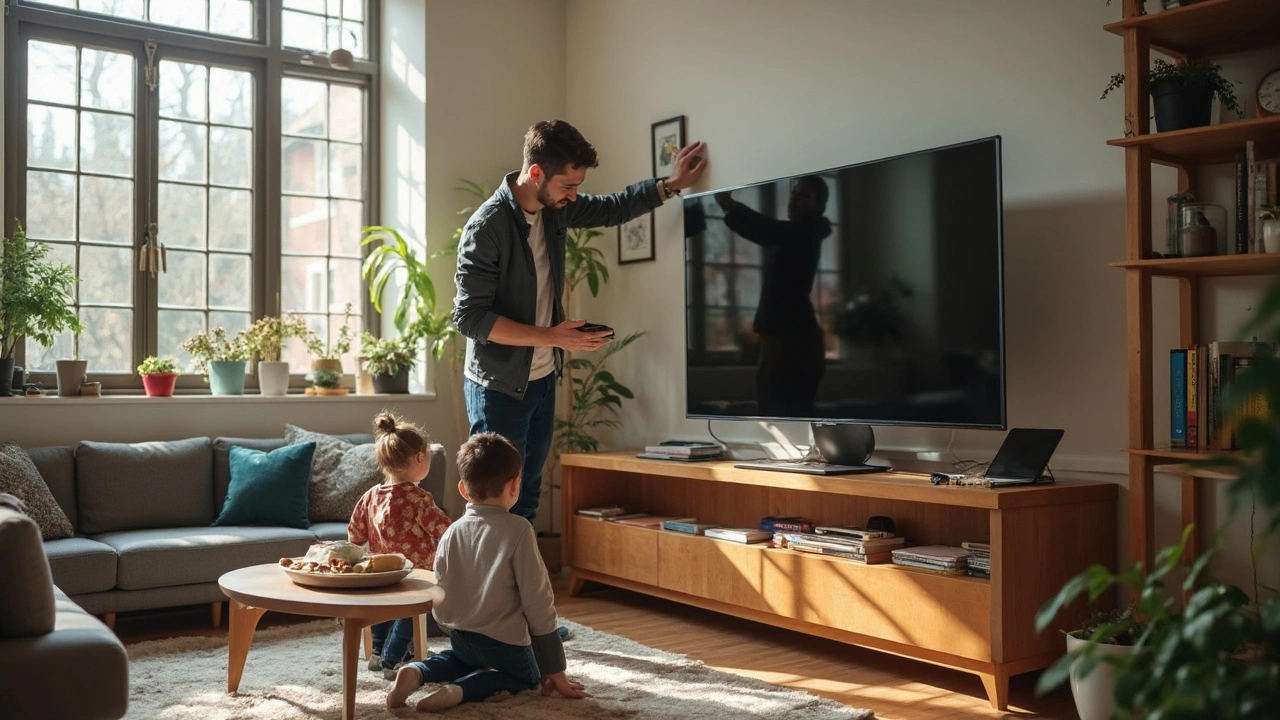
Ever wondered how to set your TV on a stand without messing up your room's vibe or risking a tip-over? This article digs into the best way to place your TV on a stand, what height actually works for real movie nights, and how to keep everything stable. You’ll find honest tips, smart space tricks, and a few facts you probably hadn’t considered. It’s not just about balancing your screen—it’s about making the whole setup work for your everyday life. Get ready to rethink your living room.
full article