TV Legs Alternatives: Find the Right Support for Your Screen
When you start thinking about TV legs, the small supports that sit under a television to keep it raised off the floor. Also known as stand legs, they are the default way most sets sit in a living room. But they’re not the only option. TV legs alternatives let you match your viewing area to the room’s layout, style, and practical needs.
Why Look Beyond the Basics?
If you’ve ever cramped a couch around a bulky TV stand, you know the limits of standard legs. Choosing an alternative isn’t just about looks – it’s about stability, cable management, and ergonomics. For example, a wall mount, a bracket that secures the TV directly to the wall eliminates floor space altogether and makes cleaning a breeze. That simple change can free up room for a larger sofa or a more open floor plan. Wall mounts also allow you to tilt or swivel, which is handy for glare control in sun‑lit spaces.
A media console, a low‑profile piece of furniture that holds the TV and extra storage offers a different set of perks. It gives you surface area for decorative items, a place for game consoles, and hidden compartments to hide cables. A well‑chosen console can turn a tech‑heavy setup into a focal point of interior design, especially when the wood grain or finish matches other furniture. Plus, the extra storage means you won’t need separate shelving units, keeping the room tidy.
For those who need flexibility, an adjustable TV riser, a portable platform that can be raised or lowered to suit eye level does the trick. Risers are great in multipurpose rooms where the TV might be moved between a bedroom, office, or family room. They’re also useful for renters who can’t drill into walls; the riser sits on the floor and can be taken with you when you move. Because the height is adjustable, you can fine‑tune ergonomics without buying a new TV stand each time.
Beyond the three main alternatives, other options like floor‑standing TV arms or ceiling‑mounted booms exist, but they often require professional installation. When weighing choices, keep these factors in mind: the TV’s weight and size, wall material (drywall vs brick), room traffic flow, and how you run power and HDMI cables. A heavy 75‑inch set needs a robust wall mount with studs, while a lightweight 43‑inch may get away with a simple bracket. Cable management solutions—like in‑wall channels or behind‑the‑console raceways—can keep cords out of sight, no matter which support you pick.
By understanding the trade‑offs, you can pick an alternative that meets both functional and aesthetic goals. Below you’ll find a curated set of articles that walk you through DIY upgrades, budgeting tips, and style ideas. Whether you’re a first‑time homeowner, a renter looking for a non‑permanent fix, or a design enthusiast wanting a sleek look, the posts ahead give you practical steps to upgrade your TV setup without a full remodel.
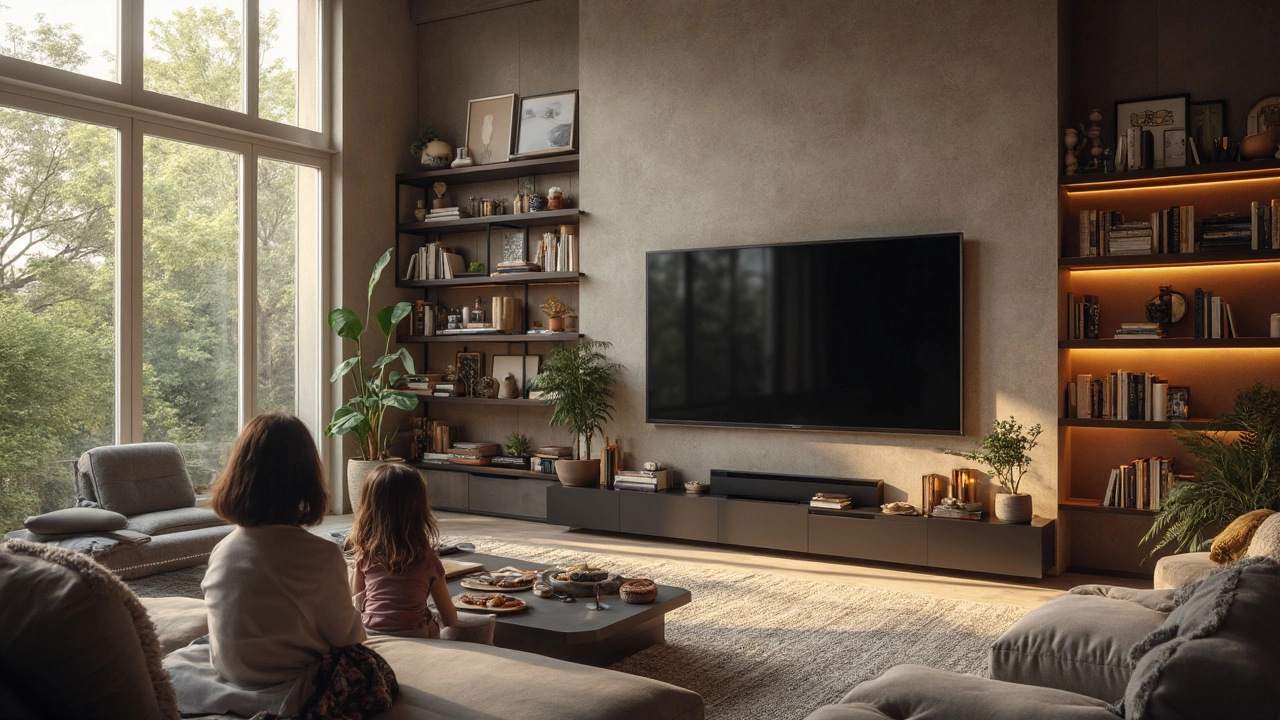
TV Legs Alternatives: Smart Options for Modern Living Rooms
Not a fan of the basic TV legs that come in the box? You’re not alone—millions swap them out every year for something sturdier, safer, or just better looking. This article runs through top alternatives that keep your screen steady while giving your space a major style boost. We’ll hit on wall mounts, full stands, unique furniture setups, and some quick tips for getting the best fit. Get the lowdown before you hit ‘add to cart’ for your next TV upgrade.
full article