TV Furniture: Choosing the Right Piece for Every Space
When planning your living area, TV furniture, the furniture built to hold and showcase a television and related media devices. Also known as TV stand, it serves both functional and decorative roles in modern homes. Media console, a low, open‑shelf unit designed for easy access to gaming consoles, soundbars and décor and Entertainment center, a larger, multi‑section piece that can house a TV, storage cabinets, and sometimes a fireplace are the most common sub‑types. Wall‑mounted TV unit, a floating shelf or bracket that frees floor space rounds out the core options. Understanding the differences helps you match the right piece to your room’s layout, style, and tech needs.
Key factors that shape your TV furniture decision
First, space constraints dictate the shape of the solution. A compact studio may benefit from a wall‑mounted unit, which enables a clean, minimalist look while freeing floor space. Larger families often prefer an entertainment center because it influences living‑room layout by providing ample storage for DVDs, games and even hidden wiring. Second, cable management matters – a good TV furniture choice requires thoughtful planning for power cords and HDMI cables to keep everything tidy. Third, aesthetics matter: a sleek media console in a mid‑century modern home can become a focal point, while a traditional TV stand blends with classic décor.
Material choice also plays a role. Solid wood media consoles add warmth and durability, whereas glass‑front entertainment centers create a light, airy feel. If you have kids, a sturdy metal TV stand with rounded edges can stand up to bumps. For tech‑savvy users, look for furniture that includes built‑in cable channels, USB ports, and ventilation to keep devices cool.
Budget is another practical element. You can refurbish an old TV stand with a fresh coat of paint and new hardware for a fraction of the cost of a brand‑new entertainment center. Conversely, high‑end wall‑mounted units often come with integrated LED lighting and motorized lifts, which raise the price but add a wow factor. Compare price‑per‑square‑foot and consider long‑term value – a well‑built piece can last decades, reducing the need for replacement.
Finally, think about future upgrades. If you plan to add a sound system or a larger screen, choose a modular media console or an entertainment center with adjustable shelves. Flexibility ensures your TV furniture adapts as tech evolves, saving you time and money down the road.
Below you’ll find a curated collection of articles that dive deeper into each of these topics – from DIY makeover tips for old tables that can become stylish TV consoles, to the best times to shop for furniture sales, to practical guides on preventing mold in stored sofas. Use these resources to fine‑tune your choice and create a living space that looks great and works perfectly for your entertainment needs.
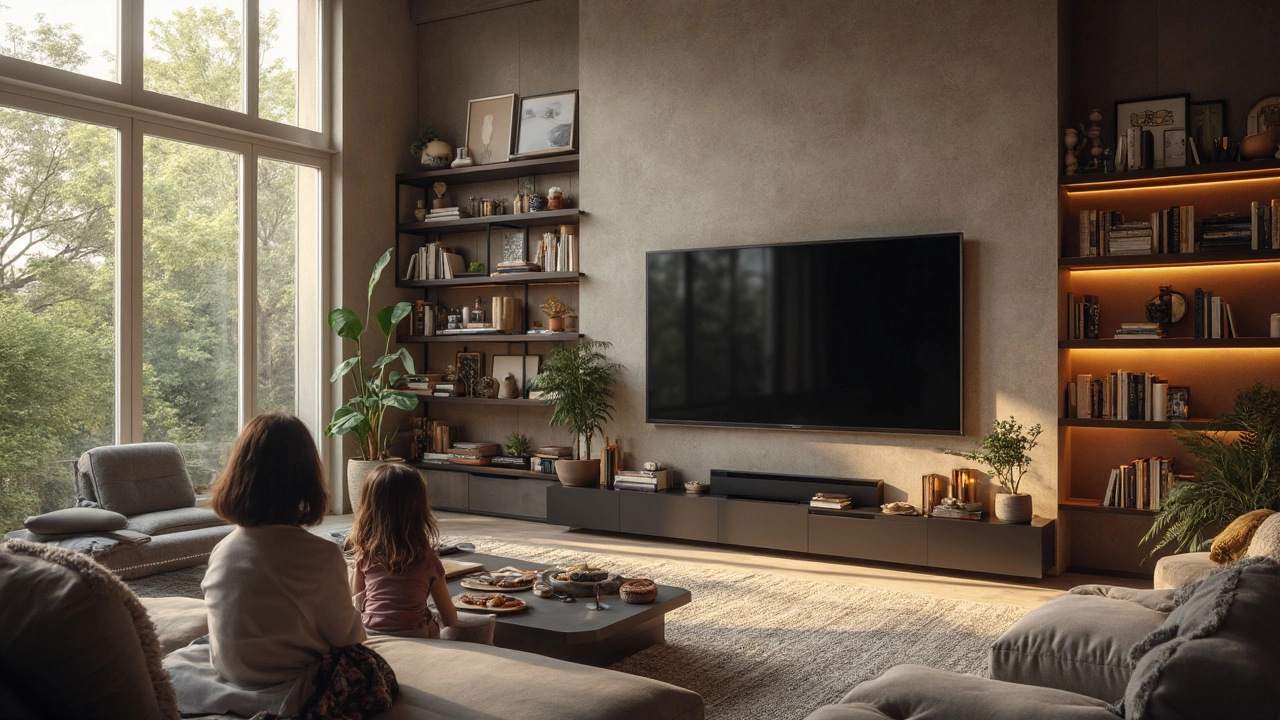
TV Legs Alternatives: Smart Options for Modern Living Rooms
Not a fan of the basic TV legs that come in the box? You’re not alone—millions swap them out every year for something sturdier, safer, or just better looking. This article runs through top alternatives that keep your screen steady while giving your space a major style boost. We’ll hit on wall mounts, full stands, unique furniture setups, and some quick tips for getting the best fit. Get the lowdown before you hit ‘add to cart’ for your next TV upgrade.
full article