TV Dimensions: How to Choose the Right Size, Aspect Ratio and Placement
When working with TV dimensions, the width, height and depth measurements that define a television. Also known as screen size specs, it guides you to a TV that fits your space and viewing habits. A closely linked idea is Screen size, the diagonal length of the display measured in inches, which tells you how big the picture will appear from a given distance. Another essential factor is Aspect ratio, the proportion between a TV's width and height, typically 16:9 for modern screens. Together, these three entities shape the viewing experience: TV dimensions influence room layout, screen size determines how immersive the content feels, and aspect ratio affects how movies and games fill the frame. Finally, Viewing distance, the space between your eyes and the screen, should roughly equal 1.5 to 2.5 times the screen size for optimal clarity. Understanding these relationships helps you avoid a TV that looks cramped on a large wall or a massive screen that overwhelms a tiny room.
Key Factors to Consider When Planning Your TV Setup
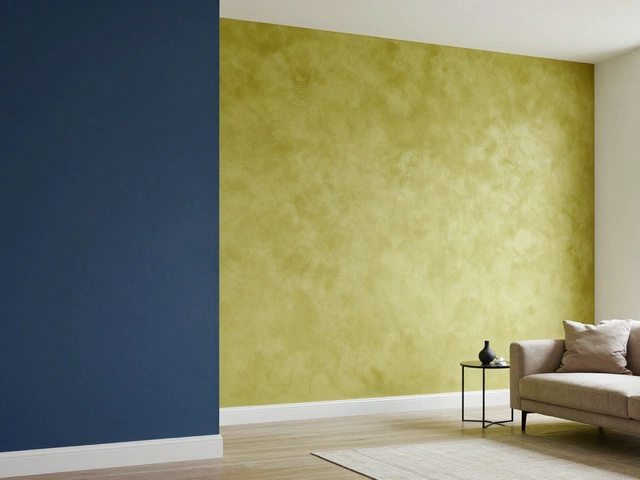
Most homeowners start by measuring the wall where the TV will live. Knowing the exact TV dimensions lets you pick a Wall mount, the bracket or stand that secures the TV to the wall that can support the weight and size of the set. A wall mount’s tilt and swivel range should match the TV’s height and your typical seating height, because the right angle prevents neck strain and glare. In rooms with built‑in cabinetry or surrounding furniture, consider how TV dimensions interact with storage solutions like sideboards or entertainment units—both of which we cover in our storage and furniture posts. The layout of the room, including curtain colors or wallpaper patterns, can affect perceived size; darker walls make a large TV feel cozier, while light walls emphasize its scale. Additionally, proper cable management keeps the installation tidy and helps you maintain the TV’s lifespan, a tip echoed in our DIY and home maintenance guides.
Putting it all together, the sweet spot arrives when TV dimensions, screen size, aspect ratio, and viewing distance align with your wall space, furniture arrangement, and lighting. Our curated collection below dives deep into related topics: from modernizing a sideboard that can host your new screen, to choosing curtain colors that complement a big‑screen experience, and even tips on protecting furniture from moisture when you install wall mounts near windows. Whether you’re a first‑time buyer or upgrading an existing setup, the articles ahead will give you actionable insights to make the most of your TV’s size and placement. Browse the posts to see how each piece of the puzzle fits into a harmonious home design.
How Much Bigger Is a 65-Inch TV Than a 60-Inch TV?
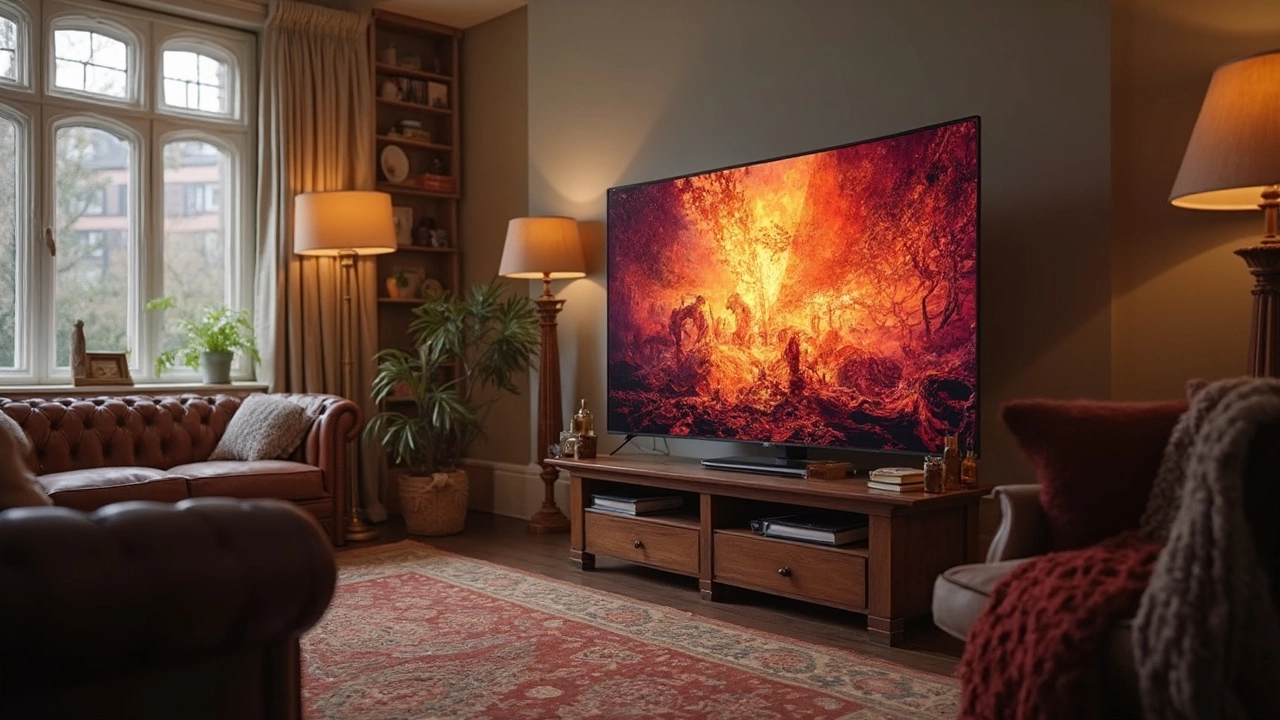
When choosing a TV, a seemingly small difference in screen size can actually impact your viewing experience quite a bit. A 65-inch TV might not seem significantly larger than a 60-inch model at first, but the additional screen real estate can enhance your entertainment setup. Understanding these differences is crucial, especially when considering TV stands and room arrangements in your home.
full article