Traditional to Modern Interior: How to Blend Timeless Style with Contemporary Design
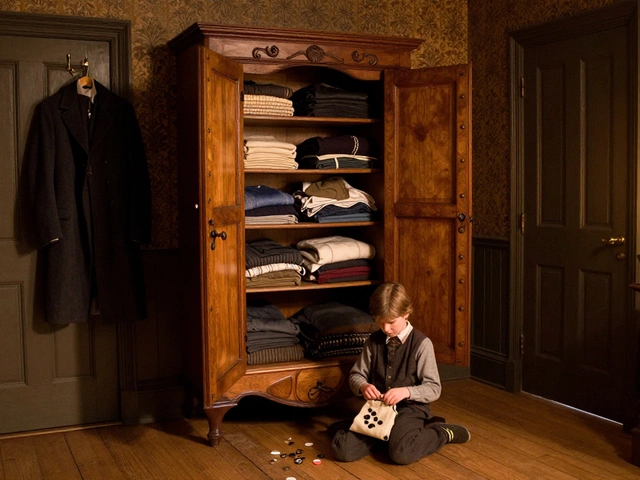
When you think of a traditional to modern interior, a design approach that merges classic architectural details with clean, minimalist elements. Also known as transitional style, it’s not about choosing one era over another—it’s about finding balance between warmth and simplicity. This isn’t just a trend. It’s what happens when people stop tearing out their original moldings and start rethinking their sofa choices. You keep the crown molding but swap the heavy drapes for linen panels. You hold onto your grandfather’s oak sideboard but pair it with a sleek, low-profile TV stand. The goal? A home that feels lived-in, not stuck in time.
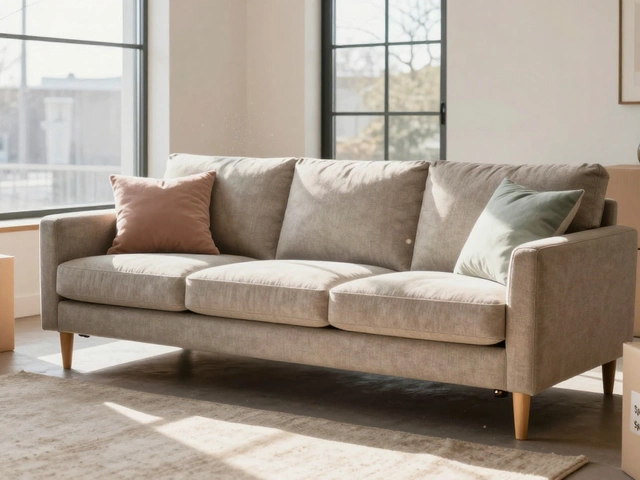
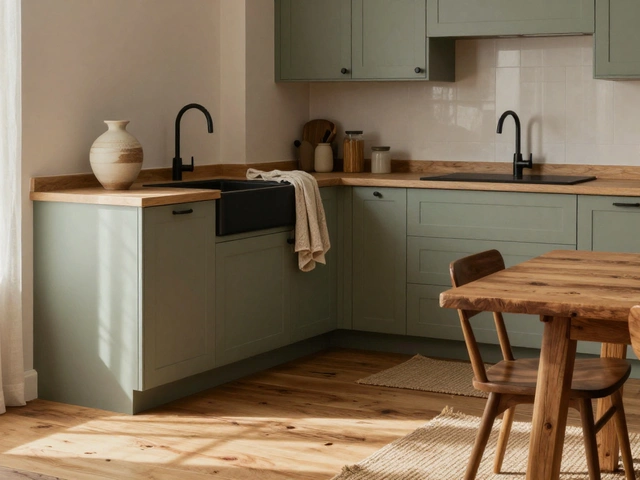
What makes this work isn’t just aesthetics—it’s furniture styling, how pieces are arranged, scaled, and finished to create harmony. A chunky, carved armchair looks right next to a glass-top coffee table if the wood tones match and the lines don’t fight. You don’t need to replace everything. Often, it’s just about changing the lighting, updating hardware, or repainting a dresser in a muted gray instead of gold leaf. home renovation, even small ones like replacing baseboards or refinishing floors, can bridge the gap between old and new without gutting the place. Many of the posts here show real examples: turning a vintage dresser into a dining room statement piece, modernizing an old table with simple sanding and a matte finish, or choosing neutral furniture colors that quietly tie together contrasting styles.
The biggest mistake? Trying to make everything match perfectly. A interior trend, a shifting set of preferences in color, material, and layout that reflect current tastes doesn’t mean erasing history. It means letting the past speak, but in a quieter voice. You’ll see in the posts below how people are using hardwood flooring to ground a room with modern art, how lighting choices can soften ornate details, and why some cracks in a foundation aren’t the only thing that needs fixing—sometimes, it’s the mindset that needs updating. These aren’t design theories. They’re real fixes from real homes across the UK. Whether you’re working with a 1920s terraced house or a 2010s build with bland finishes, the same rules apply: keep what feels right, change what doesn’t serve you, and never be afraid to mix.
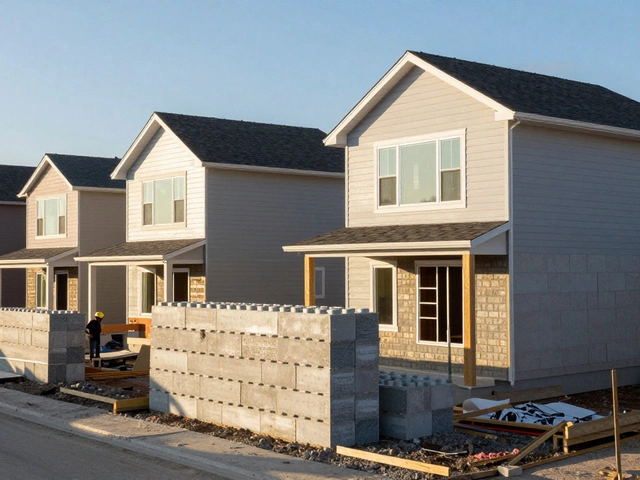
What follows isn’t a list of rules. It’s a collection of how people are quietly revolutionizing their spaces—without hiring a designer or spending a fortune. You’ll find practical tips on what color furniture works with everything, how to style a dresser in a dining room, why you shouldn’t decorate a new build right away, and how to fix foundation cracks that might be holding your whole vision back. It’s all connected. Because a home that looks good doesn’t just need new paint. It needs a story that makes sense.
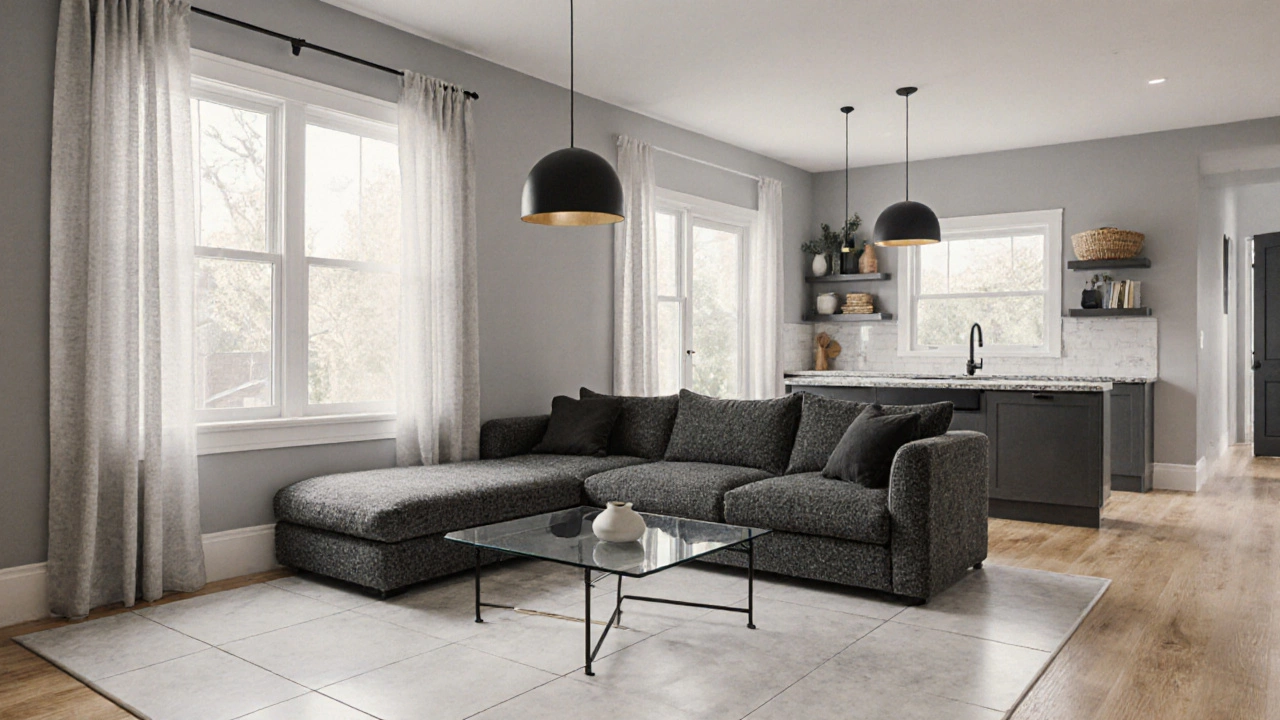
How to Make a Traditional Home Look More Modern: Simple Updates That Work
Learn how to modernize a traditional home without a full renovation. Simple updates like painting walls, updating lighting, and simplifying decor can transform dated spaces into calm, contemporary interiors.
full article