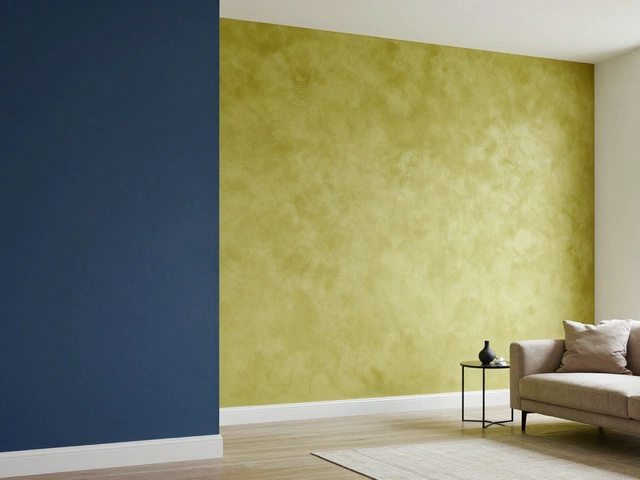
Sofa Wrapping Guide: Transform Your Couch Quickly
When working with Sofa wrapping, the process of covering a sofa with new fabric or protective material to refresh its look and extend its life. Also known as upholstery makeover, it helps homeowners avoid costly replacements while adding personal style, you instantly boost comfort and visual appeal. This sofa wrapping guide walks you through every decision point—from measuring the frame, choosing tools, budgeting for fabric, to installing the new cover with confidence. Even if you’ve never held a staple gun, the step‑by‑step flow keeps the job organized, time‑efficient, and results‑driven. By the end of the process you’ll have a sofa that feels brand new without the price tag of a full replacement.
What You’ll Need and Why It Matters
The first ingredient is the right fabric. Pick a weave that tolerates daily wear, resists stains, and complements your décor. Natural linen breathes well and ages beautifully, while performance blends like polyester‑cotton or acrylic‑polyurethane guard against spills and fading. When you cut the cloth, add a few extra inches for pattern matching and seam allowance—this prevents awkward mismatches later. Next, address the Couch cushions, the padded inserts that provide comfort and shape to a sofa. Removing old covers gives you a clear view of the fill condition; replace low‑density foam with high‑resilience foam for firmer support or add a feather blend for a plush feel. Most cushions feature a zip or velcro closure; reinforce the stitching before you re‑cover to avoid fraying. The fabric you select directly influences cushion durability—tight‑weave cotton holds the foam in place, while slick synthetics can let it shift over time. Finally, protect your effort against the hidden enemy of moisture. Furniture mold, fungus growth that can damage upholstery when humidity builds up thrives in damp corners, especially after a fabric change that traps residual moisture. After stapling the new cover, allow each layer to dry completely, use a dehumidifier in the room, and place a breathable underlay between the sofa frame and the fabric. Adding a light anti‑mold spray to the back of the fabric adds an extra barrier without affecting the look. By tackling fabric, cushions, and mold together, you create a three‑part shield that keeps the sofa looking fresh for years.
The final polish is all about style. Luxury sofa styling, design choices that make a sofa look high‑end, such as rich fabrics, trim details, and coordinated accessories turns a functional piece into a statement. Consider adding piping, tufted buttons, or a subtle metallic thread to elevate texture. Pair the new cover with coordinated throw pillows, a silk slipcover, or a textured rug to tie the room together. Color choice matters too—lighter hues open up a cramped living area, while deep jewel tones add coziness and drama. If you’re unsure, test a fabric swatch next to existing wall paint; natural light will reveal true tones. Maintenance is simple once the wrap is in place: vacuum the surface weekly, spot‑clean spills with a mild detergent, and rotate cushions every few months to ensure even wear. When trends shift, you can replace just the fabric layer without re‑doing the entire sofa, saving time and money. Below you’ll find detailed articles that dive deeper into each step—measuring tips, stain‑resistant finishes, cushion fill options, and décor tricks—so you can pick the exact advice you need and start wrapping right away.
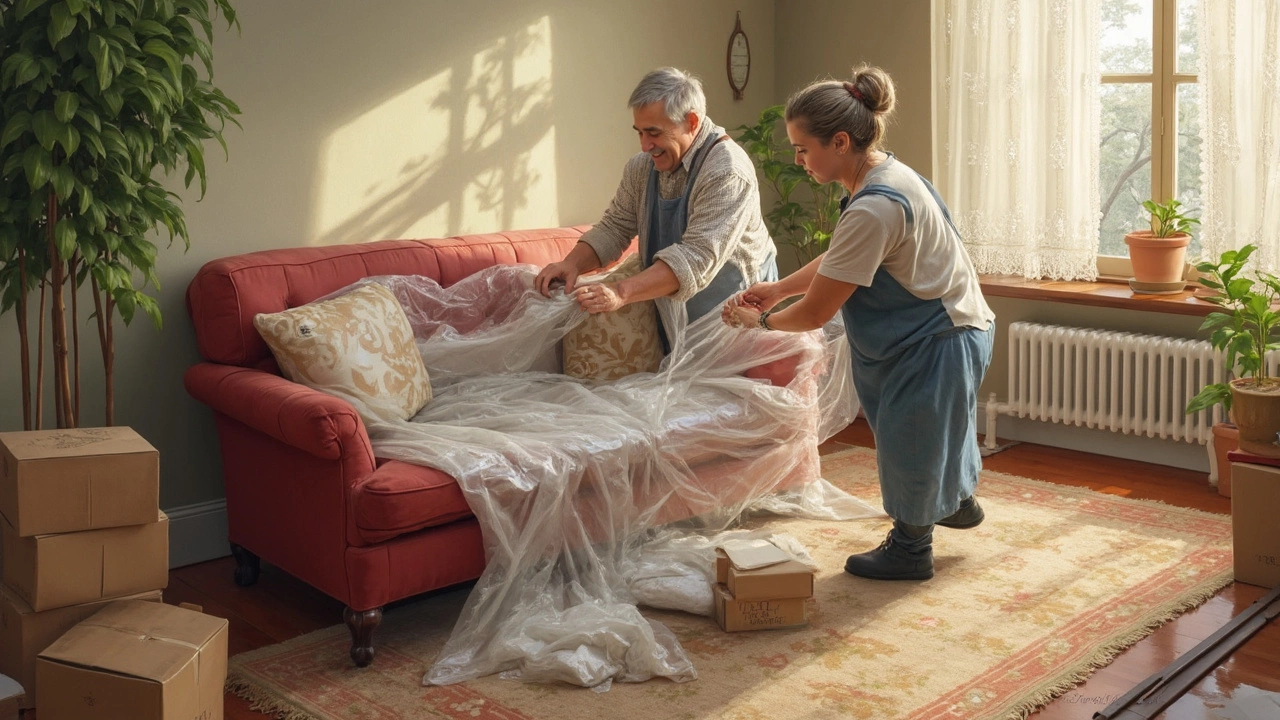
Best Way to Wrap a Couch for Storage: Tips and Mistakes to Avoid
Wondering if you should wrap a couch for storage? This guide covers how to protect your couch, what materials to use, and common mistakes to avoid.
full article