Slab Foundation: Basics, Benefits, and When to Choose It
When working with Slab Foundation, a flat, reinforced concrete base that supports a building’s load directly on the ground. Also known as slab‑on‑grade, it provides a stable platform for many modern homes. A related concept is Concrete Slab, the structural element that makes up the slab foundation, typically poured in one continuous piece, which relies heavily on Soil Bearing Capacity, the ability of the ground to support loads without excessive settlement. Another common alternative is the Strip Foundation, a series of narrow footings that run beneath load‑bearing walls. Understanding these pieces helps you decide if a slab foundation fits your project.
Slab foundations slab foundation encompass a single, continuous concrete pour that spreads the building load across a broad area. This design reduces the need for deep footings, which can cut material costs and speed up construction. Because the slab sits directly on the ground, it works best when the soil bearing capacity is high enough to avoid uneven settling. If the soil is soft or moist, engineers often recommend a __________ (fill in with appropriate ground improvement) or a thicker slab with reinforcement. In areas with frost, a frost‑protected layer is added to keep the concrete from cracking during freeze‑thaw cycles.
Key Considerations for Slab Foundations
Choosing a slab foundation isn’t just about cost—it’s about matching the foundation type to your site conditions and future plans. For instance, homeowners planning a loft conversion need to check whether the existing slab can support added vertical loads. Loft conversions typically add weight to the roof structure, which transfers pressure down to the foundation. If the slab’s soil bearing capacity is marginal, you might need to reinforce the slab or switch to a pier foundation that transfers loads deeper into stable ground. Similarly, a rear house extension will spread loads over a larger area; proper slab thickness and reinforcement become critical to avoid cracks.
Another factor is drainage. A slab foundation should sit on a well‑prepared sub‑base with a moisture barrier to prevent water seeping into the concrete. Poor drainage can lead to foundation settlement, where the slab slowly sinks or shifts, causing uneven floors and cracks. Regularly inspecting for signs like door frames sticking or flooring gaps can catch settlement early. If settlement is detected, solutions range from underpinning the slab to installing adjustable piers that level the structure.
When comparing slab foundations to other types, think about construction speed and thermal performance. A slab can be poured and finished quickly, which is why many new builds use it. It also provides a solid thermal mass, helping to regulate indoor temperatures when combined with proper insulation. In contrast, strip foundations require more excavation and labor, extending build time. However, strip foundations are preferable on sloping sites where a level slab would be difficult to achieve.
Maintenance of a slab foundation is relatively low, but it’s not hands‑off. Sealants around perimeter joints keep moisture out, and periodic checks for cracking are recommended, especially after extreme weather. If you notice cracks, a professional can assess whether they’re superficial or indicate deeper movement. Repair options include epoxy injection or adding a topping layer of concrete with reinforcement.
The decision to use a slab foundation also ties into planning permissions. In many UK regions, a slab on stable ground may bypass extensive foundation surveys, speeding up the approval process for house extensions or conversions. Yet, local building codes often require a soil test to verify bearing capacity. Engaging a structural engineer early can clarify whether a slab meets code and what reinforcement, if any, is needed.
Overall, a slab foundation offers a solid, cost‑effective solution for many residential projects, provided the ground conditions are suitable and proper drainage is installed. Whether you’re planning a loft conversion, a rear extension, or a new build, understanding how the slab interacts with soil, moisture, and additional loads will guide you to a durable outcome. Below you’ll find a curated collection of articles that dive deeper into related topics like loft conversion budgeting, house settlement signs, and choosing the right foundation type for your next project.
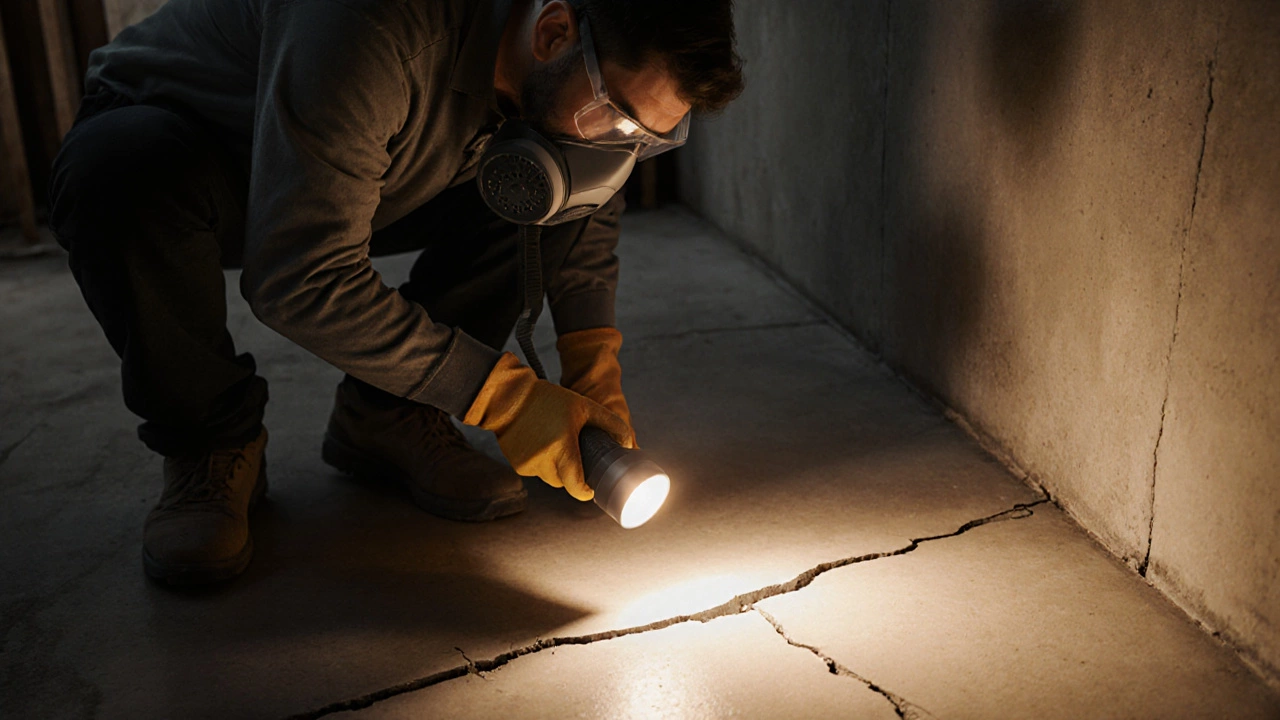
Can I Repair Foundation DIY? Tips, Risks, and Step‑by‑Step Guide
Learn when DIY foundation repair works, the tools you need, step‑by‑step instructions, and the signs that demand a professional.
full article