How to Modernize a Traditional Home: Practical Tips and Real Fixes
When you modernize a traditional home, update an older house to meet current needs while keeping its original character. Also known as updating a period property, it’s not about tearing down history—it’s about making it work better for today’s life. Many people think modern means sleek, cold, and completely new. But the best results happen when you respect what’s already there—original woodwork, high ceilings, or classic floor plans—and gently upgrade around it.
One big mistake? Replacing original windows just because they’re old. In reality, well-sealed historic windows with storm panels can outperform cheap modern ones. Home renovation, the process of improving an existing structure for safety, function, or style isn’t about replacing everything. It’s about smart choices: swapping out a 1980s kitchen for open shelving and matte black fixtures, or adding underfloor heating under original hardwood. You don’t need to gut the whole house to feel like you’re living in 2025.
Interior design, the art of shaping indoor spaces for comfort and beauty plays a huge role here. Neutral walls, clean-lined furniture, and strategic lighting can make a Victorian parlor feel fresh without touching the crown molding. And when it comes to furniture update, refreshing old pieces to match current trends, you don’t need to buy new. A simple sand-and-stain job on a dark oak dresser, or new brass pulls on a cabinet, can tie the whole look together. Even foundation issues—like small cracks or uneven floors—can be fixed without demolition. You don’t need to rebuild to feel rebuilt.
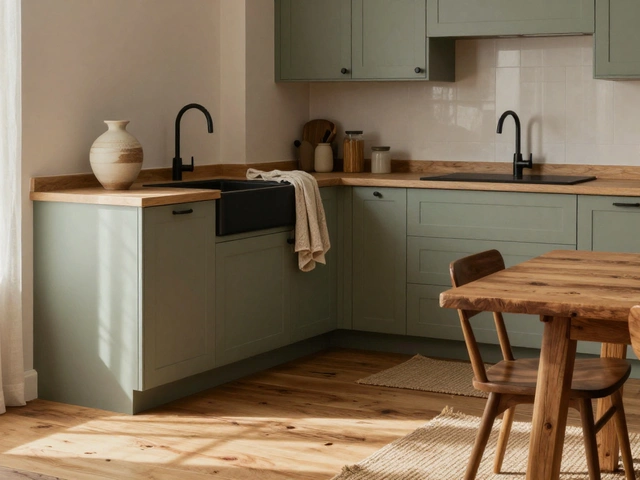
People often assume modernizing means going all-in on minimalist design. But the truth? It’s about balance. A farmhouse sink in a 1920s kitchen. A hidden TV cabinet behind a vintage mirror. A modern rug over original pine floors. These aren’t clashes—they’re conversations between eras. And the best part? You can do it slowly, one room at a time, without breaking the bank.
Some updates are obvious: LED lighting, better insulation, updated wiring. Others are quieter but just as important—like fixing a sagging floor that’s been ignored for decades, or replacing a drafty front door with a well-insulated replica that still looks original. You’re not erasing the past. You’re giving it new life.
Below, you’ll find real examples from homeowners who’ve done this exact work—how they fixed leaks without tearing out walls, how they turned a dull dining room dresser into a statement piece, and why waiting six months after a new build matters more than you think. These aren’t theory pieces. These are step-by-step stories from houses just like yours.
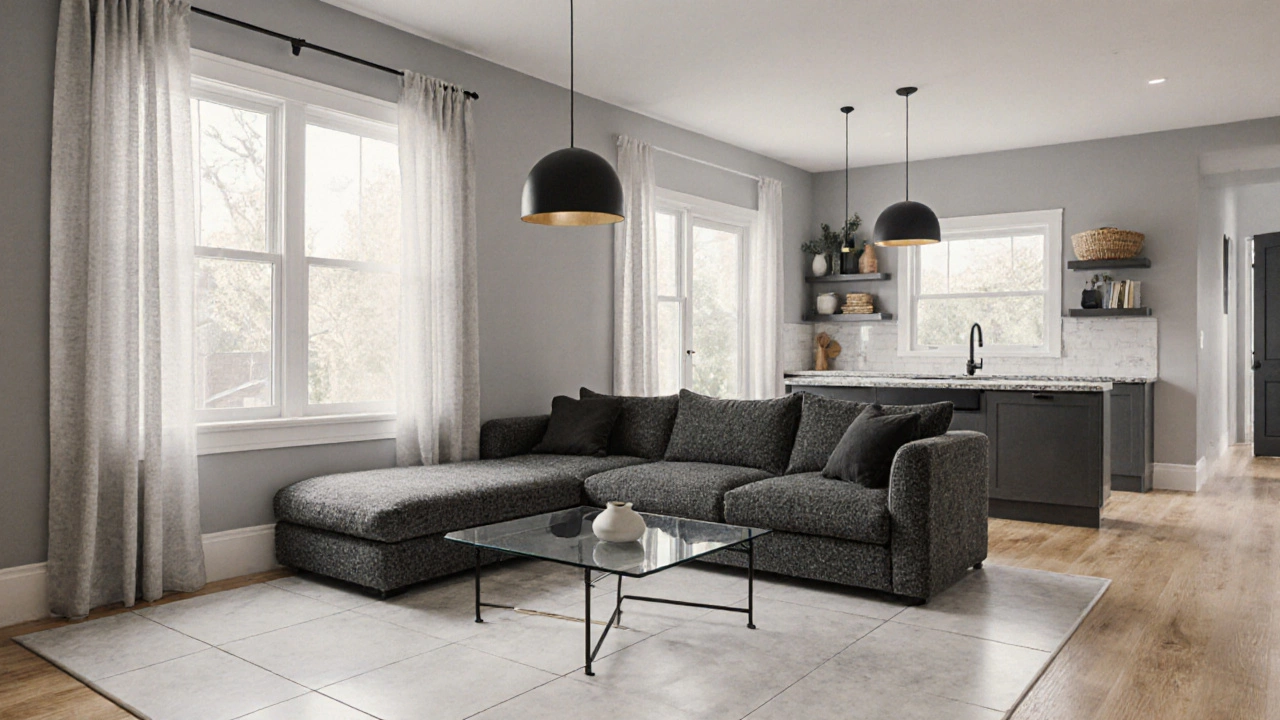
How to Make a Traditional Home Look More Modern: Simple Updates That Work
Learn how to modernize a traditional home without a full renovation. Simple updates like painting walls, updating lighting, and simplifying decor can transform dated spaces into calm, contemporary interiors.
full article