Kitchen Layout: How to Plan a Functional and Stylish Space
When planning a Kitchen layout, the arrangement of cabinets, appliances, and work zones inside a kitchen. Also known as kitchen floor plan, it determines how easy it is to move, cook, and clean. A well‑thought‑out layout encompasses Work triangle, the optimal distance between sink, stove, and refrigerator and relies on Kitchen storage, cabinetry and accessories that keep tools within reach. These core concepts require careful measurement, ergonomic thinking, and a clear sense of traffic flow, which together create a space that feels both efficient and welcoming.
Key Elements That Shape a Great Kitchen Layout
The work triangle is the starting point for most designers because it influences how quickly you can switch between tasks. Keep the three points under 26 feet total and avoid obstacles that force you to walk around them. Pair this with smart kitchen storage solutions: pull‑out pantry shelves, deep drawers for pots, and wall‑mounted racks that free up countertop space. Speaking of countertops, the choice of material matters not just for looks but for durability—granite, quartz, and solid surface each offer different maintenance levels and heat resistance, which affects how you arrange appliances and prep areas.
Lighting is another silent player. Proper Kitchen lighting, layers of ambient, task, and accent light that illuminate work zones reduces eye strain and highlights key surfaces. Under‑cabinet LEDs brighten cutting boards, while pendant lights over an island define that focal point and add style. When you place major appliances, think about where light hits. A fridge that blocks a window can create dark corners, while a stove near a well‑lit wall makes cooking safer.
Ergonomics tie all these pieces together. Counter height, toe‑kick space, and the distance between the sink and dishwasher should match the average user’s reach. If you have multiple cooks, consider zones: a prep island on one side, a cooking zone on the other, and a cleanup area near the waste bin. This zoning enables smoother workflow and prevents crowding during busy meals.
Budget‑friendly updates can still respect these principles. Swapping cabinet handles, adding a magnetic knife strip, or installing a simple LED strip costs little but instantly improves function. If a full remodel isn’t feasible, start with the most trafficked area—usually the space between sink and stove—and optimize that triangle first. Small changes often ripple through the whole layout, making the kitchen feel more organized without a massive investment.
Below you’ll find a curated collection of articles that dig deeper into each of these topics. From detailed work‑triangle calculations to tips on choosing the right countertop material, the posts cover everything you need to turn a chaotic cooking area into a well‑planned hub. Explore the insights and start applying them to your own kitchen today.
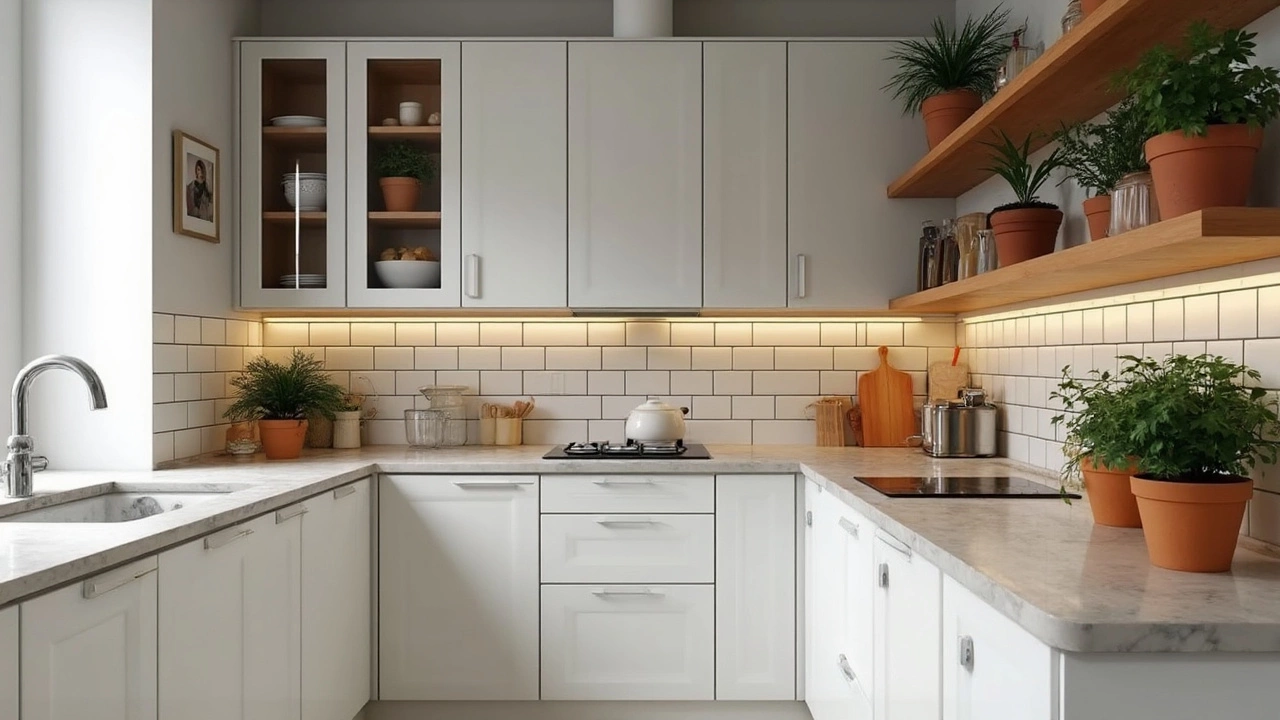
Best Kitchen Layouts: Maximizing Space and Functionality
Discover the best kitchen layouts that can transform your cooking space into an efficient and stylish hub. Whether you're grappling with a small kitchen or have a spacious area to play with, the right layout can enhance functionality. Explore creative tips to maximize space while maintaining a keen eye on aesthetic appeal. Determine what type of layout - be it U-shaped, galley, or open-plan - suits your lifestyle and needs.
full article