Kitchen Design Ideas, Tips & Trends
When working with kitchen design, the process of planning and shaping the look, function, and flow of a cooking space. Also known as kitchen planning, it guides choices from layout to finishes. A good plan kitchen design starts with understanding three core ideas: layout, materials, and atmosphere. It also pulls in related elements like cabinetry, built‑in storage units that set style and practicality, lighting, task and ambient fixtures that affect mood and visibility, storage solutions, clever organizers that keep countertops clear, and countertop materials, surfaces that balance durability, cost, and aesthetics. Kitchen design encompasses layout planning, while effective lighting enhances functionality. Cabinetry influences storage efficiency, and the right countertop material ties everything together.
Key Elements to Consider
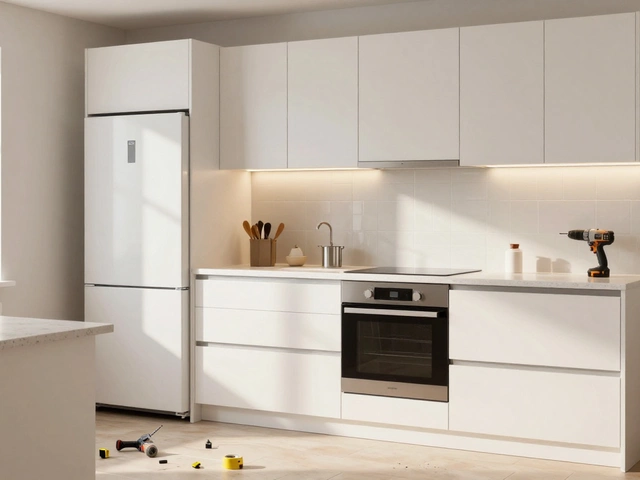
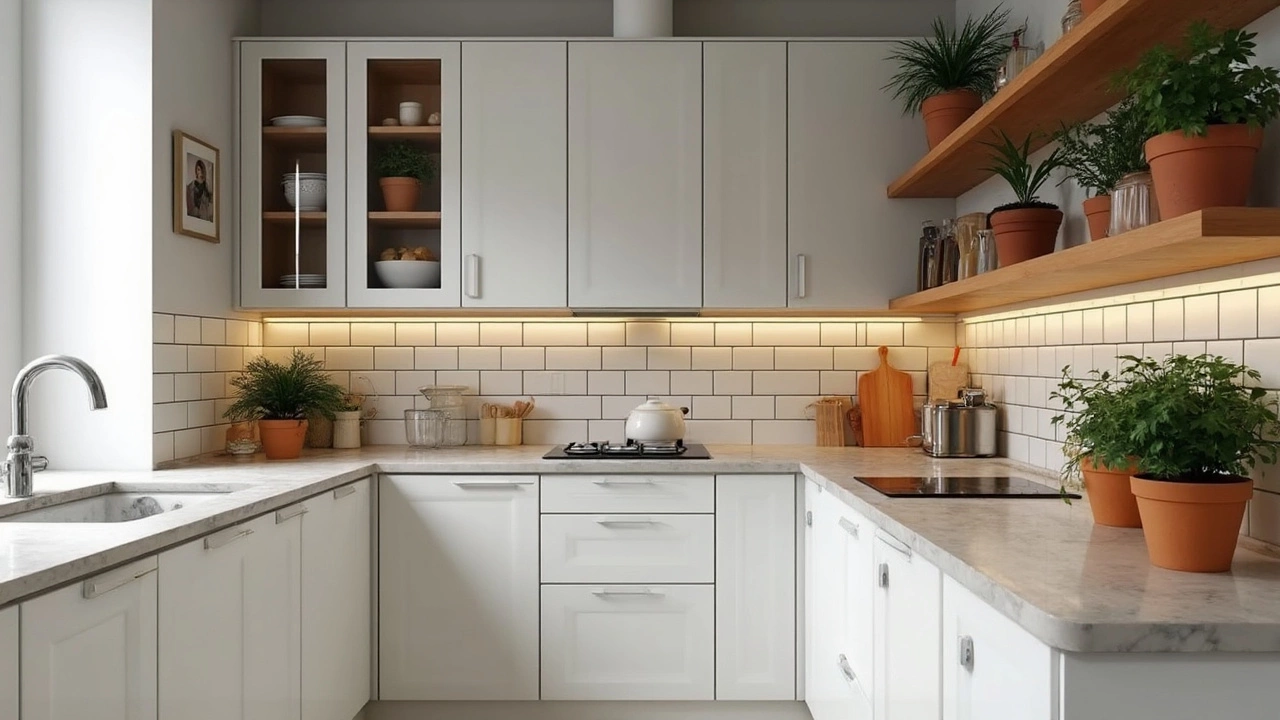
First up is the layout. Whether you choose a classic work triangle, an open‑plan island, or a galley setup, the goal is to keep the main zones – cooking, cleaning, and prep – within easy reach. A well‑thought‑out layout reduces steps, saves time, and makes the space feel larger. Next, think about materials. Granite, quartz, and solid‑surface options each bring a different look and level of maintenance. If you love a warm, natural vibe, wood‑grain quartz can mimic hardwood without the wear. For a sleek, modern feel, polished marble adds drama but demands sealing.
Cabinetry isn’t just storage; it’s a style statement. Shaker doors give a timeless, clean look, while glass fronts showcase dishes and add depth. Soft‑close hinges and pull‑out trays transform a cluttered kitchen into a smooth‑operating hub. Pair your cabinets with smart storage solutions – think pull‑out spice racks, deep drawers for pots, and vertical dividers for baking sheets. These tweaks keep essential items at hand and free up countertop space for cooking.
Lighting plays a starring role. Ambient ceiling lights provide overall illumination, but layered lighting makes a kitchen truly work. Under‑cabinet LEDs brighten work surfaces without shadows, while pendant lights over an island create focal points. Choose bulbs with a high CRI (Color Rendering Index) to render food colors accurately – an important detail for anyone who loves plating.
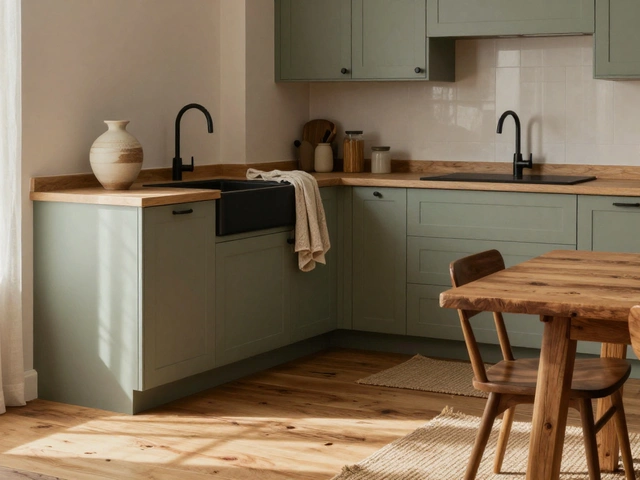
Color and finish tie the room together. Neutral palettes – soft greys, warm whites, and muted taupes – let appliances and accessories shine. If you crave a pop, add a bold backsplash in teal or mustard. Trend‑watchers in 2024 are swapping sterile whites for earthy greens and deep navy, which add character without overwhelming the space.
Finally, don’t forget the little details that elevate a kitchen from functional to delightful. Open shelving displays stylish dishes, a herb garden on the windowsill adds freshness, and a rolling cart offers extra prep space. Even a well‑placed rug can soften hard flooring and define zones.
All these ideas feed into a cohesive kitchen design strategy. By aligning layout, cabinetry, lighting, storage, and material choices, you create a space that works for daily meals and impresses guests. Below you’ll find articles that dig deeper into each of these topics – from modern countertop trends to DIY storage hacks, lighting guides, and color palettes that are shaping kitchens this year. Browse the collection to discover actionable tips, real‑world examples, and expert advice that will help you bring your dream kitchen to life.
Best Kitchen Layouts: Maximizing Space and Functionality
Discover the best kitchen layouts that can transform your cooking space into an efficient and stylish hub. Whether you're grappling with a small kitchen or have a spacious area to play with, the right layout can enhance functionality. Explore creative tips to maximize space while maintaining a keen eye on aesthetic appeal. Determine what type of layout - be it U-shaped, galley, or open-plan - suits your lifestyle and needs.
full article