House Foundation Damage: Signs, Causes, and Real Fixes
When your home’s house foundation damage, the structural weakening of a home’s base that can lead to cracks, uneven floors, or water intrusion. It’s not just a repair—it’s a warning your home needs attention now. This isn’t about cosmetic fixes. Foundation damage is what happens when the ground beneath your house shifts, swells, or settles unevenly. It’s the silent problem that starts with a hairline crack and ends with a $20,000 repair if ignored.
Most people don’t realize that foundation crack, a break or split in the concrete or masonry base of a building. It’s a common symptom, not the disease itself. A crack wider than 1/8 inch? That’s not normal. Horizontal cracks? That’s serious. They mean soil pressure is pushing the wall inward—often from poor drainage or heavy rain. And foundation leak, water seeping into the basement or crawl space through cracks or porous concrete. It’s not just a damp spot—it’s a sign your foundation is under stress. Water doesn’t just ruin floors and walls. It weakens the concrete over time, speeds up rust on steel supports, and invites mold that can hurt your health.
What causes this? In the UK, it’s often clay soil that swells when wet and shrinks when dry. Old homes with shallow footings are especially vulnerable. Poor grading around your house? That’s pouring water straight toward your foundation. Clogged gutters? Same problem. Even tree roots nearby can pull moisture from the soil and cause it to sink. You can’t fix this with caulk or paint. You need to understand the root cause—because if you don’t, the crack will come back.
Some cracks are harmless. Others mean your house is tilting. How do you tell the difference? Look for stair-step cracks in brick, doors that stick for no reason, or gaps between walls and ceilings. If your floor slopes more than 1 inch over 20 feet, that’s not settling—it’s failure. And if water’s pooling in your basement after every rain, you’re not just dealing with a leak. You’re dealing with structural pressure.
This collection of posts gives you the real talk—no sales pitches, no jargon. You’ll find out what size crack you can ignore (and which one demands a pro), how to stop leaks from the inside without tearing up your yard, and why fixing drainage matters more than patching walls. We cover DIY options that actually work, when to call in a structural engineer, and how to avoid being upsold on unnecessary repairs. These aren’t theory pieces. They’re written by people who’ve walked through damp basements, measured cracks with rulers, and fixed homes that were slipping sideways.
Whether you’re worried about a new crack in your garage wall or you’ve lived with a sloping floor for years, you’ll find answers here. No guesswork. No scare tactics. Just clear, practical steps to protect what’s probably your biggest investment.
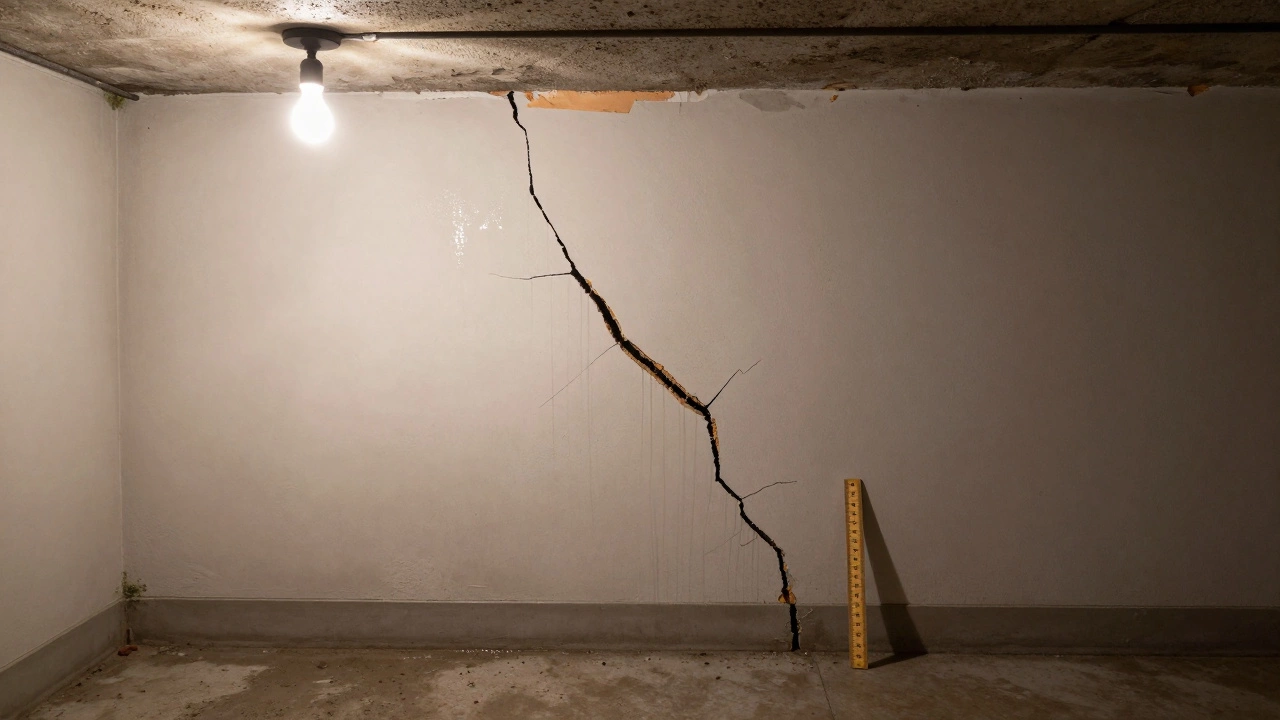
What Happens If You Don't Fix a Foundation Crack? Real Consequences in Vancouver Homes
Ignoring a foundation crack can lead to water damage, mold, structural failure, and major financial loss. In Vancouver’s climate, even small cracks worsen quickly-here’s what happens if you don’t act.
full article