Home Lighting Tips – Bright Ideas, Energy Savings & Style
When planning Home Lighting, the practice of selecting and installing light sources that improve a house’s look, function and energy use. Also known as residential illumination, it shapes how we experience every room. home lighting isn’t just about fixtures; it’s a blend of light quality, placement and technology that makes a space feel welcoming.
Natural Light Lighting, using daylight‑inspired fixtures and strategies to mimic the sun’s spectrum indoors is a key sub‑topic. By bringing in colour temperatures close to 5,500 K, you get a crisp, energising vibe that works great in kitchens and home offices. This approach also leans on a high CRI, Colour Rendering Index, which measures how accurately a light source displays true colours. The higher the CRI (above 90), the more natural fabrics, wood tones and artwork appear, reducing eye strain and making décor pop.
Choosing the right Daylight Bulbs, LED or fluorescent lamps engineered to reproduce daylight’s spectrum is essential for achieving that natural feel. These bulbs typically offer a color temperature, measured in Kelvin, that ranges from 4,500 K to 6,500 K for a true‑daylight effect. Pairing a high CRI with the right Kelvin rating lets you fine‑tune ambience: cooler temperatures boost concentration for study areas, while slightly warmer daylight settings create a relaxed lounge atmosphere. Energy‑efficient LEDs also cut electricity use, which means lower bills without sacrificing brightness.
Putting It All Together
Effective home lighting blends three core ideas: the quality of light (CRI), the hue of light (color temperature) and the source type (daylight bulbs or natural‑light‑mimicking fixtures). When you align these elements with room function—bright, high‑CRI daylight in workspaces, softer, warm tones in bedrooms—you create a cohesive look that feels intentional. Layout matters too; placing lights at eye level, using layered fixtures (ambient, task, accent), and avoiding harsh shadows ensure every corner is well‑lit. These concepts also intersect with energy goals: LEDs with high efficacy (lumens per watt) deliver the needed brightness while keeping consumption low.
Below you’ll find a curated set of articles that walk through each of these topics in depth. Whether you’re updating a single room or re‑imagining an entire home, the pieces cover practical DIY steps, product recommendations and design tips that will help you master home lighting without guesswork.
Perfect Home Lighting: How to Achieve It
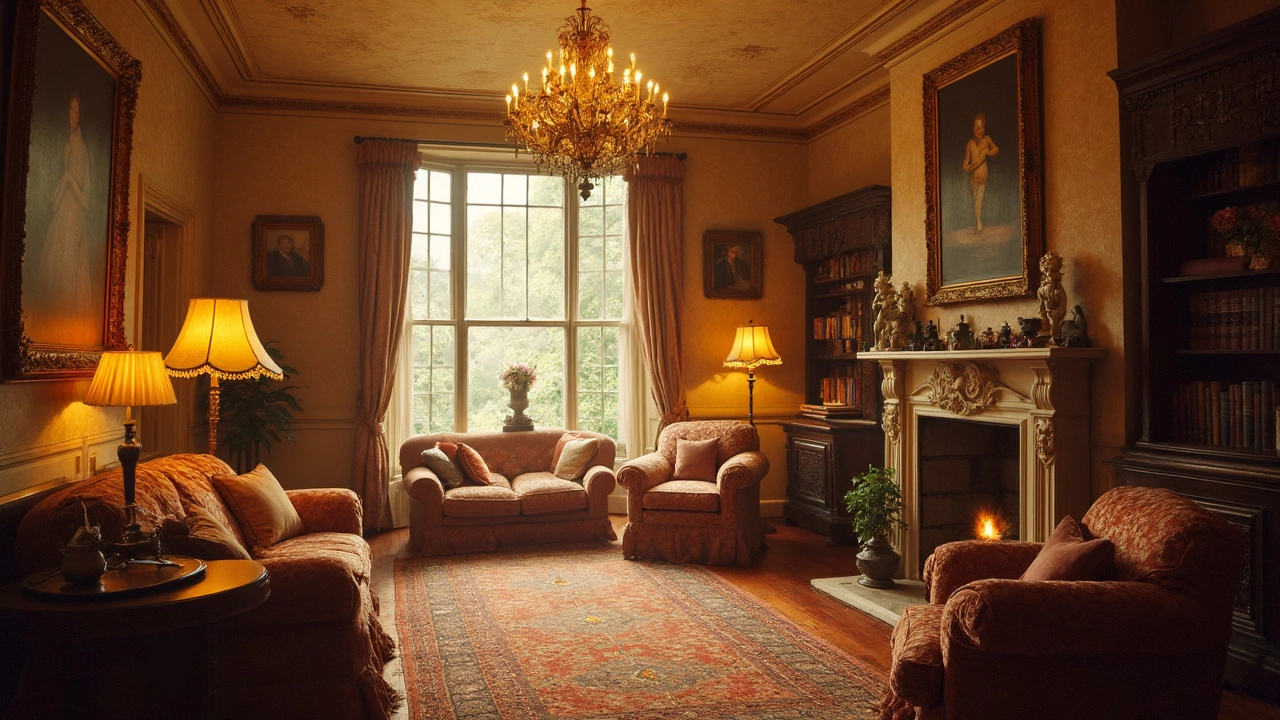
Achieving perfect home lighting can transform your living space, enhancing both functionality and mood. It involves understanding the types of lighting, strategically placing fixtures, and choosing the right bulbs. By considering both natural light and artificial options, you can create an inviting atmosphere in every room. This guide offers practical tips and insights to help you illuminate your home like a pro.
full article