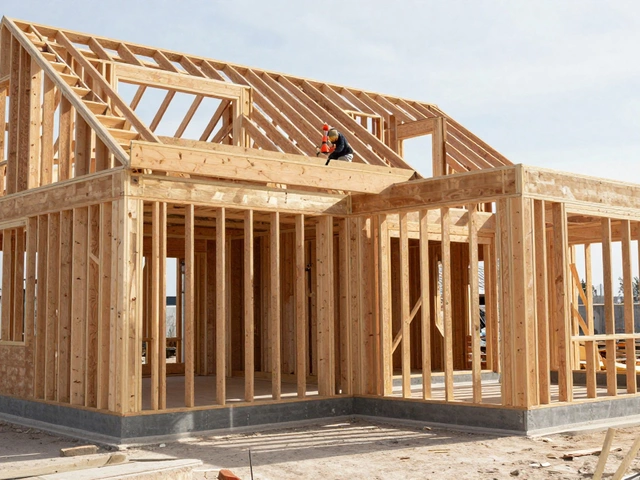
Home Expansion: Ideas, Costs, and What You Need to Know Before Starting
When you start thinking about a home expansion, a structural addition to increase living space in your house. Also known as a home addition, it’s not just about adding square footage—it’s about planning for structural integrity, local rules, and long-term value. Many people assume it’s just about knocking down a wall and building out, but the real work starts before the first brick is laid.
A loft conversion, turning unused attic space into a functional room. Also known as attic renovation, is one of the most common types of home expansion because it avoids the need for new foundations and often skips full planning permission. But even then, you need to check load-bearing walls, insulation, and stair access. Then there’s the foundation repair, fixing cracks, bowing, or settling that can ruin any expansion project. Also known as structural repair, it’s not optional if your house is older or in a climate with heavy rain or freeze-thaw cycles. You can’t build upward if the base is failing. And don’t forget building permits, official approvals required before starting construction. Also known as planning permission, they’re not red tape—they’re your protection. Skip them, and you risk fines, forced removals, or trouble selling later.
Home expansion isn’t a weekend project. It’s a process that ties into plumbing, electrical, insulation, and sometimes even your neighbor’s property line. The posts below cover real situations: how much a loft conversion actually costs in 2025, why ignoring a foundation crack can cost you thousands, and what permits you can’t skip. You’ll find tips on making space work without overbuilding, how to tell if your foundation can handle an addition, and what small changes give you the most bang for your buck. Whether you’re adding a bedroom, turning a garage into a living area, or just trying to make your home feel bigger, the answers here are based on what actually works—not just what looks good in a magazine.
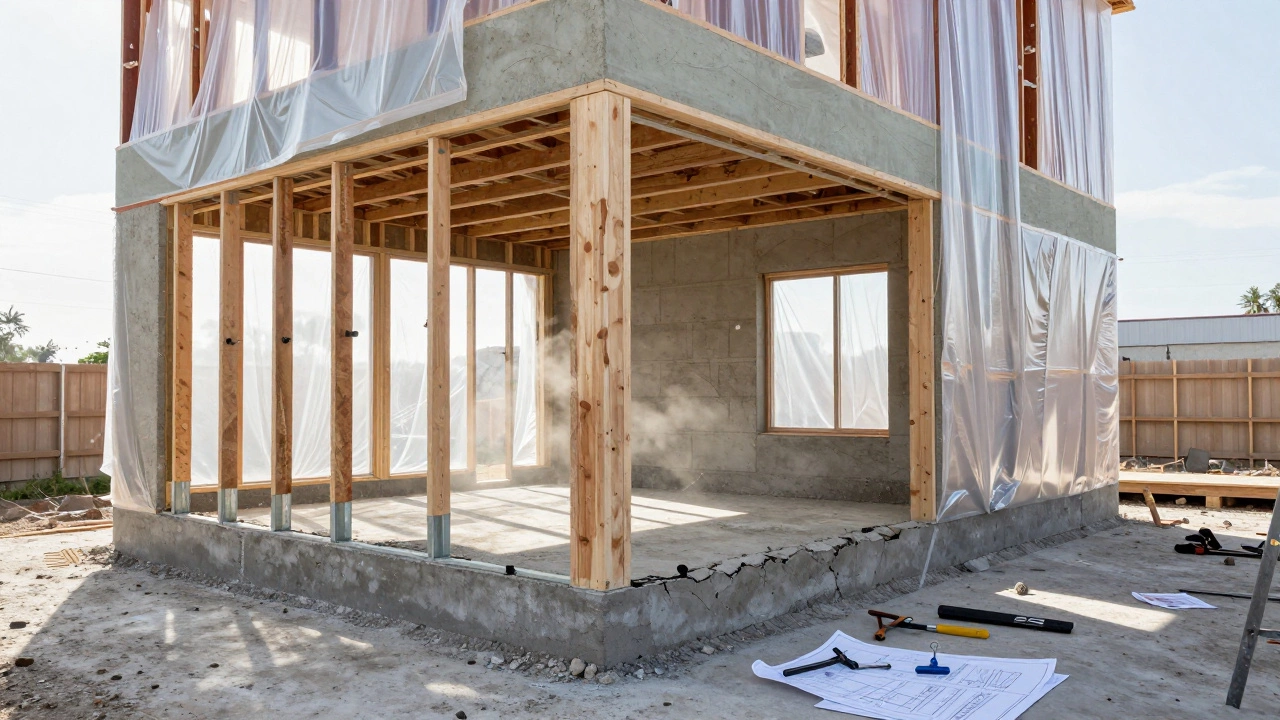
Is It Cheaper to Build Up or Expand Your House?
Building up or expanding outward? Learn the real costs, hidden expenses, and key factors that make one option significantly cheaper than the other for home additions in 2025.
full article