Grass: Basics, Care, and Landscaping Uses
When working with grass, the green, fibrous plant that covers lawns, parks, and fields. Also known as sod, it forms the foundation of most outdoor green areas. Grass care starts with understanding its core companions: lawn, a cultivated strip of grass designed for aesthetics and use relies on soil, the nutrient‑rich medium that anchors roots and supplies water. For quick installation, many choose turf, pre‑grown rolls of grass that can be laid down like a carpet. These entities intertwine: grass requires healthy soil, lawns are managed patches of grass, and turf provides an instant lawn solution. Knowing how they relate helps you plan a resilient green space.
Practical Tips for Healthy Grass and Lawn Maintenance
Keeping grass thriving means regular mowing, proper watering, and occasional aeration. Mow at the right height—usually about 2‑3 inches—to prevent stress and encourage deeper roots. Water deeply but infrequently; early morning sessions let the soil absorb moisture before evaporation. Aeration creates tiny holes in the soil, improving air flow and root penetration, which directly benefits the lawn’s overall vigor. Fertilize according to the season: a nitrogen‑rich feed in spring boosts growth, while a balanced fertilizer in fall strengthens root systems for winter. These actions link back to soil health—well‑structured soil holds moisture and nutrients, supporting both grass and any turf you’ve laid. By treating the lawn as a living system, you reduce weeds and pests, making the area safer for pets and kids.
Beyond pure maintenance, grass plays a big role in garden landscaping and outdoor design. A well‑kept lawn can serve as a backdrop for flower beds, create play areas for families, or define zones for outdoor gatherings. When planning a garden, think about how the grass interacts with other plantings: shade‑tolerant grasses thrive under trees, while sun‑loving varieties need open, sunny spots. Turf is handy for sports fields or temporary event spaces because it establishes quickly and can handle heavy foot traffic. Moreover, healthy grass reduces soil erosion, filters rainwater, and improves air quality—environmental benefits that extend to your whole property. With these insights, you’re ready to pick the right grass type, maintain a lush lawn, and integrate it seamlessly into your garden or patio area.
Below you’ll find a curated collection of articles that dive deeper into specific topics—from DIY lawn renovation ideas to choosing the perfect turf for your climate. Whether you’re a homeowner looking to refresh your backyard or a landscaper seeking efficient maintenance tricks, the posts ahead cover a range of practical advice and creative inspiration.
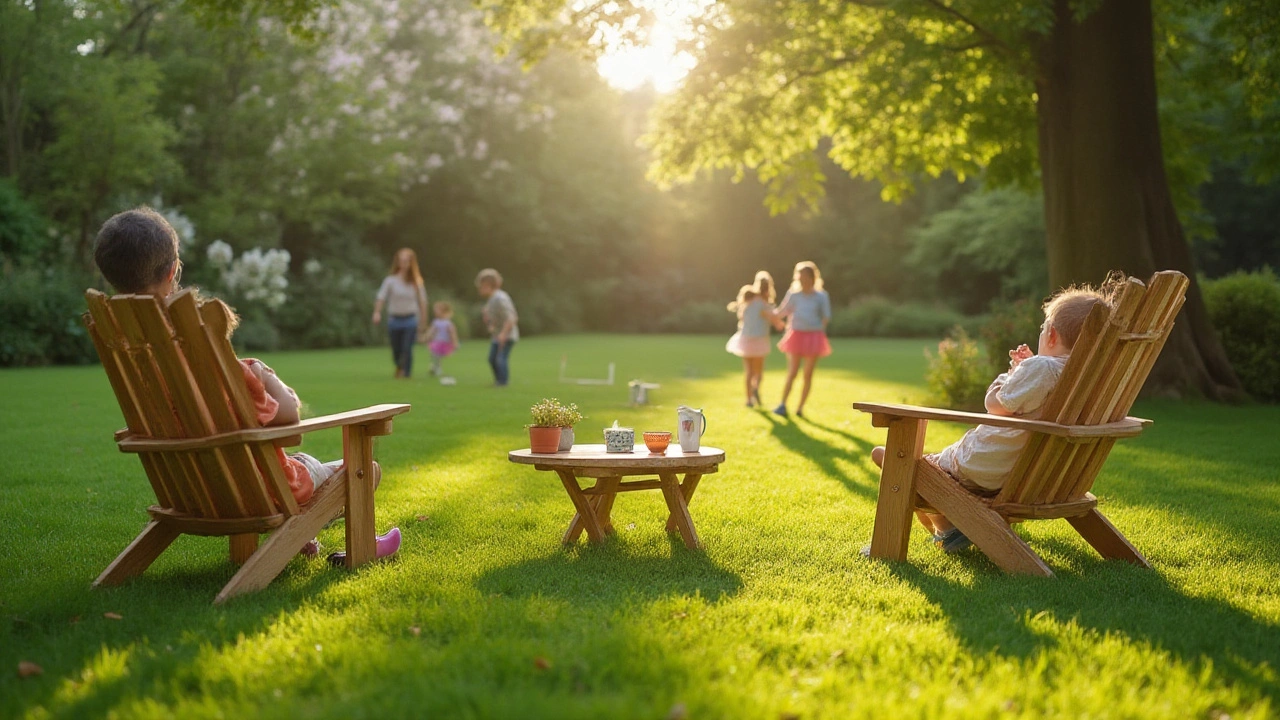
Can Garden Furniture Sit on Grass? Real-Life Tips & Must-Know Facts
Ever thought of putting garden furniture straight on your lawn? Dive into real-life tips, practical problems, and clever solutions to help your grass and furniture stay happy.
full article