Furniture Storage Tips: Keep Your Pieces Safe and Fresh
When planning furniture storage tips, a set of practical steps to protect and organize furniture during short‑term or long‑term storage, you’re really tackling three key concerns: space optimization, mold prevention, and humidity control. Also known as furniture preservation strategies, these tips help you avoid costly damage and keep items ready for use.
One of the biggest hurdles is mold prevention, keeping fungal growth away from wood, fabric, and upholstery. Mold thrives in damp, stagnant air, so you need to manage humidity control, maintaining a dry environment with ideal relative humidity levels (ideally 45‑55%). Using a dehumidifier or silica packets inside the storage unit reduces moisture, which directly lessens the risk of mold. In practice, you’ll notice that effective mold prevention requires proper humidity control, creating a dry barrier that stops spores from taking hold.
Smart Space Optimization and the Right Containers
Optimizing space starts with storage containers, durable, breathable boxes or bins that protect furniture from dust and moisture. Choose containers with ventilation holes for fabric pieces, and solid, sealed options for wooden items. Stackable designs let you use vertical space efficiently, while clear lids help you locate items without opening every box. Pairing the right containers with strategic placement—like keeping heavier items on the floor and lighter, delicate pieces on top shelves—maximizes the unit’s capacity and reduces the chance of accidental damage.
These three concepts—space optimization, mold prevention, and humidity control—form a logical chain. Furniture storage tips encompass space optimization; space optimization requires the use of proper storage containers; proper containers influence mold prevention; mold prevention hinges on humidity control. By weaving these ideas together, you create a system where each step supports the next, delivering a reliable, low‑maintenance storage solution.
Below you’ll find a curated set of articles that dive deeper into each of these areas, from choosing the best containers to setting up a humidity‑controlled storage unit. Whether you’re stashing a vintage armchair or seasonal sofas, the insights here will help you protect your furniture and keep it looking its best when you bring it back home.
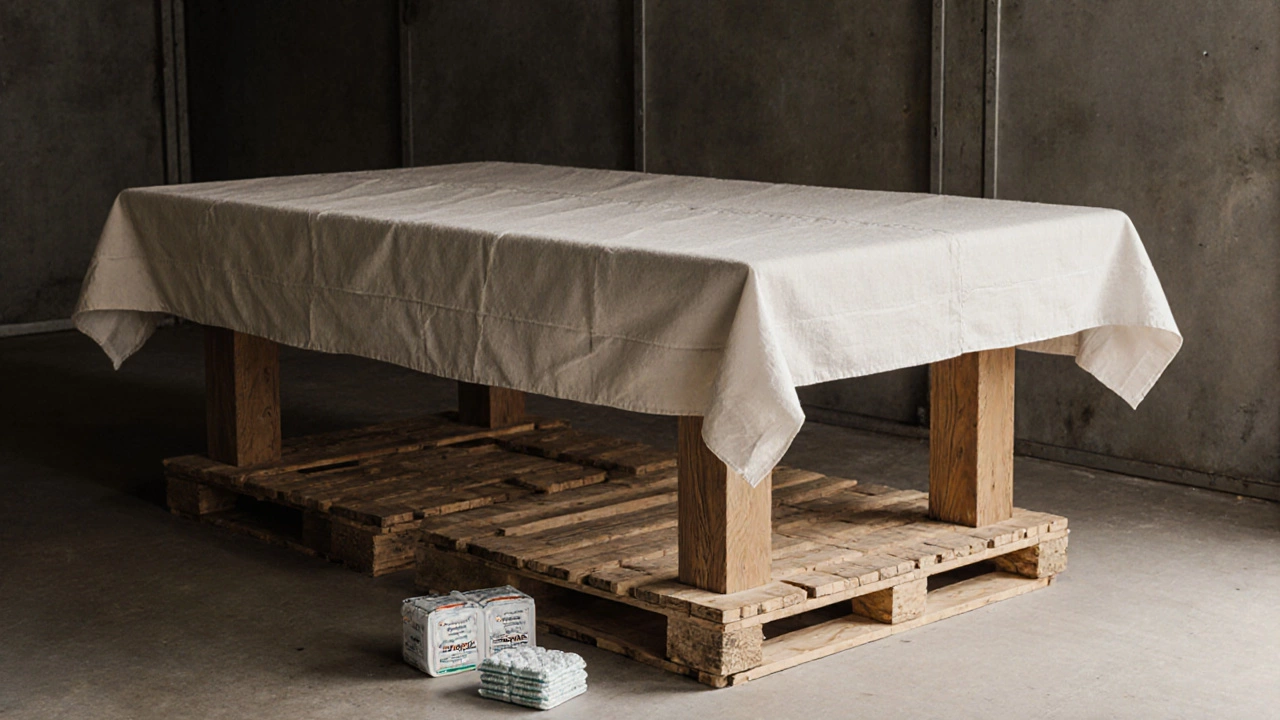
How to Cover Furniture for Storage: A Practical Guide to Protect Your Pieces
Learn how to properly cover furniture for storage to prevent damage from moisture, dust, and pests. Get step-by-step tips on materials, setup, and long-term care.
full article
Is Storing Furniture in a Container Safe? Storage Tips & Risks Explained
Get the real story on storing furniture in containers. Discover the risks, learn safety tips, and see what pros say about protecting your furniture in storage.
full article