Furniture Comparison
When working with furniture comparison, the systematic process of weighing style, durability, cost, and function of different furniture items. Also known as furniture evaluation, it gives you a roadmap to avoid buyer’s remorse and match pieces to your living environment. A good comparison starts by listing what matters most to you – whether it’s the material, the finish, the size, or how easy the item is to maintain. From there you can rank each option against those criteria and see which piece truly earns a spot in your home.
Key Factors to Compare
One common debate is between a classic sideboard, a low storage piece often used in dining rooms or hallways, and a modern storage unit that may blend with open‑plan living areas. Understanding the sideboard’s traditional appeal and its load‑bearing capacity helps you decide if it fits a formal setting or a casual lounge. Another hot topic is couch cushions, the padded inserts that affect a sofa’s comfort and lifespan. Comparing foam density, down fill, and cover fabric tells you whether a cushion will stay springy for years or flatten after a few months. Meanwhile, furniture mold, fungus growth that can damage wood, upholstery, and indoor air quality is a hidden risk in damp climates; checking humidity levels and using moisture‑absorbing packets can prevent costly repairs. Lastly, spotting furniture mites, tiny arthropods that thrive in dusty fabrics and can trigger allergies is essential for healthy living. Simple inspections, regular vacuuming, and sun‑drying fabrics keep these critters at bay.
Putting these pieces together, a solid furniture comparison process involves three steps: identify the attributes that matter most, gather data on each item’s performance in those areas, and rank the results to see which piece wins. For example, if you love the visual weight of a solid‑wood sideboard but worry about humidity, you might prioritize mold‑resistant finishes or sealed surfaces. If a couch feels plush but the cushions lose shape quickly, you’d look for higher‑density foam or a blend of down and synthetic fibers. When you evaluate a piece for mite resistance, you check material breathability and ease of cleaning – leather and tightly woven fabrics often fare better than loose‑weave upholstery.
Below you’ll find a curated list of articles that dive deeper into each of these topics. From DIY guides that show you how to modernize an old table, to expert advice on spotting mold and mites in stored furniture, the posts cover practical tips, cost‑saving ideas, and up‑to‑date trends. Use them as a toolbox to sharpen your comparison skills, spot hidden issues before you buy, and ultimately choose furniture that looks great, lasts long, and stays healthy in your home.
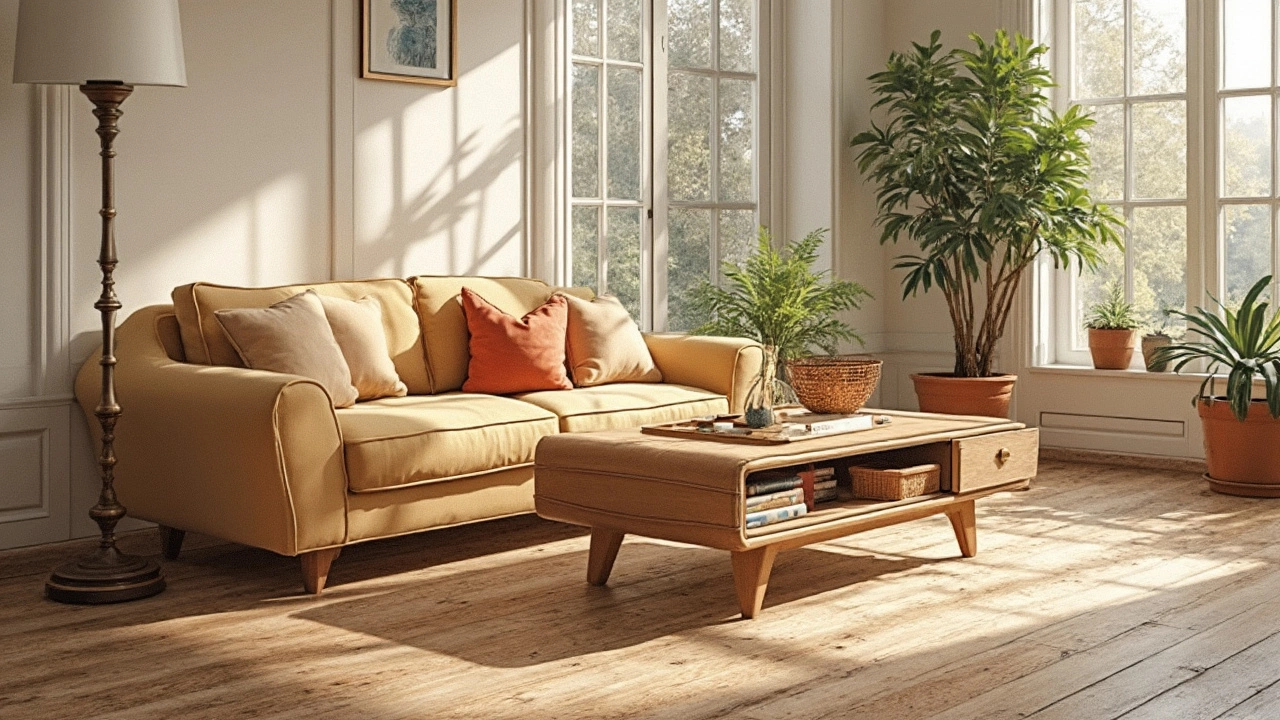
Costco Furniture vs. Ashley Furniture: Which is the Better Buy?
Choosing the right furniture for your home involves more than just aesthetics; it's about balancing quality, price, and convenience. Comparing Costco and Ashley Furniture reveals differences in style, durability, and customer service. Each offers unique advantages, making the choice dependent on individual needs. Understanding these aspects can help in making an informed decision on which retailer suits your furniture needs best.
full article