Foundation Crack Repair: What You Need to Know
When dealing with Foundation crack repair, the process of locating, sealing, and reinforcing cracks in a building’s foundation to stop water entry and preserve load‑bearing capacity. Also known as foundation sealing, it is a critical step for any homeowner facing structural issues.
One of the main drivers behind cracks is soil movement, the natural expansion, contraction, and shifting of ground beneath a structure. When soil expands or shrinks, it puts pressure on the concrete walls, leading to cracks that compromise structural integrity, the ability of a building to withstand loads without excessive deformation. In short, soil movement influences foundation settlement, and settlement creates the cracks you see.
Why Foundation Cracks Matter
Cracks aren’t just cosmetic; they act as pathways for water infiltration, the unwanted flow of moisture into a foundation through gaps. When water seeps in, it can erode concrete, rust rebar, and even cause mold growth in basements. This chain reaction reduces the home’s overall structural integrity and can drive up repair costs dramatically.
Addressing the issue typically involves concrete repair, methods like epoxy injection, polyurethane foam filling, or carbon fiber stitching to restore strength. The chosen technique depends on crack width, depth, and the surrounding soil conditions. For example, a narrow hairline crack might be sealed with epoxy, while a larger settlement crack may need a combination of carbon fiber straps and soil stabilization.
Professional foundation crack repair also requires a thorough assessment of the surrounding environment. Experts check for signs of soil moisture changes, drainage problems, and even tree root intrusion. Each factor represents a piece of the puzzle: proper drainage mitigates water infiltration, while soil stabilization curbs future movement, preserving structural integrity over time.
When you plan a repair, think of the process as a three‑step loop: diagnose the cause (soil movement, moisture, load shifts), apply the right repair method (epoxy, polyurethane, carbon fiber), and implement preventive measures (drainage, grading, moisture barriers). This loop ensures that fixing a crack today doesn’t lead to a new one tomorrow.
Below you’ll find a curated mix of articles that dig deeper into each aspect—how to spot early signs of settlement, the best materials for concrete repair, DIY water‑proofing tips, and when to call a specialist. Use this collection to guide your next steps, whether you’re budgeting for a simple seal or planning a comprehensive foundation overhaul.
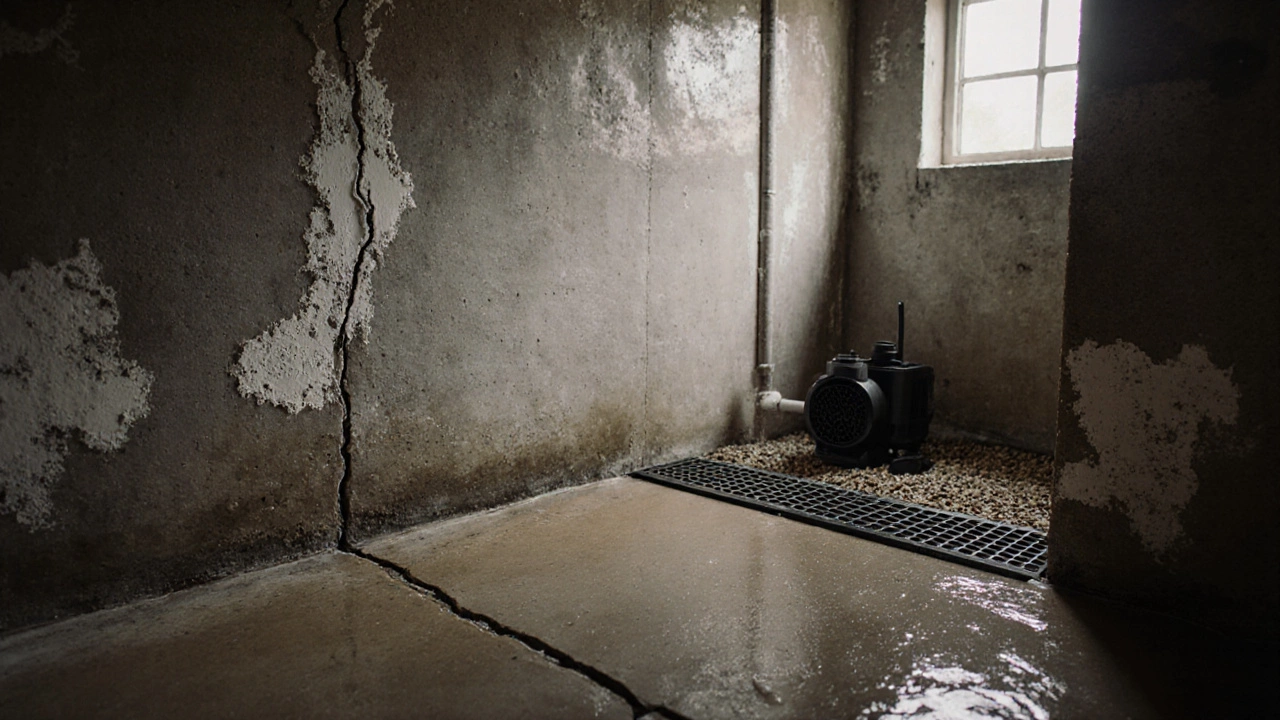
How to Stop Foundation Leaks from the Inside: Practical Fixes for Homeowners
Learn how to stop foundation leaks from the inside with practical, proven methods-without expensive exterior repairs. Fix cracks, install interior drainage, control humidity, and avoid common mistakes.
full article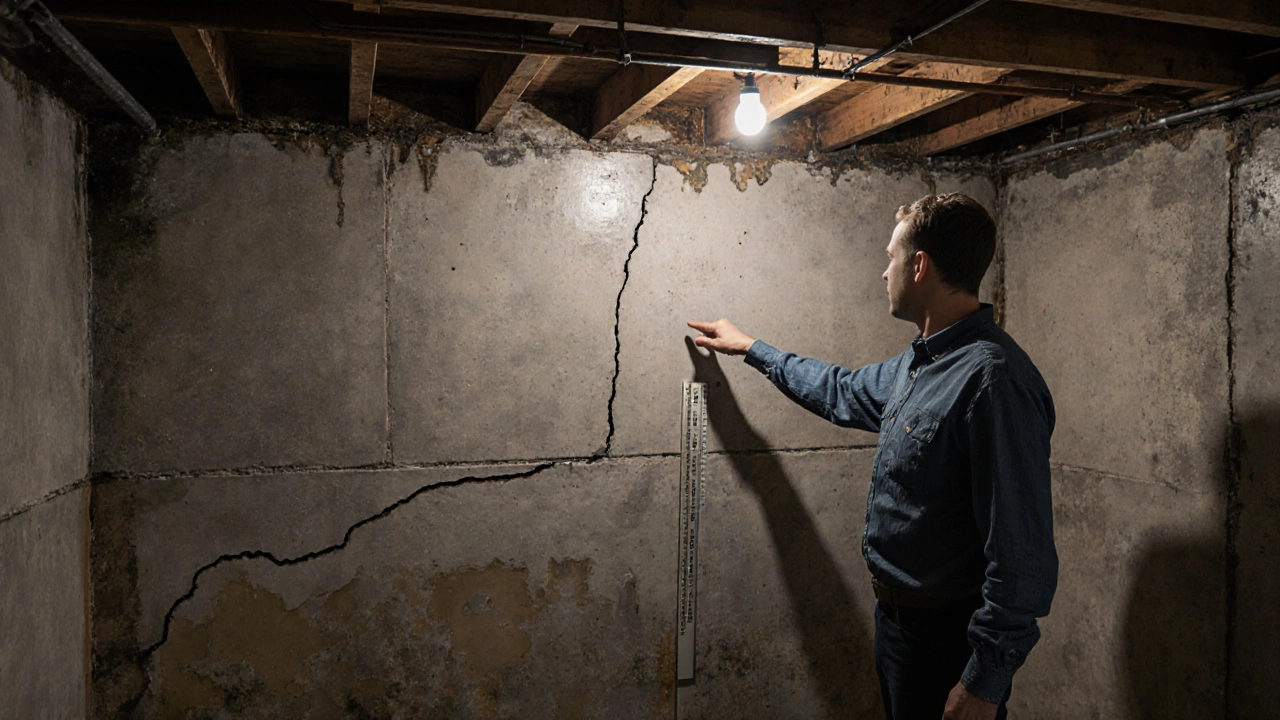
How Much Does It Cost to Repair a Horizontal Foundation Crack?
Horizontal foundation cracks signal serious structural pressure. Repair costs in 2025 range from $1,500 to $15,000+ depending on crack width, bowing, and method used. Carbon fiber straps, steel beams, and wall anchors are common fixes - but drainage must be addressed too.
full article
Can I Fix a Foundation Crack Myself? Your No-Nonsense DIY Guide
Wondering if you can handle a foundation crack without calling in the pros? This article breaks down when it's safe to tackle the job yourself versus when to step back and call an expert. You'll get a practical walkthrough of tools and materials, an honest look at risks, and clear, step-by-step instructions. We’ll also clear up myths and point out common mistakes that waste time and money. If you’re staring at a crack in your basement and feeling stuck, this guide gives you real answers.
full article