Expensive Look: Create Luxury Style Without Breaking the Bank
When aiming for an Expensive Look, a polished, high‑end appearance that feels upscale without the premium price tag. Also known as luxury feel, it relies on smart design choices rather than costly materials. Pairing this with luxury interior design, the practice of using refined elements, premium textures, and thoughtful layout creates a strong visual impact. Adding budget‑friendly styling, clever hacks that stretch a modest budget keeps the project realistic. Choosing the right high‑end furniture colors, shades like deep navy, charcoal, or rich jewel tones that scream sophistication ties the whole look together. An expensive look encompasses luxury interior design, requires budget‑friendly styling, and is influenced by high‑end furniture colors. These connections form the backbone of any upscale makeover.
Key Elements to Master for an Expensive Look
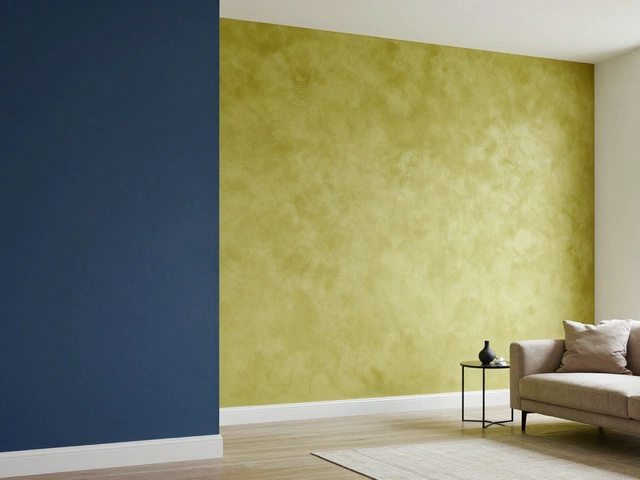
First, color acts as the silent salesman in a room. Deep, saturated hues such as midnight blue, emerald green, or charcoal gray instantly raise the perceived value. Pair these with crisp white trim or gold accents to keep the space from feeling heavy. Next, lighting plays a silent but powerful role. Upscale lighting, fixtures that mimic natural daylight or use layered illumination not only highlights architectural details but also adds a museum‑like polish. Think floor lamps with dimmers, pendant lights with brushed metal finishes, or LED strips hidden behind crown molding. Texture is the third pillar; mixing smooth surfaces with tactile fabrics creates depth. Opt for velvet cushions, lacquered coffee tables, or marble-look countertops that look pricey but can be sourced from budget‑friendly manufacturers. Finally, accessories like mirrors, art prints, or decorative trays should follow the principle of “less is more.” A single large mirror can double perceived space, while a statement piece of artwork in a sleek frame adds a gallery vibe without a hefty price tag. These elements—color, lighting, texture, and accessories—are the tools that turn an ordinary room into a space with an expensive look.
The biggest mistake people make is over‑loading a room with cheap décor in an attempt to look rich. Instead, focus on cohesion: choose a limited palette, repeat key materials, and let each piece have breathing room. Maintenance matters too; a well‑kept surface always looks more expensive than a brand‑new but neglected one. Simple habits like regular dusting, polishing metal hardware, and rotating cushions keep the space fresh. Planning ahead helps you avoid impulse buys; start with a mood board, list must‑have items, and then hunt for sales on those pieces. By following these strategies, you’ll build a foundation that supports many future upgrades without starting over. Below you’ll find curated articles that dive deeper into each of these topics—from DIY furniture makeovers to lighting guides—giving you actionable steps to master the expensive look in your own home.
How to Make Curtains Look Expensive: Simple Tricks for Instant Upgrade
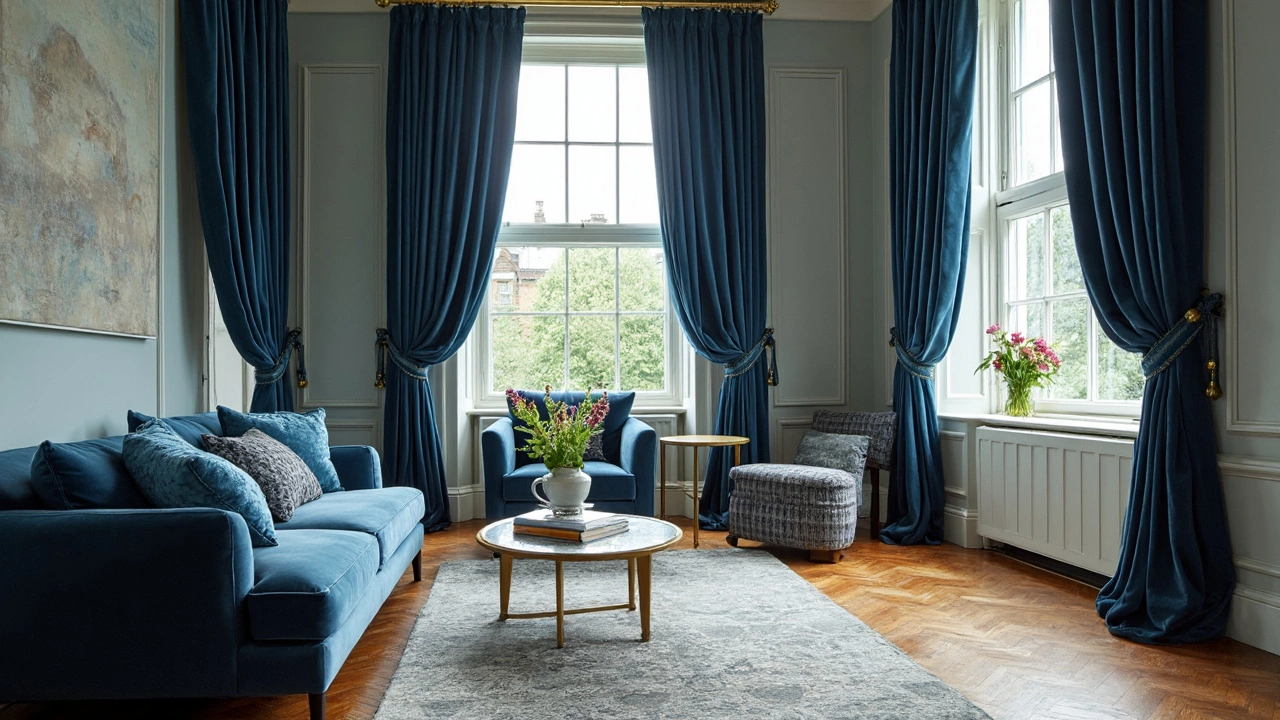
Want curtains that look like they came straight out of a designer showroom? This article gives you hands-on tips to make your curtains look expensive without draining your wallet. You'll learn about fabric choices, hanging techniques, clever accessories, and the small changes that make a big difference. Even if you think your windows are hopeless, these tricks work. Get ready for guests to wonder if you splurged.
full article