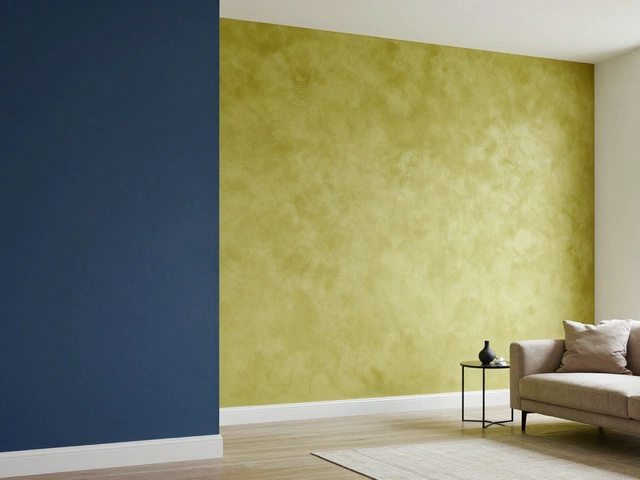
Expensive Furniture Colors – Luxury Shades, Materials & Design Tips
When working with expensive furniture colors, high‑end shades that add richness and value to furniture pieces. Also known as luxury paint palettes, they combine premium pigments with specialized finishes to create lasting impact. If you’re hunting for the perfect expensive furniture colors that scream luxury, keep reading.
One of the core building blocks of a luxe look is premium pigments, rich, light‑fast colorants used in high‑quality paints and stains. These pigments lock in depth, so a deep navy or emerald stays vibrant for years. They also interact with light differently than cheap dyes, giving the furniture a subtle glow that changes with the time of day. Choosing the right pigment is the first step in mastering expensive furniture colors.
After you’ve picked the pigment, the next piece of the puzzle is the high‑end finishes, protective layers such as lacquer, polyurethane or hand‑rubbed wax that seal color and add sheen. A satin finish on a mahogany table, for example, will highlight the grain while preserving the deep red hue created by premium pigments. The finish also dictates how the color weathers, which matters if the piece sits near a window or in a high‑traffic area. In short, expensive furniture colors require finishes that enhance durability and visual depth.
The third pillar is the designer color palettes, curated collections of shades that work together across walls, textiles and accessories. Professional interior designers often start with a palette that includes a statement color for the furniture, then balance it with neutral walls and complementary accents. This approach ensures the expensive furniture colors become a focal point rather than a clash. When the palette is cohesive, the room feels intentional and upscale.
How Upholstery and Fabrics Fit In
Upholstery fabrics are the silent partners to any colored piece. A velvet sofa in a deep plum benefits from the same premium pigments used in its paint, creating a unified look. When selecting fabrics, consider fiber type—silk and high‑quality linen hold color better than cheap synthetics. The weave also affects how light reflects, which can either mute or amplify the expensive furniture colors nearby. Pairing the right fabric with your chosen shade can make the whole room feel richer.
Lighting is the final visual amplifier. Natural sunlight, warm LED bulbs, or directional spotlights each interact uniquely with color. For instance, a side table painted in a matte charcoal shade might look flat under harsh fluorescents, but under soft amber lighting it gains a sophisticated depth. By planning your lighting scheme around the expensive furniture colors, you make sure the hue looks its best at any hour.
Space planning also plays a subtle role. Large, open rooms allow bold colors to breathe, while smaller spaces benefit from toned‑down accents. Positioning a brightly colored cabinet against a neutral wall creates a focal point without overwhelming the eye. Conversely, placing a dark, richly colored piece in a cramped area can make the room feel even tighter. Thinking about layout helps you use expensive furniture colors to shape perception of space.
Finally, maintenance ensures the investment lasts. Regular dusting, gentle cleaning agents, and occasional touch‑ups of the finish keep the colors vibrant. Some high‑end finishes recommend a light polish every six months to restore shine and protect the underlying pigment. By following a simple upkeep routine, the expensive furniture colors you choose today will stay impressive for years.
Below you’ll find a curated selection of guides that dive deeper into each of these areas—whether you want DIY tips, trend forecasts, or technical advice on finishes. Use them to fine‑tune your color choices and bring a truly luxurious feel to your home.
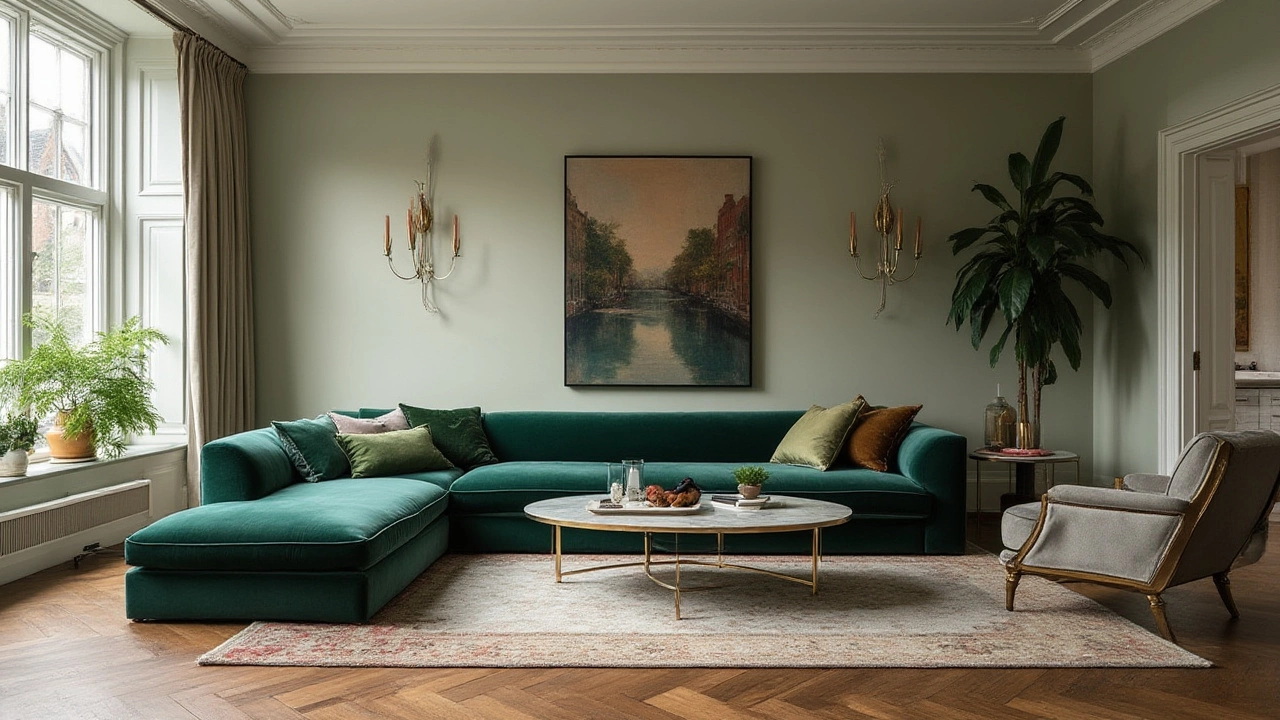
What Colour Furniture Looks Expensive: Tips to Choose Luxury-Looking Pieces
Explore which furniture colours instantly add a sense of luxury and costliness to your home. Discover practical advice, expert tips, and unexpected truths.
full article