DIY Foundation: What You Need to Know Before You Dig
When tackling a DIY foundation, a self‑managed approach to building or repairing a house’s structural base. Also known as do‑it‑yourself foundation work, it lets homeowners cut costs while staying in control of the process.
Success starts with understanding the forces that can move a house over time. foundation settlement, the gradual sinking of footings caused by shifting soil or water is the most common culprit behind cracks, doors that stick, and uneven floors. soil testing, a set of on‑site investigations that reveal load‑bearing capacity and moisture content gives you the data you need to design a footings layout that resists that movement. At the same time, building regulations, the local codes that dictate minimum footing depth, reinforcement, and insulation set the legal floor you can’t go under. Together these three pieces form a simple equation: DIY foundation requires accurate soil testing, which helps predict and prevent foundation settlement, all while staying within building regulations.
Key Steps for a Successful DIY Foundation
First, get a reliable soil report. Simple test pits, moisture meters, and a few professional samples will tell you whether you need a strip footing, a reinforced slab, or deeper pile supports. Next, map out the load paths of your future walls and roof, and size the footings accordingly. Use the local building code to confirm the minimum width, depth, and reinforcement bar size—most councils publish a quick reference chart online. Once you’ve designed the layout, mark the perimeter, dig to the required depth, and level the base with compacted gravel. Pour a concrete slab that includes a vapor barrier and reinforcement mesh, then let it cure for at least seven days before adding any walls. Finally, backfill carefully, keeping water away from the new footings; good drainage is the last line of defense against future settlement.
While the steps sound straightforward, a few pitfalls trip up even seasoned DIYers. Skipping the soil test often leads to surprise cracks months later. Ignoring local regulations can halt a project mid‑build when authorities spot non‑compliant footings. And overlooking drainage—like failing to install a perimeter French drain—lets rainwater erode the supporting soil, reigniting settlement issues. By keeping these warning signs in mind, you’ll avoid costly repairs and keep the structure stable for decades. Below you’ll find articles that dive deeper into each of these areas, from budgeting your foundation project to spotting early signs of house settling. Use them as a toolbox to turn your DIY foundation plan into a solid, worry‑free reality.
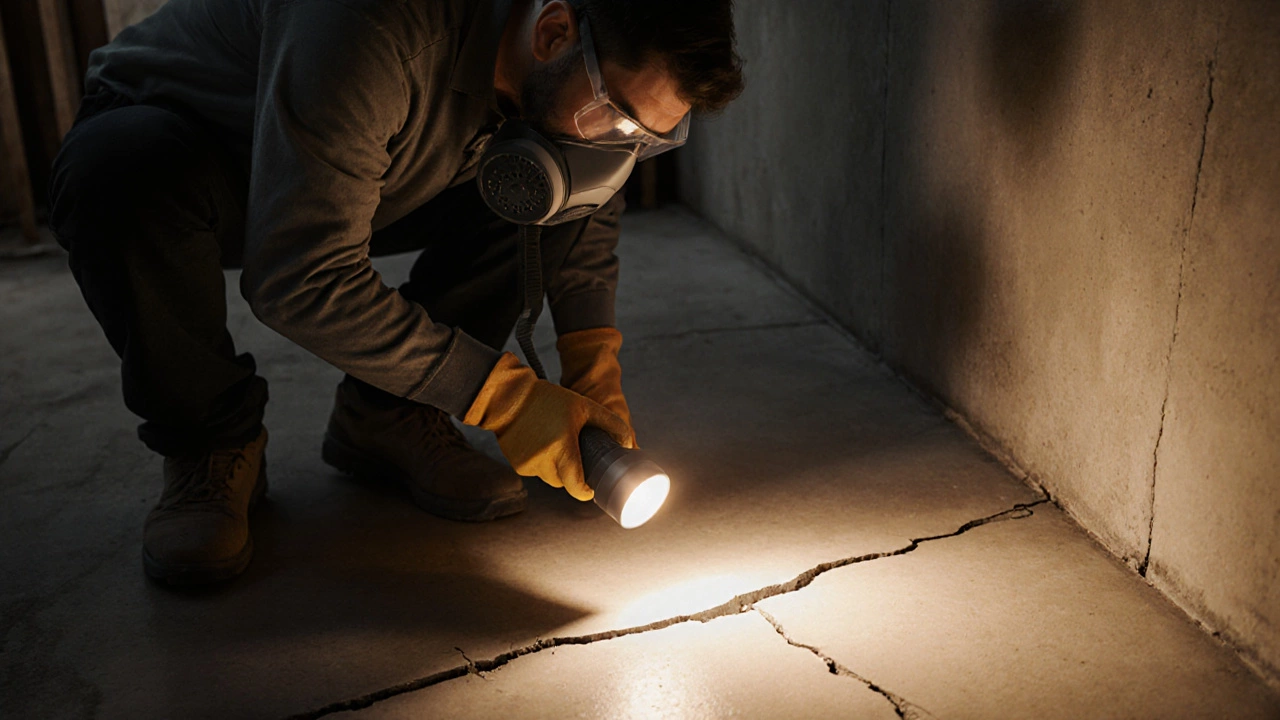
Can I Repair Foundation DIY? Tips, Risks, and Step‑by‑Step Guide
Learn when DIY foundation repair works, the tools you need, step‑by‑step instructions, and the signs that demand a professional.
full article