Cracked Foundation: What It Means, When to Worry, and How to Fix It
When you see a cracked foundation, a break or split in the structural base of your home that can signal settling, water damage, or soil pressure. Also known as foundation damage, it’s one of the most common—and most misunderstood—problems in older homes and even new builds. Not every crack is a disaster. A thin, vertical line near a corner might just be normal settling. But a wide, horizontal split across the basement wall? That’s a different story.
What makes a foundation crack, a structural flaw in the concrete or masonry base that supports your home’s weight. Also known as foundation damage, it’s often caused by shifting soil, poor drainage, or excessive moisture dangerous? Size matters, but so does shape. Hairline cracks under 1/8 inch wide are usually harmless. Cracks wider than 1/4 inch, especially if they’re horizontal, stair-stepped, or getting wider over time, mean something’s pushing against your foundation. horizontal foundation crack, a crack that runs parallel to the ground, often caused by hydrostatic pressure from water-saturated soil is a red flag—it means your wall is bowing inward. That’s not a DIY fix. And if you’ve got a foundation leak, water entering your basement or crawl space through cracks, joints, or porous concrete, you’re not just dealing with damp floors—you’re accelerating the damage.
Most people panic when they spot a crack. But the real issue isn’t the crack itself—it’s what’s behind it. Water pooling near your foundation? That’s the silent killer. Poor grading, clogged gutters, or broken downspouts can soak the soil around your home, turning it into a pressure cooker for your walls. Fix the water, and you often stop the crack from growing. But if the crack is already wide, or if your floor is sloping, or doors won’t close right—those are signs you need professional help. Carbon fiber straps, steel beams, or wall anchors aren’t glamorous, but they’re what actually stop a foundation from failing.
You’ll find real-world fixes here—not theory, not sales pitches. We’ve got guides on how to tell if your crack is safe to ignore, what repairs actually cost, when you can DIY, and when to walk away from the hammer and call a pro. Whether you’re dealing with a tiny split in your basement wall or a full-blown structural issue, the posts below give you the clear, no-fluff facts you need to act—before it gets worse.
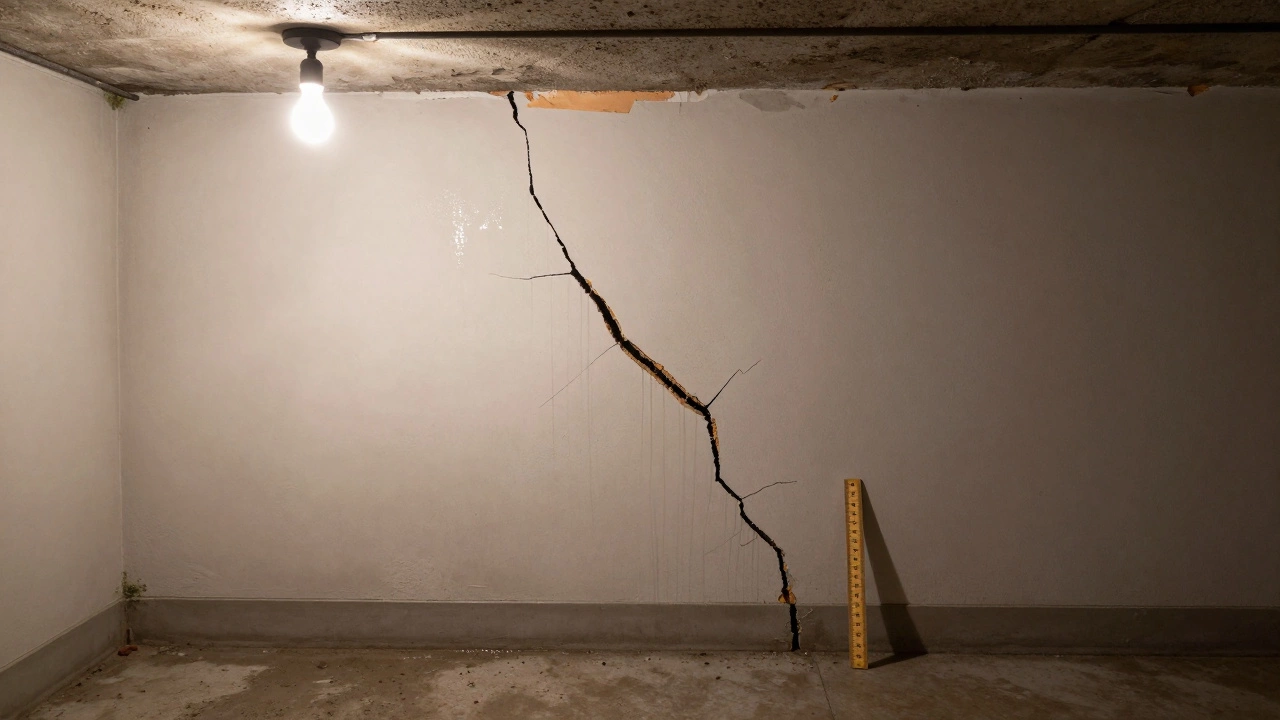
What Happens If You Don't Fix a Foundation Crack? Real Consequences in Vancouver Homes
Ignoring a foundation crack can lead to water damage, mold, structural failure, and major financial loss. In Vancouver’s climate, even small cracks worsen quickly-here’s what happens if you don’t act.
full article