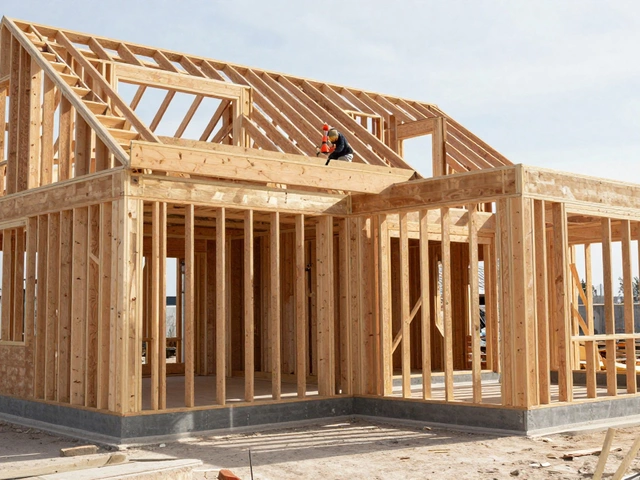
Construction Comparison: Choosing the Right Build Partner
When you hear Construction Comparison, the process of weighing different building options, firms, and methods to find the best fit for a project. Also known as construction evaluation, it saves time, money, and stress by highlighting what each option actually delivers.
One of the first choices in a comparison is the Builder, a tradesperson or small firm that carries out the hands‑on work on site. Builders often specialize in specific trades, like bricklaying or roof work, and they usually take direction from a client or a larger manager. By contrast, a Construction Company, an organization that plans, coordinates, and delivers whole building projects, from design to handover handles many parts of a job at once, including permits, scheduling, and subcontractor management. Construction comparison helps you see whether you need the focused skill set of a builder or the broader oversight a construction company provides.
Another key player in the mix is Home Renovation, any improvement work done to update, repair, or expand an existing residence. Renovation projects often involve both a builder and a construction company, especially when structural changes meet detailed finish work. Understanding the roles each can play prevents confusion and keeps budgets realistic. For example, a builder might excel at a kitchen remodel, while a construction company can manage a whole‑house extension that touches plumbing, electrical, and structural elements.
Three simple semantic connections guide any construction comparison:
- Construction comparison encompasses builder and construction company.
- Builder requires skilled tradespeople.
- Construction company often manages home renovation projects.
Cost is another angle that turns a simple choice into a strategic decision. A builder might quote a lower price for a straightforward job, but a construction company could save money in the long run by coordinating trades efficiently and avoiding re‑work. Look at the overall Construction Cost, the total expense of labor, materials, permits, and management for a building project rather than just the headline figure. A clear comparison reveals hidden fees, escalation clauses, and risk buffers that can affect your final bill.
What to Expect from This Collection
The posts below break down each piece of the puzzle. You'll find a side‑by‑side look at builder versus construction company roles, tips for modernizing furniture that often appears in renovation plans, and practical guides on storage, lighting, and even foundation settlement. Whether you’re a first‑time homeowner or a seasoned developer, this roundup gives you the context you need before you pick a partner.
Ready to dive deeper? Scroll down to explore detailed articles that turn the abstract idea of construction comparison into real‑world actions you can apply to your next project.

Commercial vs. Residential Construction: Which Is Better?
Deciding between commercial and residential construction isn't just about bricks and mortar—it's about understanding your goals and what each can offer. This piece explores the essential differences, including cost, scope, and future opportunities. Whether you're into building skyscrapers or cozy homes, knowing these differences can steer your next big decision. Discover practical insights and tips that lead you to the perfect choice.
full article