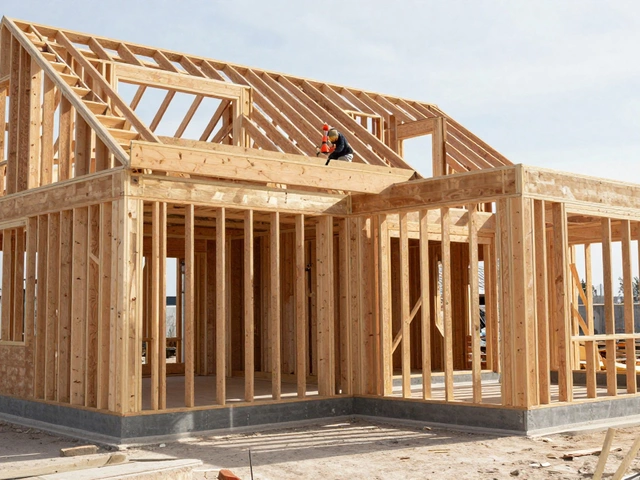
Construction: Expert Tips, Trends & DIY Guides
When working with construction, the process of planning, building, and maintaining structures for homes, businesses, and public spaces. Also known as building, it shapes the places where we live, work, and play.
Home renovation updating existing spaces to improve function, style, and value is a core part of construction. Most projects start by checking the structural health, picking materials that match the budget, and mapping out a realistic timeline. If you know how to assess walls, floors, and wiring, you can avoid costly surprises later. A well‑planned renovation often blends new finishes with the original character of the building, giving it fresh appeal without a full rebuild.
Roof replacement removing old roofing and installing new layers to protect a building from weather is another key task in construction. Choosing the right shingle, metal, or tile depends on climate, budget, and curb‑appeal goals. Proper ventilation and flashing prevent leaks, while a solid underlayment extends the roof’s life. The cost breakdown typically includes removal, disposal, decking repair, and material installation. Understanding these steps helps homeowners ask the right questions and keep the project on track.
Foundation settlement the gradual sinking or shifting of a building’s base over time can cause cracks in walls, doors that stick, and uneven floors. Detecting early signs—like sloping thresholds or water pooling—lets you bring in a structural engineer before damage spreads. Solutions range from simple soil stabilization to underpinning with concrete piles. Knowing how settlement influences construction planning saves you from expensive repairs and keeps the building safe for years.
Storage solutions methods and products used to keep belongings organized and safe within a building often intersect with construction when designing closets, built‑in cabinets, or garage shelves. Smart layout choices—like vertical shelving, pull‑out drawers, and modular units—make the most of limited space. When you plan storage early in a build, you avoid later retrofits that can compromise structural integrity. Good storage also protects furniture and keeps rooms looking tidy, which is a hidden benefit of thoughtful construction.
Beyond big‑ticket items, construction also covers smaller DIY projects that refresh a home’s look. For example, learning how to modernize an old table or add new hardware can give a room a fresh vibe without breaking the bank. These tweaks tie back to construction because they involve material selection, surface preparation, and finishing techniques that any builder or hobbyist uses. The same skills apply when you replace a light fixture, install a new countertop, or reinforce a wall for a hanging shelf.
Current trends in construction focus on sustainability, energy efficiency, and smart‑home integration. Recycled steel frames, low‑VOC paints, and high‑R-value insulation are common choices that lower a building’s carbon footprint. Meanwhile, automated lighting, thermostat controls, and moisture sensors make maintenance easier and reduce long‑term costs. Whether you’re tackling a full remodel or a modest upgrade, staying aware of these developments helps you make decisions that pay off both today and tomorrow.
Whether you’re tackling a small construction project or a large remodel, the tips below will help. Below you’ll find a hand‑picked set of guides covering everything from DIY table makeovers to roof cost breakdowns, so you can jump right in and get the job done right.

Architectural Services: What They Really Mean and Why They Matter
Curious what architectural services actually cover? This article breaks down what architects really do—from turning your wish-list into blueprints to guiding your build through rules and red tape. You’ll learn why most building projects need more than a sketch and a handshake. Get specific tips for making the most of your architect’s skills. Discover some surprising ways designers can save you headaches, money, and time.
full article
What Defines a Commercial Building?
Understanding what makes a building commercial is crucial for anyone in construction, real estate, or business planning. Commercial buildings are spaces meant for business activities, like retail, offices, or services. These buildings have specific features and zoning laws that separate them from residential ones. This article delves into what sets commercial buildings apart and explores interesting facts and practical tips related to their construction and use.
full article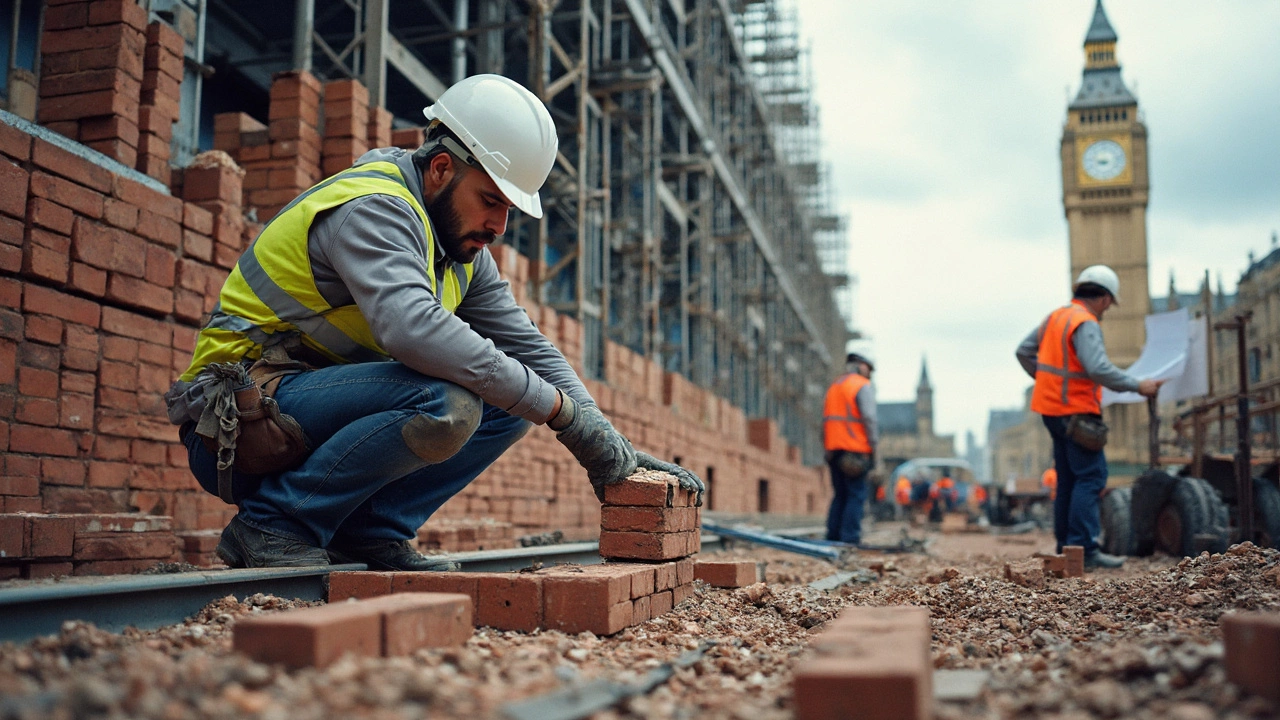
Understanding the Difference Between a Contractor and a Construction Company
When embarking on a construction project, knowing the difference between a contractor and a construction company can greatly impact the success of your endeavor. Contractors are typically individuals or small teams specializing in specific trades, while construction companies usually offer a full range of services. Understanding their roles, how they operate, and the benefits each can offer will help you make informed decisions for your project.
full article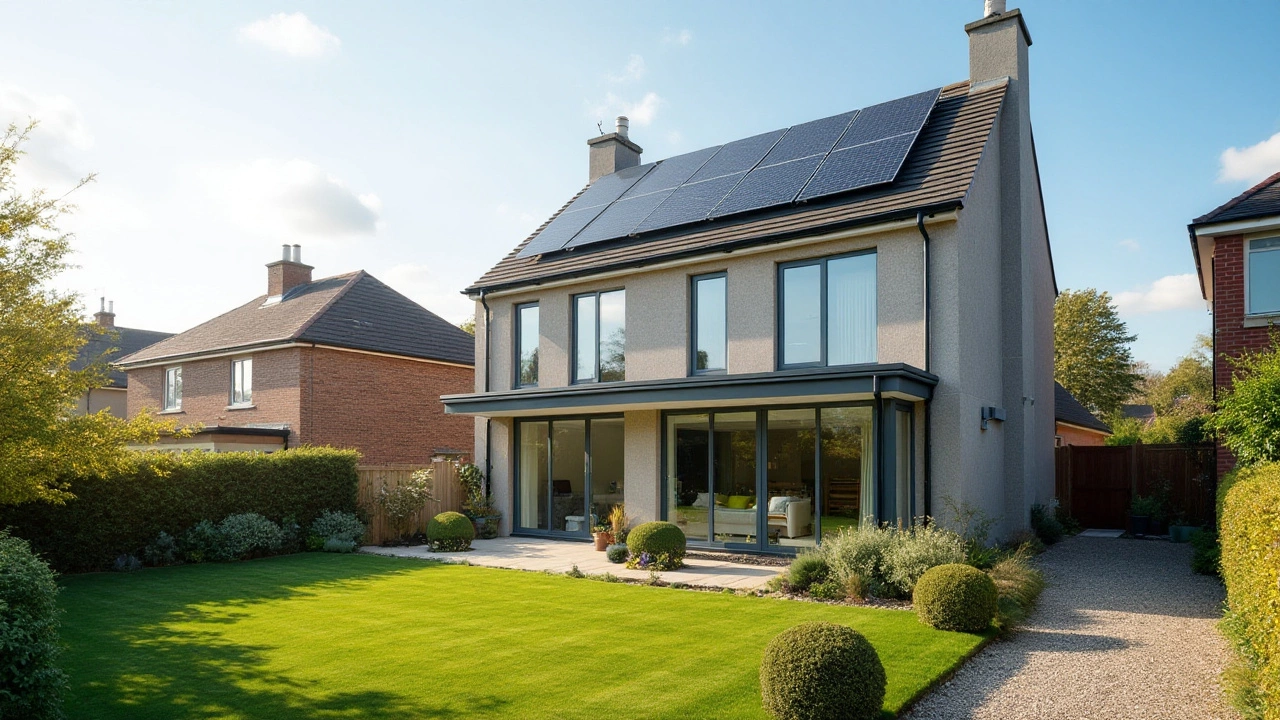
Understanding the Essence of New Build Homes
A new build refers to a property that has been freshly constructed and is often characterized by modern design, energy efficiency, and compliance with the latest building regulations. These homes are increasingly popular due to their innovative layouts and customizable options. Understanding new builds can greatly benefit potential homeowners in terms of investment and lifestyle. This article dives into the unique aspects of new builds, exploring what sets them apart and offering valuable tips for those considering such a property.
full article