Basement Water Damage: Signs, Causes, and How to Fix It
When basement water damage, the result of moisture entering below-ground living spaces, often leading to structural harm and health risks. Also known as water intrusion, it doesn’t always come from a burst pipe—it can creep in slowly through cracks, poor drainage, or even just damp soil. This isn’t just a wet floor problem. Left unchecked, it weakens concrete, warps wood, and invites mold that can ruin air quality and your health.
Most homeowners don’t realize foundation repair, the process of stabilizing or reinforcing a home’s base to prevent further water or structural damage is often the real fix, not just a sump pump. A small crack in the foundation, even if it looks harmless, can let in gallons of water over time. And if your basement smells musty or you see white chalky residue on the walls, that’s not dust—it’s efflorescence, a sign water has been moving through the concrete. mold prevention, the practice of controlling moisture to stop harmful fungi from growing in damp areas starts with stopping the water at the source, not just wiping it up.
Some people try sealing walls with paint or DIY kits, but those rarely last. Proper basement waterproofing, a set of structural and drainage methods designed to keep water out of below-grade spaces permanently means addressing the outside—grading the soil away from the house, cleaning gutters, installing French drains, or even adding interior drainage systems. It’s not glamorous, but it’s what professionals do when they want the fix to last.
What you’ll find in the posts below are real stories and clear advice from people who’ve dealt with this exact problem. From spotting the first signs of trouble to knowing when to call in a pro, these guides cut through the noise. You’ll see how foundation cracks, poor drainage, and old plumbing all connect to what’s happening in your basement—and what actually works to stop it.
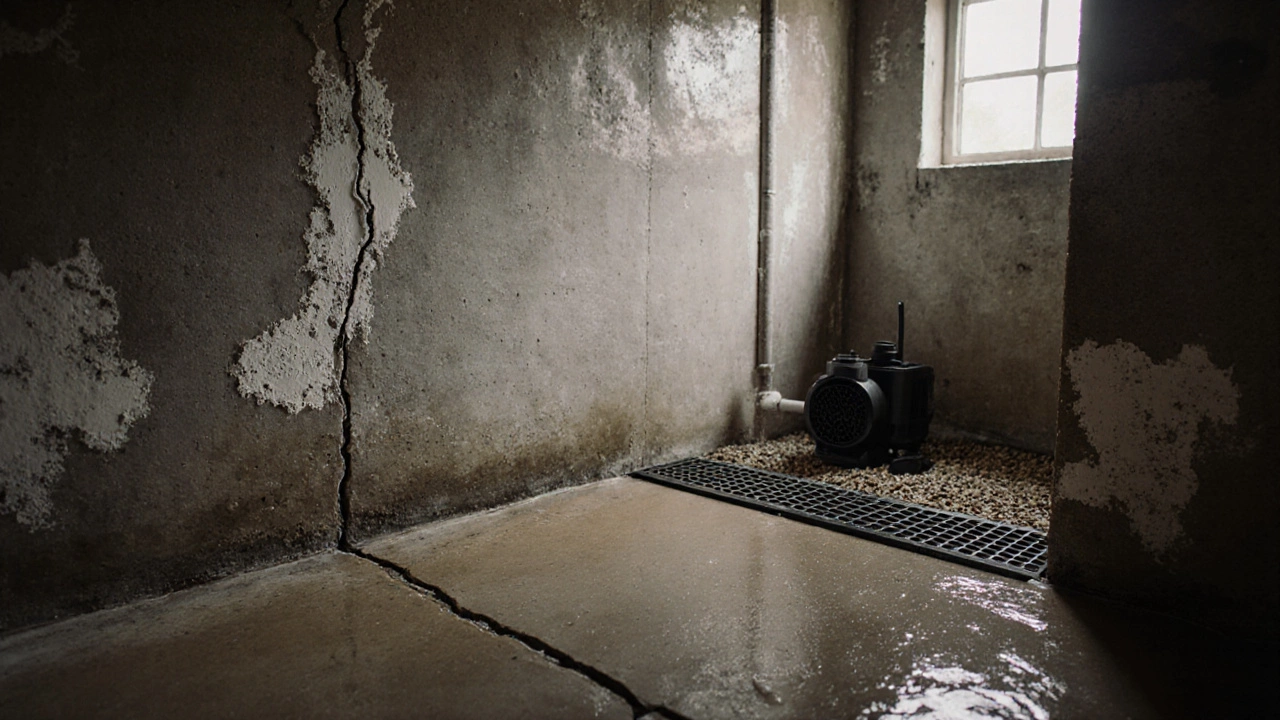
How to Stop Foundation Leaks from the Inside: Practical Fixes for Homeowners
Learn how to stop foundation leaks from the inside with practical, proven methods-without expensive exterior repairs. Fix cracks, install interior drainage, control humidity, and avoid common mistakes.
full article