65 inch TV: Choosing, Installing, and Getting the Most Out of Your Big Screen
When shopping for a 65 inch TV, a high‑definition, large‑format television designed for modern living rooms. Also known as big-screen TV, it becomes the focal point of home entertainment and often dictates the layout of the surrounding space.
Key Considerations Before You Buy
One of the first decisions is how you’ll mount the screen. A wall mount, a sturdy bracket that secures the TV to a stud or reinforced wall offers a clean look and frees up floor space. Make sure the mount’s weight rating exceeds the TV’s specs, use a stud finder to locate joists, and level the bracket to avoid glare. Proper mounting not only improves safety but also enhances the viewing angle, which is crucial for a screen that large.
Next, think about the TV’s built‑in intelligence. A smart TV, an internet‑connected television that runs apps, streams content, and often supports voice assistants lets you skip the cable box and stream 4K movies directly. Look for platforms you already use—whether it’s Netflix, Disney+, or a personal media server—and check whether the TV supports HDR formats like Dolby Vision for richer colors.
While the picture quality draws the eye, sound can make or break the experience. Pairing your screen with a soundbar, a slim speaker system that sits below the TV and delivers amplified, balanced audio is a quick win. Choose a model with Dolby Atmos or at least a dedicated sub‑woofer if you enjoy movies with deep bass. A soundbar reduces the need for a full‑size home‑theater speaker setup, keeping the room tidy.
If you want a cinema feel, expand to a full home theater, a coordinated system of large‑screen display, surround sound speakers, and ambient lighting. Position seating at a distance of about 1.5 to 2.5 times the screen diagonal—roughly 8 to 13 feet for a 65 inch TV—to get optimal immersion without eye strain. Add dimmable LED strips behind the TV to reduce glare and improve perceived contrast.
Energy use matters too. Modern 65 inch TVs with LED or OLED panels consume far less power than older plasma models. Check the Energy Star rating and consider using a programmable power strip to cut standby draw. Even a small reduction in wattage adds up over years of use.
Finally, remember that a 65 inch TV encompasses large‑screen entertainment, requires careful mounting, benefits from smart features, and shines brightest when paired with quality audio. Whether you’re upgrading your family room or setting up a dedicated media den, the tips above will help you make a confident decision. Below you’ll find articles that dive deeper into each of these areas, offering actionable advice you can apply right away.
How Much Bigger Is a 65-Inch TV Than a 60-Inch TV?
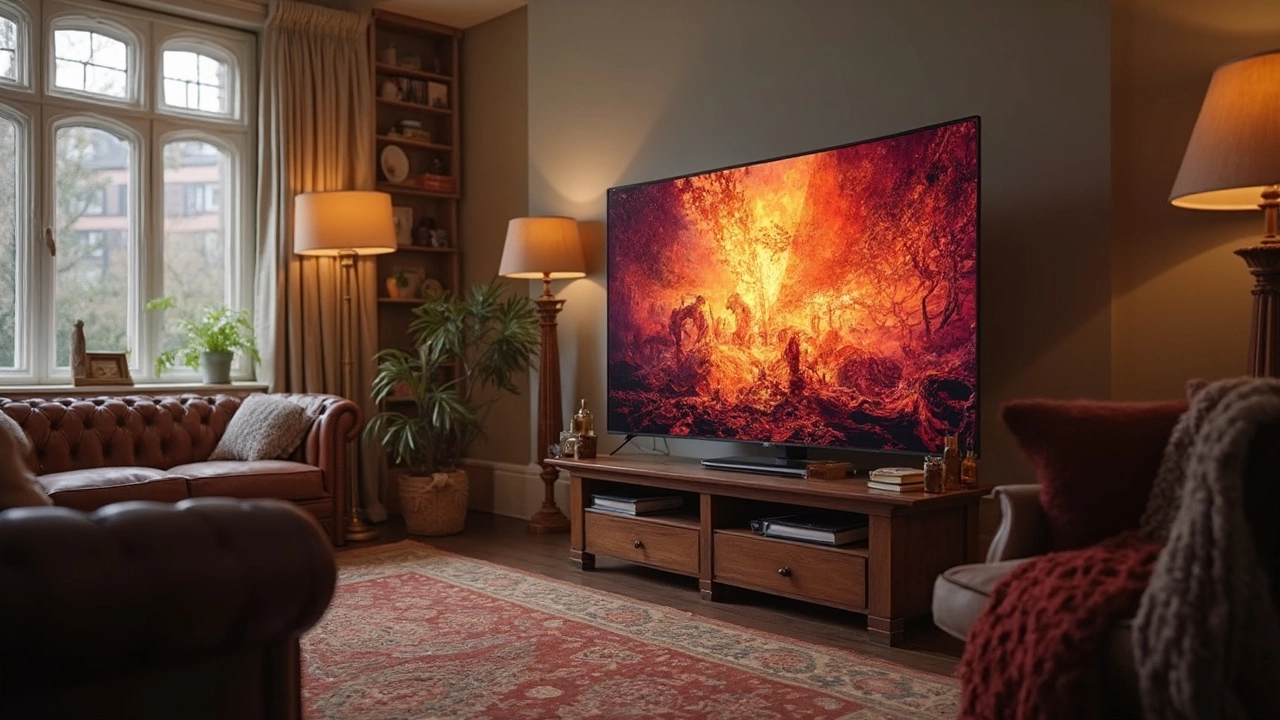
When choosing a TV, a seemingly small difference in screen size can actually impact your viewing experience quite a bit. A 65-inch TV might not seem significantly larger than a 60-inch model at first, but the additional screen real estate can enhance your entertainment setup. Understanding these differences is crucial, especially when considering TV stands and room arrangements in your home.
full article