60 40 Rule: Smart Budgeting for Home Projects
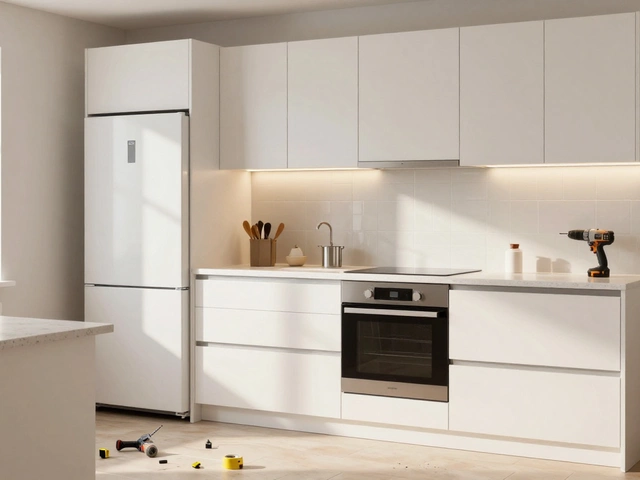
When working with 60 40 rule, a practical guideline that suggests allocating 60% of resources to core elements and 40% to finishing touches in home projects. Also known as 60/40 budgeting principle, it helps homeowners and builders keep costs and aesthetics in check. The rule works hand‑in‑hand with budget allocation, the process of dividing project funds between structural work and decorative finish. By reserving the larger share for foundations, walls, roofing, and plumbing, you guarantee a solid, long‑lasting base. The remaining 40% covers paint, fixtures, lighting, and decorative hardware, which are the details that give a space personality. This split isn’t rigid; it’s a flexible framework that adapts to project size, style goals, and local labour rates. In practice, the 60 40 rule enables you to avoid overspending on fluff while still delivering a polished look.
How Design Balance Enhances the 60 40 Rule
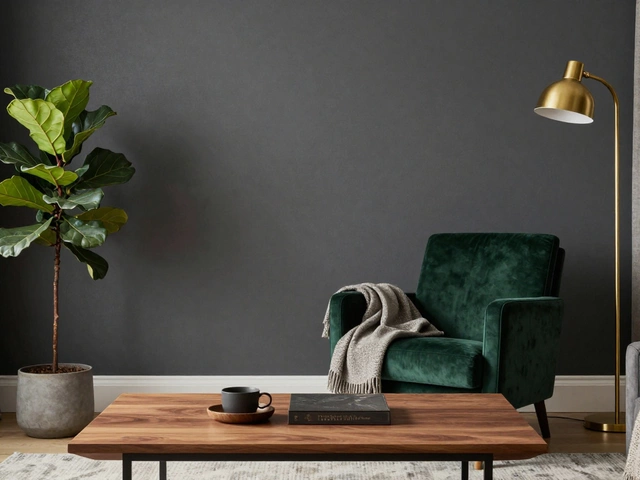
Beyond money, the rule influences design balance, the harmony between dominant features and accent pieces in a room. When 60% of the visual weight comes from large items—like a sturdy sofa, a solid countertop, or a bold wall color—the remaining 40% can be filled with cushions, art, or lighting that adds depth without overwhelming the space. This principle shows up in many of our articles: from choosing bathroom paint that makes a tiny room feel bigger, to picking curtain colors that complement a whole‑home palette. Applying design balance means you’re not just tracking pounds; you’re also managing visual proportion. A well‑balanced room feels cohesive, while an unbalanced one feels chaotic, even if the budget was perfectly adhered to. The 60 40 rule therefore serves as a bridge between financial planning and aesthetic planning, making it a go‑to tool for anyone tackling a remodel or a new build.
The rule also dovetails with broader home renovation, any improvement project that updates structure, systems, or style of a dwelling and the construction planning, the coordinated schedule of tasks, resources, and permits needed to finish a build. During the planning stage, contractors use the 60 40 split to sequence work: core structural tasks get booked first, followed by interior finishes once the building envelope is sealed. This sequencing reduces downtime, prevents re‑work, and keeps the project on track. The articles linked below illustrate these ideas in action—whether you’re deciding between a builder and a construction company, modernizing an old table, or figuring out the best curtain colors for 2024. All of them benefit from the same underlying logic: allocate resources wisely, balance design elements, and plan construction steps strategically. Keep reading to see real‑world examples of the 60 40 rule shaping budgets, designs, and timelines across a variety of home improvement topics.
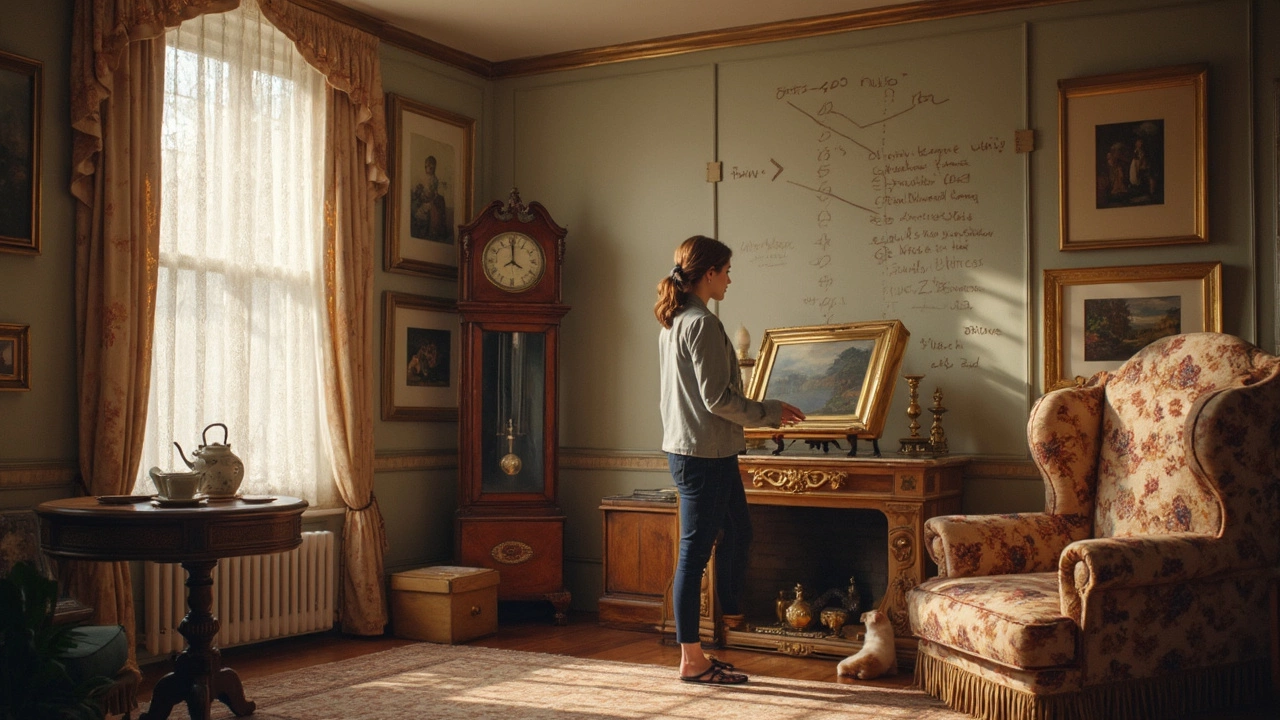
Understanding the 60 40 Rule in Interior Design for Wall Art
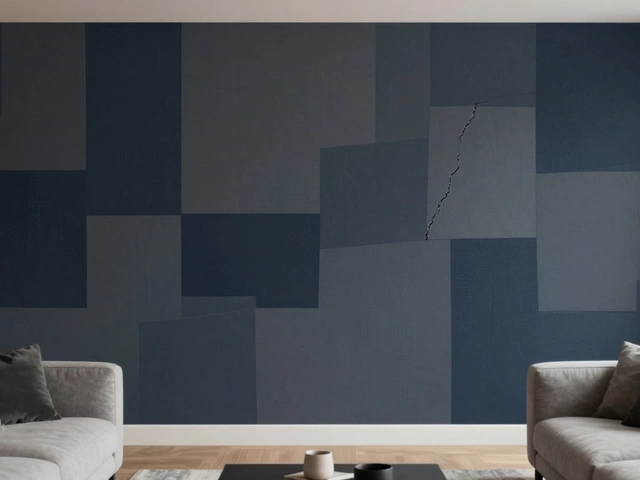
The 60 40 rule is a game-changer for enhancing your interior design with wall art. With a focus on balance and aesthetics, this rule guides you to use art pieces effectively within a space. Learn how this rule can help you avoid overwhelming your walls while maintaining a stylish look. Whether you're an art enthusiast or a design newbie, these insights will help you create harmonious and inviting environments. Discover practical tips to apply this concept in your home.
full article