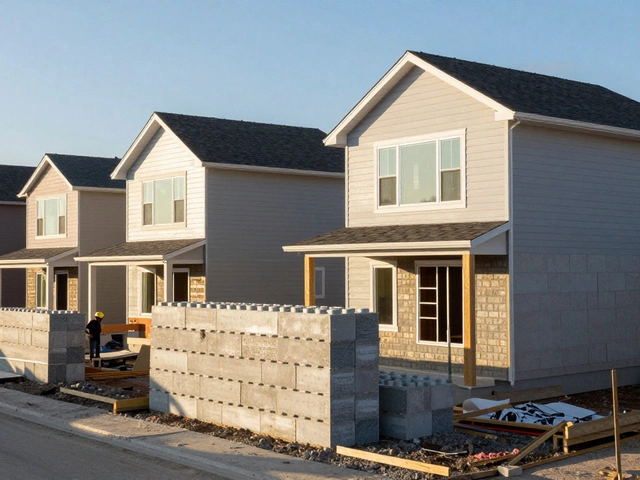
Structural Damage: What It Means and How to Spot It
When dealing with structural damage, any failure or weakness in a building’s load‑bearing parts that threatens stability. Also known as building defects, it can show up as cracks in walls, uneven floors, or doors that won’t close properly. Foundation repair, the process of correcting cracks, shifts, or moisture problems in a property's base is often the first line of defence because a solid foundation stops most other issues from spreading. House settling, the gradual sinking or shifting of a building over time is another common trigger – if the soil moves, the frame follows. Finally, loft conversion risks, potential structural complications when turning attic space into living area highlight how new work can expose hidden weaknesses. In short, structural damage encompasses foundation cracks, settlement movement, and conversion stress, and it requires professional assessment before the problem snowballs.
Why Early Detection Saves Money and Safety
Most homeowners think a small crack is harmless, but those lines often map the path of stress through the frame. If you ignore a foundation crack, moisture can seep in, freeze, and widen the gap – a classic cause of wall bulging. House settling after 20 years isn’t rare; the real issue is whether the movement is uniform or uneven. Uneven settlement creates torsion forces that can twist beams, leading to sagging roofs or wobbling stairs. Loft conversions add weight high up, increasing shear on joists; without proper reinforcement, the added load can accelerate settlement or even cause roof sag. The pattern is clear: one weak point can trigger a chain reaction, so catching the sign early means cheaper fixes and a safer home.
DIY fixes sound tempting, but the line between a simple patch and a structural overhaul is thin. A quick epoxy injection might seal a minor crack, yet it won’t address underlying soil movement or load‑bearing misalignment. Professional foundation repair typically involves soil testing, underpinning, or pier installation, each designed to restore true load paths. Similarly, a proper loft conversion requires engineered joist upgrades and, often, a new roof tie‑in. When you treat the symptom without fixing the cause, you’re just delaying the next, bigger repair bill.
Our collection of guides below walks you through the most common scenarios: from spotting early signs of foundation trouble, deciding when a DIY approach is safe, budgeting for a loft conversion that won’t compromise your roof, to understanding how long‑term settlement can affect an older home. Whether you’re a first‑time buyer worried about hidden cracks or a seasoned renovator adding a new level, the articles give you the context and steps needed to keep your property solid.
Ready to dive deeper? Below you’ll find practical advice, cost breakdowns, and step‑by‑step instructions that turn complex structural questions into clear actions you can take today.
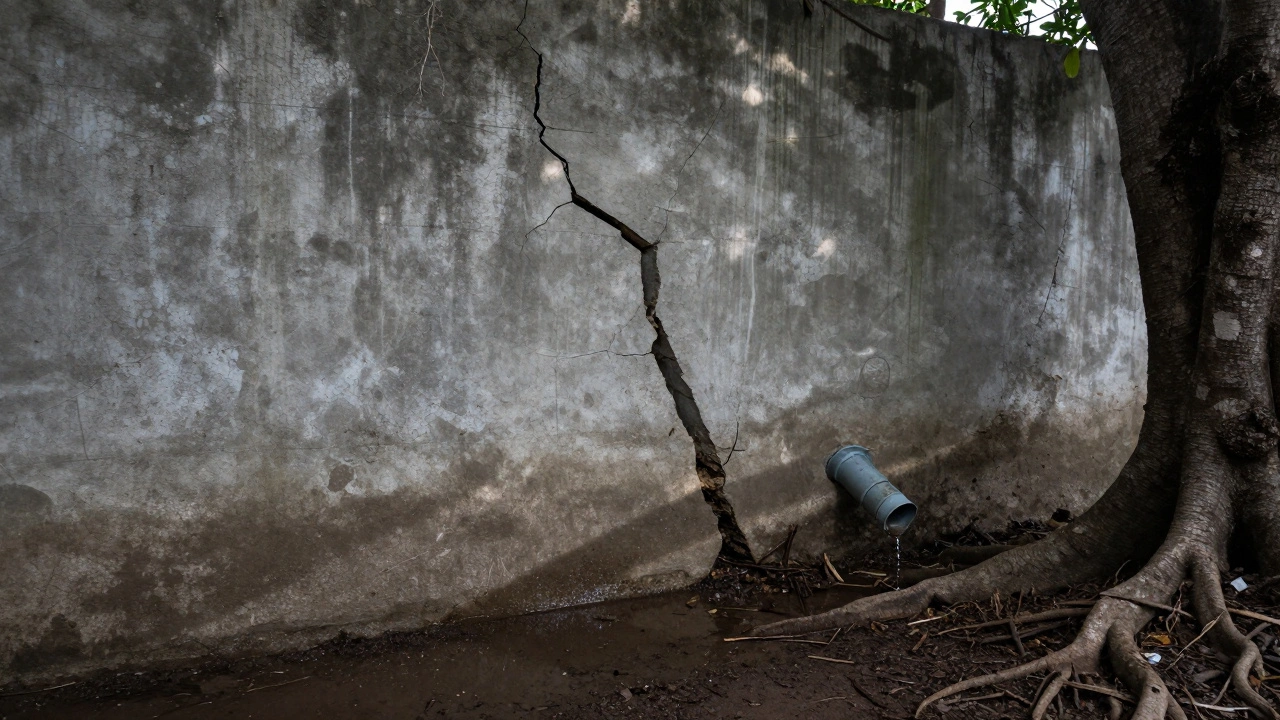
What Is Not Usually Covered by Building Insurance? Foundation Repair and Common Gaps
Building insurance rarely covers foundation repair unless caused by a sudden event like a storm or explosion. Most policies exclude gradual damage from soil movement, poor drainage, or aging materials. Know what’s truly covered before it’s too late.
full article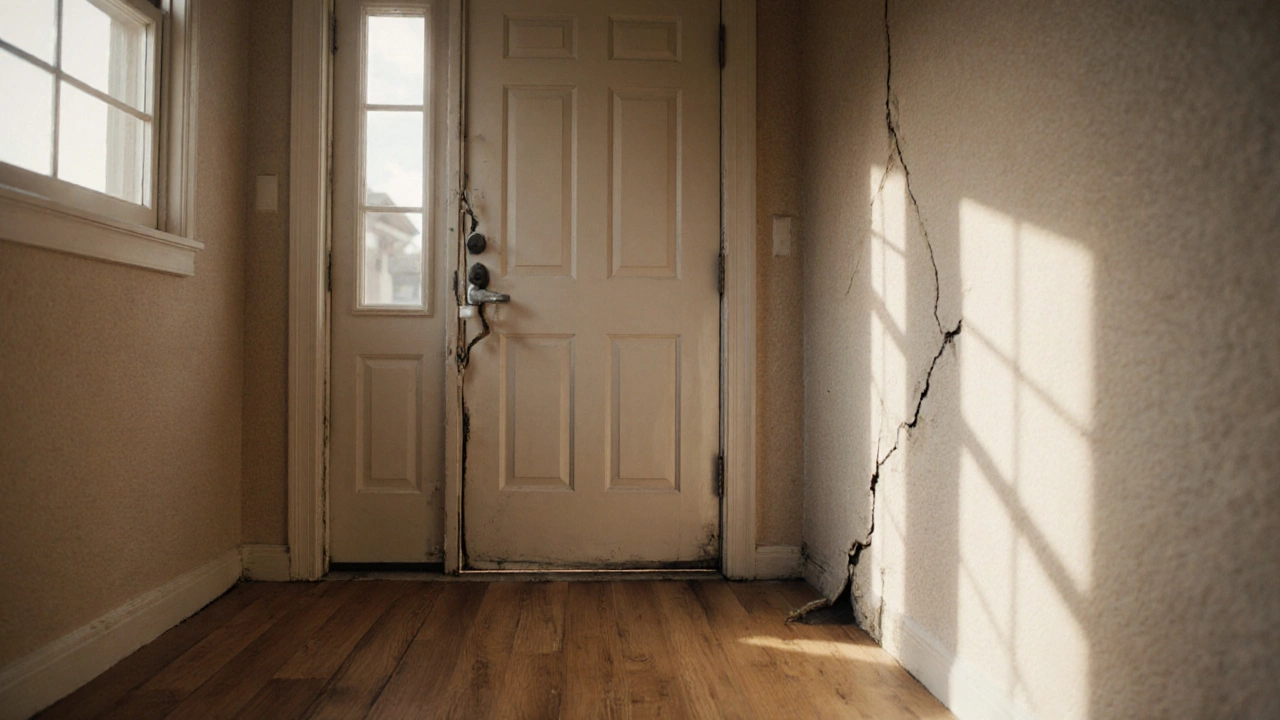
Major Foundation Issue: Definition, Signs, and Repair Guide
Learn what defines a major foundation issue, the warning signs, causes, assessment methods, repair options, costs and prevention tips for homeowners.
full article