Sleeping Positions
When thinking about sleeping positions, the ways you arrange your body while you sleep, from back‑to‑stomach to side‑lying. Also known as sleep postures, they shape how well you recover each night and how your furniture responds to you.
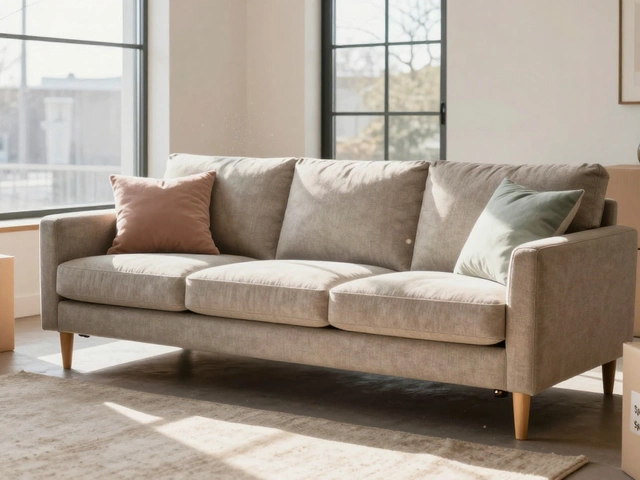
One of the biggest factors behind a good recliner, a chair designed to tilt back and support the body at various angles is its ability to match your preferred sleep posture. If you favor a semi‑upright position, a quality recliner can become a temporary sleep spot, especially in home offices or living rooms. Couch cushions, the padding inside sofas that provides comfort and support play a similar role; a firm yet forgiving cushion can help side sleepers stay aligned without sinking too deep. Both recliners and cushions need the right density and cover material to avoid creating pressure points that disturb your natural alignment.
Choosing the Right Furniture for Better Sleep
The link between sleeping positions and furniture goes beyond comfort. Furniture mold, growth of fungi on upholstery caused by moisture and poor ventilation can trigger allergies, making it harder to stay asleep in any position. Regularly checking for musty smells, keeping humidity below 60%, and using breathable covers can keep mold at bay. Likewise, tiny furniture mites, microscopic pests that thrive in warm, damp fabrics love the hidden seams of cushions and recliner fabrics; a quick vacuum and occasional sun‑drying session will reduce their numbers and improve the air you breathe while you rest.
Understanding how each sleeping position interacts with your bedroom set‑up helps you make smarter choices. Back sleepers benefit from a supportive, medium‑firm mattress and a pillow that keeps the neck neutral; side sleepers need a slightly softer surface and a pillow that fills the gap between head and shoulder; stomach sleepers require a firmer base to prevent the spine from arching. If your home lacks a dedicated bedroom, a well‑chosen recliner or a sofa with the right cushion firmness can serve as a functional alternative, provided you protect it from moisture and pests.
Now that you know how posture, recliners, cushions, mold, and mites all connect, you’ll see why picking the right pieces matters. Below you’ll find articles that break down each element in detail, from choosing the best recliner brand to spotting the signs of mold in stored furniture. Dive in to get practical tips that match your favorite sleeping position with the ideal home setup.

The Comfort and Health of Sleeping in a Recliner Every Night
Sleeping in a recliner can be a comfortable alternative to a bed, especially for those with specific health needs or preferences. This article explores the benefits and potential drawbacks of sleeping in recliners nightly, offering tips for selecting the best model and positioning for optimal rest. Discover how recliners can alleviate certain medical conditions and what to consider ensuring your sleep quality remains high.
full article