Resilient Homes: Building Strength That Lasts
When planning a resilient homes, homes designed to withstand time, weather, and everyday wear. Also known as hard‑wearing houses, they combine solid structure, smart maintenance, and adaptable design. Understanding the core ideas behind them helps you make choices that protect your investment.
Key Elements That Keep a House Standing Strong
One of the first pillars of a resilient home is a stable foundation. Foundation settlement the gradual sinking or shifting of a building’s base over time can cause cracks, uneven floors, and costly repairs. Monitoring soil moisture, ensuring proper drainage, and addressing early signs can stop small issues from becoming major disasters. This link between foundation health and overall resilience forms a clear cause‑and‑effect chain.
The roof is the next line of defense. Roof replacement the process of removing an old roof and installing a new, weather‑tight system not only protects against leaks but also improves energy efficiency. Choosing durable materials, checking ventilation, and scheduling professional inspections are steps that directly support a home's long‑term durability. In other words, a well‑maintained roof enables the house to resist storms and reduce heat loss.
Even when the structure is solid, everyday wear still shows up. Building repairs targeted fixes that restore or improve components like walls, windows, and fixtures keep the house functional and safe. Regularly inspecting for water damage, fixing cracked plaster, and updating aging hardware prevent small problems from spiraling. This proactive approach ties directly into the broader goal of resilience: small actions now avoid big headaches later.
Inside the walls, smart organization matters too. Home storage solutions strategies and furniture that maximize space while reducing clutter reduce strain on floors and keep living areas air‑flowing. Vertical shelving, multifunctional furniture, and decluttering routines help maintain structural integrity and improve everyday comfort. A tidy interior supports the structural health of the house by minimizing excess weight and moisture buildup.
Energy‑efficient renovations round out the resilience package. Upgrading insulation, installing low‑emissivity windows, and adding smart thermostats cut utility bills and lessen the building’s carbon footprint. These upgrades not only save money but also lessen the stress on heating and cooling systems, extending their lifespan. When a house uses less energy, it faces fewer performance issues, reinforcing its overall robustness.
All these pieces—solid foundations, reliable roofs, timely repairs, clever storage, and energy upgrades—work together to create a truly resilient home. In the articles below you’ll find in‑depth how‑tos, cost breakdowns, and practical tips that cover each of these areas. Whether you’re tackling a single project or planning a full‑scale remodel, the collection offers step‑by‑step guidance to make your house tougher and more comfortable.
Ready to dive into the specifics? Explore the curated posts next and start building a home that stands strong through whatever comes its way.
Building the Ultimate Durable Home: Top Materials and Techniques
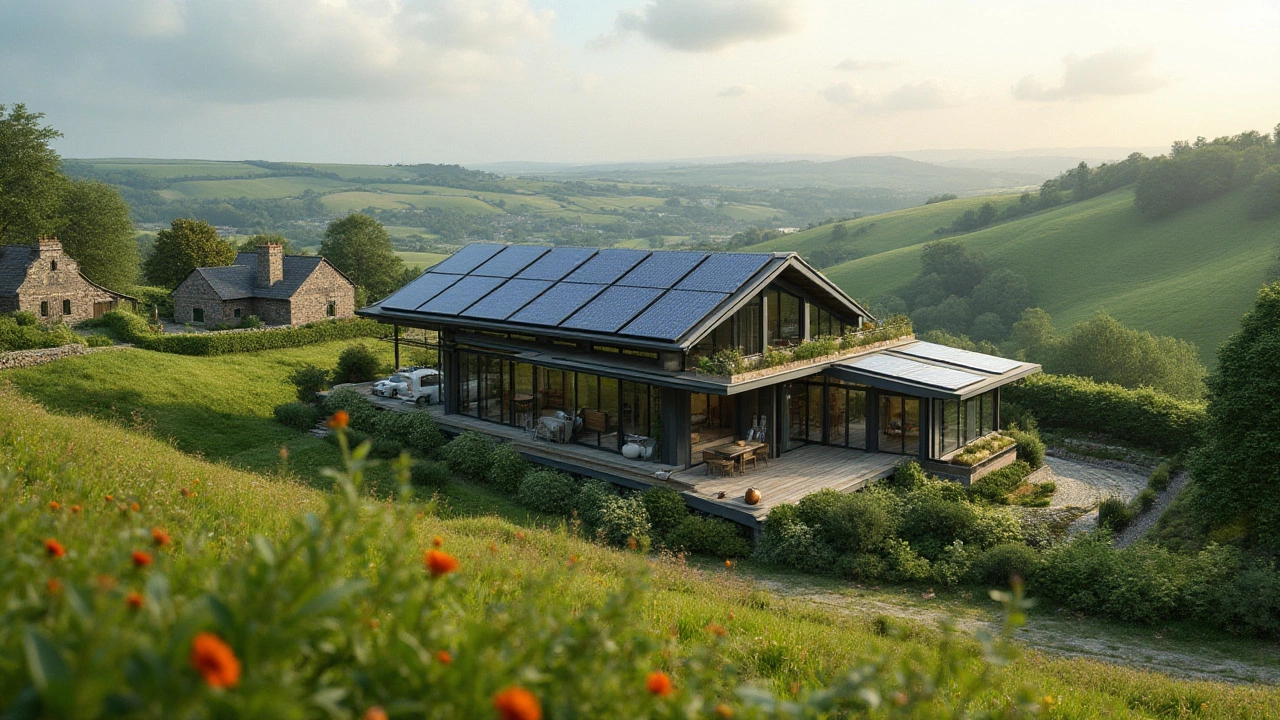
Building a durable house is essential for ensuring longevity and safety in the face of natural disasters and everyday wear. This article explores some of the most resilient building materials and innovative construction techniques that promise to stand the test of time. It provides insights into why certain materials, like concrete and steel, are favored for their strength. The article also delves into modern practices, such as green building and sustainable designs, that not only enhance durability but also reduce environmental impact. Whether you're planning a new build or renovating an existing structure, this information will be valuable.
full article