New Buildings: Design, Construction, and Maintenance Insights
When working with new buildings, freshly built structures that require careful planning, quality workmanship, and ongoing care. Also known as new construction, they serve as the canvas for modern living. A successful project often starts with a reliable construction company, a firm that handles everything from site preparation to final handover. Homeowners then move into home renovation, the process of customizing interiors, improving energy efficiency, and adding personal style. Throughout the building’s life, regular building repairs, maintenance tasks that keep the structure safe and functional are essential to protect the investment.
One of the first decisions in any new building project is choosing the right construction approach. Steel framing, timber studs, or modular panels each bring distinct strengths; steel offers durability, timber provides quick assembly, and modular units cut on‑site work time. Selecting a method influences everything from budget to timeline, and it also determines which kind of building repairs you’ll face later, like corrosion checks for steel or moisture monitoring for timber. Pairing the right construction technique with a skilled crew reduces future headaches and ensures the structure meets local regulations.
Key Elements That Shape a New Building’s Success
The design phase sets the tone. Architects blend aesthetics with functionality, considering room flow, natural light, and future expansion. When they incorporate sustainable materials, the building not only looks good but also lowers long‑term energy costs. This design work dovetails with the construction company’s planning; clear blueprints prevent costly rework and keep the schedule on track. Once walls go up, homeowners often turn to home renovation ideas—like updating fixtures, choosing timeless paint colors, or adding smart‑home integrations—that personalize the space without compromising structural integrity.
Maintenance doesn’t stop after the ribbon‑cut ceremony. Regular inspections of roofs, foundations, and HVAC systems catch issues early. For example, a roof inspection every two years can spot loose tiles before water damage spreads, while checking foundation moisture levels can prevent settlement problems in older neighborhoods. When a repair is needed, the same construction company that built the structure often provides the fastest, most compatible solutions because they understand the original methods and materials.
Furniture and interior elements also play a role in the overall health of a new building. Properly maintained furniture—especially pieces stored for long periods—avoids mold growth and extends lifespan. Simple steps like controlling humidity, using breathable covers, and rotating cushions keep interiors fresh, aligning with the broader goal of building longevity. When homeowners coordinate furniture care with building maintenance, they create a harmonious environment that looks and feels new for years.
All these pieces—construction choices, design vision, renovation tweaks, and ongoing repairs—interlock to form a resilient new building. Below you’ll find a curated set of articles that break down each area in detail, from choosing a construction partner to DIY renovation tricks and essential maintenance checklists. Dive in to get the practical advice you need for every stage of your building’s life.
Most Common Building Defects in New Builds
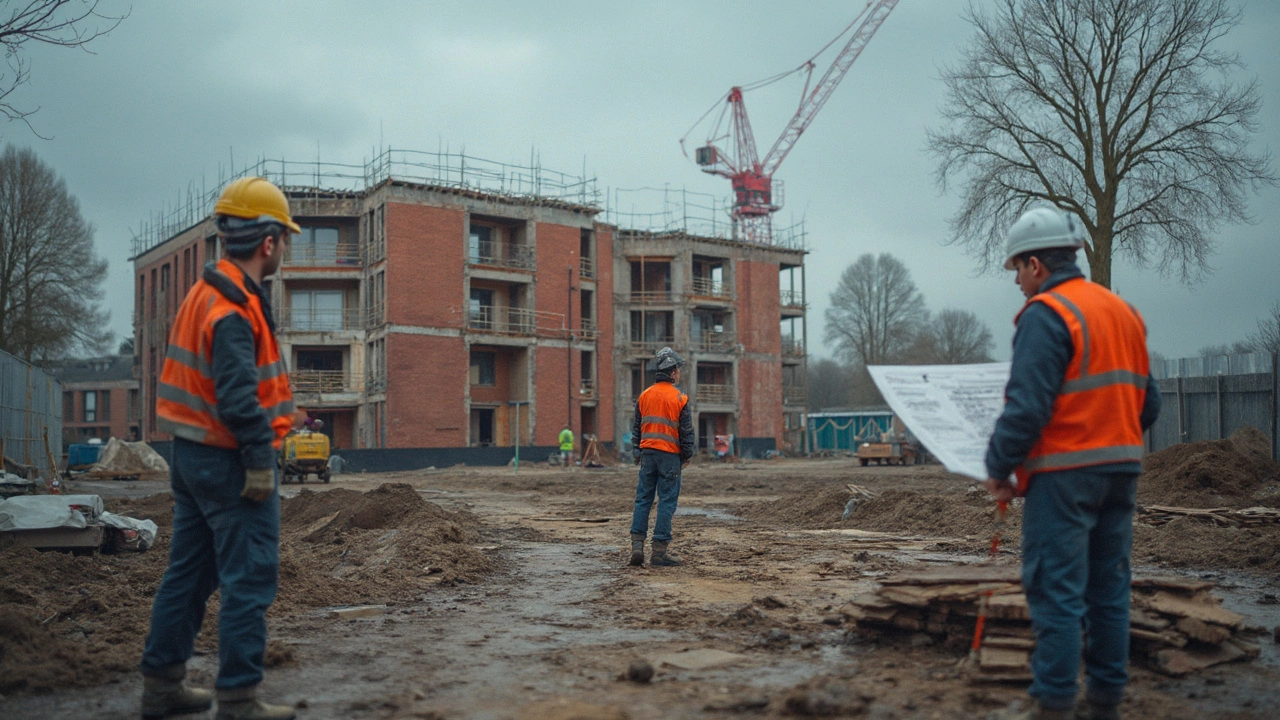
Exploring the most common defects found in new building constructions, this article provides insightful tips on identifying and addressing these issues. From foundational cracks to plumbing problems, learn the key areas that need attention. Understand why building defects occur and how you can prevent them in future projects. Practical advice empowers homeowners and buyers to handle defects effectively. Gain the knowledge you need to ensure your new build stands the test of time.
full article