Make Room Look Bigger: Practical Ideas to Open Up Any Space
If you want to make room look bigger, start by understanding what the phrase really means. When working with make room look bigger, the aim is to create an airy feel in a confined area. Also known as spatial expansion tricks, it blends visual tricks, layout tweaks, and smart décor choices.
One of the quickest ways to open up a space is by using the right paint colors, light, neutral hues that bounce light around the room. Soft whites, pale grays, and muted pastels reflect natural daylight, making walls appear farther away. This approach is especially effective in small bedrooms or cramped kitchens where windows are limited. Light paint doesn’t just hide imperfections; it also sets a calm backdrop that lets furniture and artwork stand out without crowding the eye.
Key Elements for a Bigger‑Feeling Room
Good lighting, strategic placement of fixtures and bulbs that mimic daylight is another cornerstone. Bright, evenly distributed light eliminates shadows that can make corners feel closed in. Use a mix of ceiling lights, floor lamps, and task lighting to layer illumination. Daylight‑mimicking bulbs with a high CRI (Color Rendering Index) keep colors true and prevent a dull atmosphere. When you pair these lights with reflective surfaces, the room feels larger than its square footage.
Effective storage solutions, clever furniture or built‑ins that hide clutter prevent visual noise. Think floating shelves, under‑bed drawers, or ottomans with hidden compartments. By lifting items off the floor, you free up floor space, which tricks the eye into seeing more room. Multi‑functional pieces, such as a coffee table with built‑in storage, keep everyday items out of sight while preserving a sleek silhouette.
Mirrors act like visual windows. Placing a large mirror opposite a window reflects both natural light and the view outside, effectively doubling the perceived space. Even a series of smaller mirrors arranged in a grid can break up a wall and add depth. The key is positioning: align the mirror so it captures the most light and the most attractive part of the room. This technique is a low‑cost way to expand any area, from entryways to bathrooms.
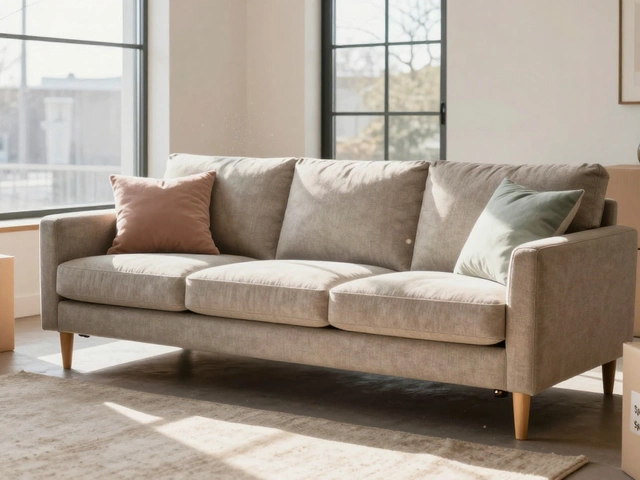
Furniture layout also plays a pivotal role. Avoid pushing all pieces against walls; instead, create float zones that let traffic flow. A well‑spaced sofa paired with a slim coffee table opens up the central area, while keeping pathways at least 3 feet wide ensures movement feels unrestricted. Moreover, choosing low‑profile furniture with exposed legs adds a sense of openness because the eye can see more floor.
When it comes to décor, less truly is more. Limit the number of accessories on each surface to avoid a cluttered look. Choose a few statement pieces—perhaps a bold rug or an eye‑catching artwork—and let the room breathe around them. This restraint supports the overall goal of making the space feel airy and uncluttered.
Finally, think about ceiling height. Even if you can’t raise the ceiling, you can mimic height with vertical lines. Tall bookshelves, vertical stripes in wallpaper, or elongated curtains that stretch from ceiling to floor draw the eye upward. This visual trick adds a sense of grandeur without any structural changes.
All of these tactics—light paint, layered lighting, smart storage, mirror placement, thoughtful layout, and visual height—work together to transform cramped rooms into welcoming, spacious areas. Below you’ll find a collection of articles that dive deeper into each strategy, offering step‑by‑step guides, cost breakdowns, and real‑world examples to help you put these ideas into practice.
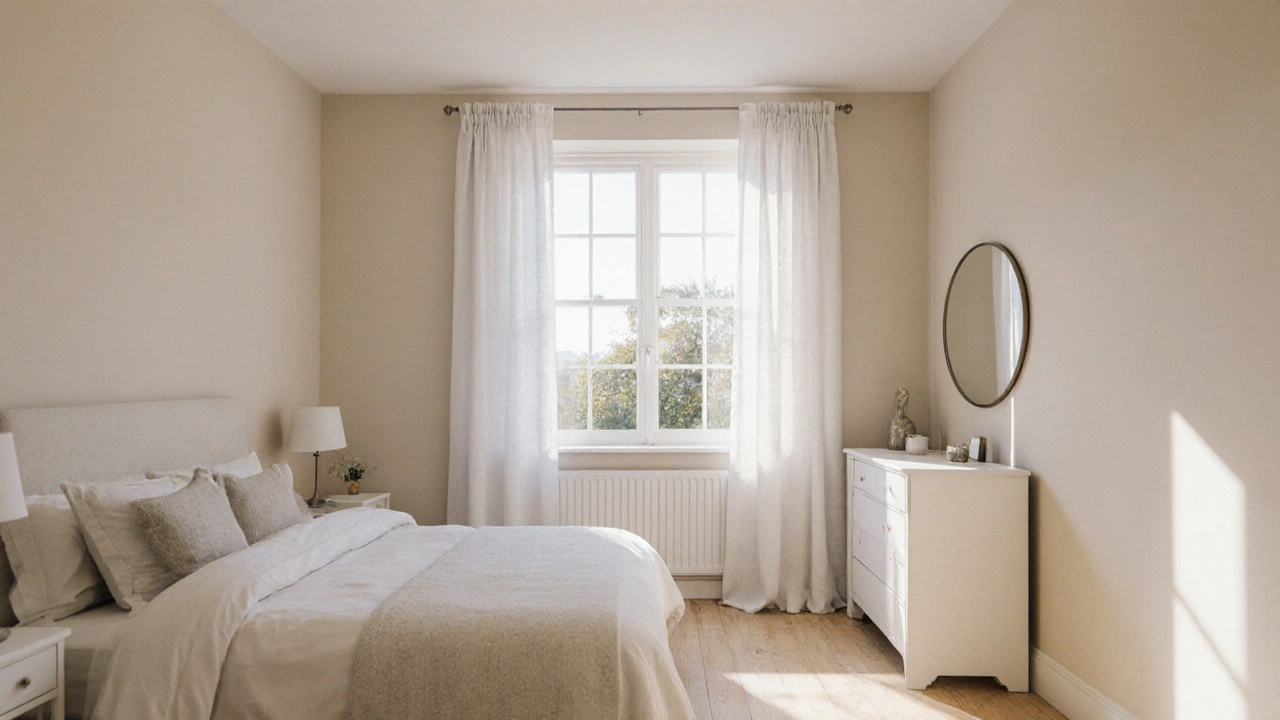
Best Curtain Colors to Make Any Room Look Bigger
Discover which curtain colors make a room appear larger, how to pair them with light and décor, and avoid common mistakes for a spacious feel.
full article