Major Foundation Issue: Understanding Causes, Risks, and Fixes
When dealing with major foundation issue, you’re looking at a serious problem where the building’s base shifts, cracks, or sinks, threatening structural integrity. Major foundation issue refers to any condition that compromises the stability of a house’s foundation, such as movement, settlement, or cracking Also known as foundation failure. It often shows up as uneven floors, wall cracks, or doors that stick. Common triggers include expansive clay soils that swell when wet, poor drainage that leaves water pooling under the slab, and tree roots that pry apart footings. Ignoring these early signs can lead to costly repairs down the line, so spotting the symptoms early is key.
Understanding the Risks
Most homeowners first think about foundation repair the process of correcting movement or damage to restore a stable base. Options range from pier installation, where steel or concrete piers are driven deep into stable soil, to slab jacking, which lifts a sunken concrete slab using hydraulic pressure. When the problem stems from house settling the gradual sinking of a structure due to soil compression or moisture changes, the solution often requires underpinning or drainage improvement to stop further movement. Slab foundations concrete slabs that sit directly on the ground, are especially vulnerable to moisture shifts and soil movement can develop hairline cracks that widen over time, indicating deeper stress. Typical costs vary: simple piering may start around £1,500, while extensive underpinning can exceed £10,000, depending on access and soil conditions. Knowing which method matches your situation helps you budget and avoid surprise expenses.
While some minor cracks can be patched with structural repair targeted fixes that reinforce load‑bearing elements, most major foundation issues exceed DIY limits. Attempting to lift a sinking slab without proper equipment can worsen the problem, create new cracks, and raise repair costs dramatically. Professionals bring geotechnical knowledge, specialized jacks, and insurance‑backed warranties that protect you if the work fails. A reputable contractor will first perform a thorough assessment—soil tests, level surveys, and moisture readings—to pinpoint the exact cause before recommending a fix. They also guide you on preventative measures like proper grading, gutter maintenance, and moisture barriers to keep the foundation healthy after repairs. Below you’ll find articles that break down warning signs, step‑by‑step DIY guidance where it’s safe, cost estimates for common repair methods, and advice on choosing the right contractor.
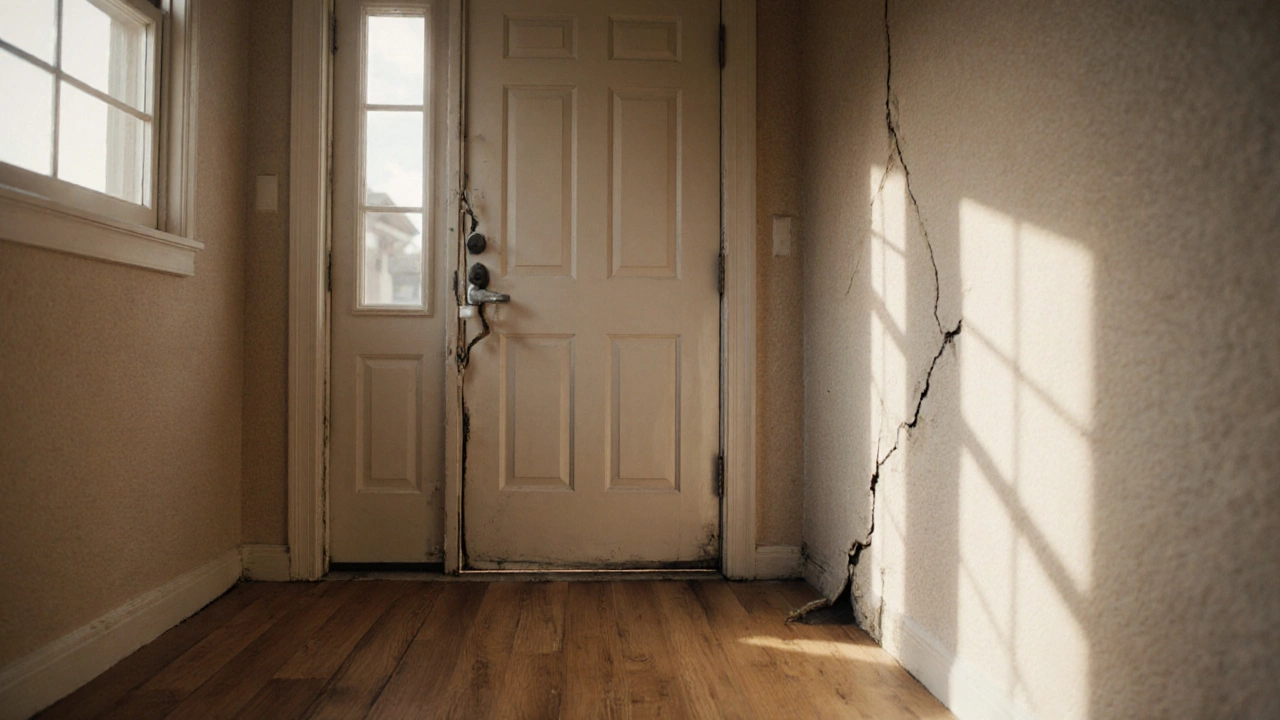
Major Foundation Issue: Definition, Signs, and Repair Guide
Learn what defines a major foundation issue, the warning signs, causes, assessment methods, repair options, costs and prevention tips for homeowners.
full article