Kitchen Remodel: Planning, Design, and Execution
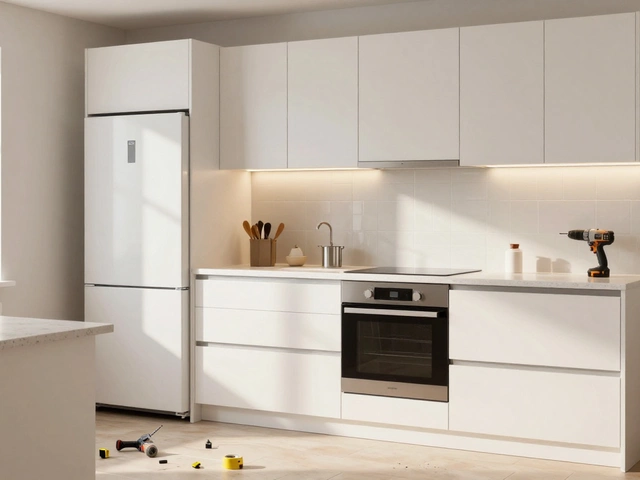
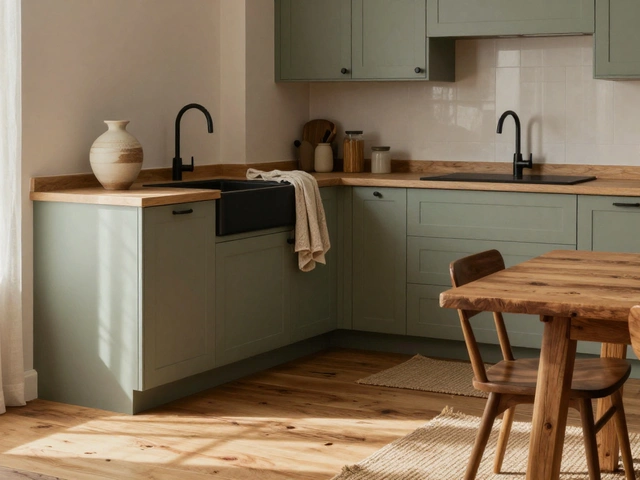
When tackling a kitchen remodel, the process of updating a kitchen’s layout, finishes, and fixtures to improve function and style. Also known as kitchen renovation, it often starts with the core elements that define the space. One of those core elements is kitchen cabinets, the storage units that line the walls and define the workflow. Upgrading cabinets can change the room’s look from dated to sleek, and it influences how you organize dishes, pots, and pantry items. Another key piece is countertops, the work surfaces where food is prepared, which come in materials like quartz, granite, or laminate. Choosing the right countertop material not only affects durability but also sets the visual tone for the entire kitchen. Finally, kitchen lighting, the combination of ambient, task, and accent lights that make the space functional and inviting is essential; good lighting enhances safety while highlighting design details. Together these three entities—cabinets, countertops, and lighting—form the backbone of any successful remodel. In practice, kitchen remodel encompasses cabinet upgrades, requires thoughtful countertop selection, and benefits from strategic lighting placement. Each decision interacts with the others: a light-colored countertop may call for darker cabinets for contrast, while bright lighting can make a small kitchen feel larger. Understanding these relationships helps you avoid costly missteps and keeps the project on track.
Key Areas to Consider in a Kitchen Remodel
Beyond the core trio, several related entities shape the final outcome. The backsplash, the decorative panel that protects walls behind the stove and sink ties together cabinets and countertops, offering a chance to inject color or pattern without overwhelming the space. flooring, the material covering the kitchen floor, ranging from hardwood to tile must handle spills and heavy traffic, and its tone should complement the other finishes. Modern appliances—like energy‑efficient ovens, induction cooktops, and smart refrigerators—play a functional role and can become focal points when chosen wisely. Storage solutions such as pull‑out pantry shelves or deep drawer organizers improve usability, while a clear budget plan ensures you allocate funds where they matter most, often favoring durable surfaces over high‑end gadgets. The semantic link here is clear: a well‑planned kitchen remodel integrates backsplash design, flooring choice, appliance selection, and storage strategy to create a cohesive, functional, and attractive environment. By viewing each element as part of an interconnected system, you can prioritize upgrades that deliver the biggest impact, whether that’s a sleek quartz countertop that resists staining or LED lighting that highlights a new tile backsplash. The posts below dive deeper into each of these topics, offering step‑by‑step guides, cost‑saving tips, and real‑world examples to help you move from inspiration to a finished kitchen you’ll love.

Kitchen Design App: Can You Really Plan Your Dream Kitchen on Your Phone?
Ever wonder if there's an app that lets you design your kitchen without needing a designer or expensive software? This article breaks down the top kitchen design apps, what features they offer, what you should watch out for, and tips to help you actually use one to plan your space. Get ready for practical advice on how these tools work in real life, not just in ads. Cut through the confusion and find out if designing your kitchen on your phone is all it’s cracked up to be.
full article