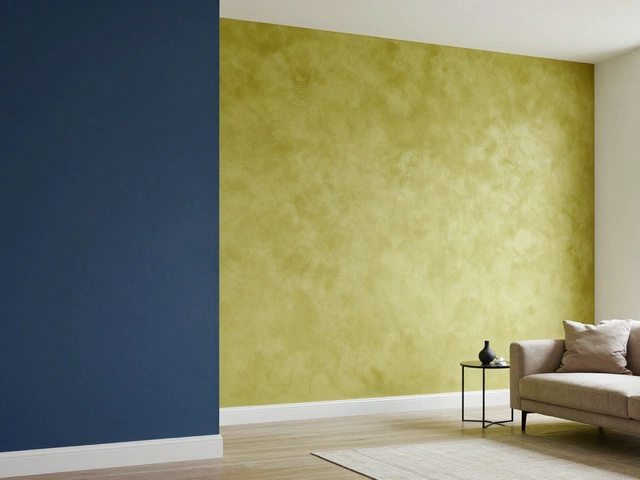
Furniture Layout: How to Make Every Room Work
When thinking about furniture layout, the way you arrange chairs, tables, shelves and other pieces inside a space. Also known as room arrangement, a good furniture layout balances movement flow, visual harmony and functional zones. It encompasses space planning, the process of dividing a room into purposeful areas and deciding where each item belongs while also considering the overall style of the home.
Why does this matter? A well‑planned layout can make a cramped studio feel airy, while a poor layout can turn a spacious loft into a maze. Effective furniture layout requires smart storage solutions, because the amount of usable surface directly depends on how much clutter you keep out of sight. Think of home organization, the habit of sorting, storing and maintaining belongings in a tidy way as the invisible partner that lets your layout breathe. When you pair good organization with thoughtful interior design—interior design, the art of choosing colors, textures and furniture styles that create a cohesive look—the result is a room that feels both stylish and livable.
Key Elements That Shape a Smart Furniture Layout
First, start with the room’s purpose. A home office needs a desk positioned for natural light, while a living room should center around a conversation spot. Once the primary function is clear, map the traffic flow. A rule of thumb is to leave at least 2‑3 feet of walking space between furniture pieces; this keeps the flow smooth and avoids bump‑ins. Next, consider modular furniture. Pieces that can be reconfigured—like sectional sofas, stackable chairs or adjustable shelving—give you the flexibility to adapt the layout as your needs change.
Second, use storage strategically. Built‑in cabinets, under‑bed drawers, or wall‑mounted shelves free up floor space, letting you keep the layout uncluttered. When storage is hidden, the visual weight of the room drops, allowing the arrangement to feel lighter. Third, play with scale and proportion. A huge armchair can dominate a small bedroom, while a delicate coffee table may get lost in a large lounge. Match the size of each item to the room’s dimensions to maintain balance.
Finally, let the design language guide the arrangement. If you’re aiming for a minimalist look, keep pieces low‑profile and spaced apart; for a cozy, layered feel, group furniture in intimate clusters and add soft textiles. The color palette also influences perception—light hues on large pieces can make a room feel bigger, while darker tones add depth without shrinking the space.
All these factors—purpose, traffic flow, modular flexibility, storage, scale and design—interact like pieces of a puzzle. When you line them up correctly, the furniture layout becomes more than a placement plan; it turns into a functional, attractive environment that serves everyday life.
Below you’ll find a curated set of articles that dig deeper into each of these ideas. From DIY table makeovers to storage hacks, from choosing the right curtain colors to protecting furniture from mold, the collection offers practical steps you can apply right now. Dive in and discover how a few adjustments can transform any room into a well‑organized, stylish, and comfortable space.
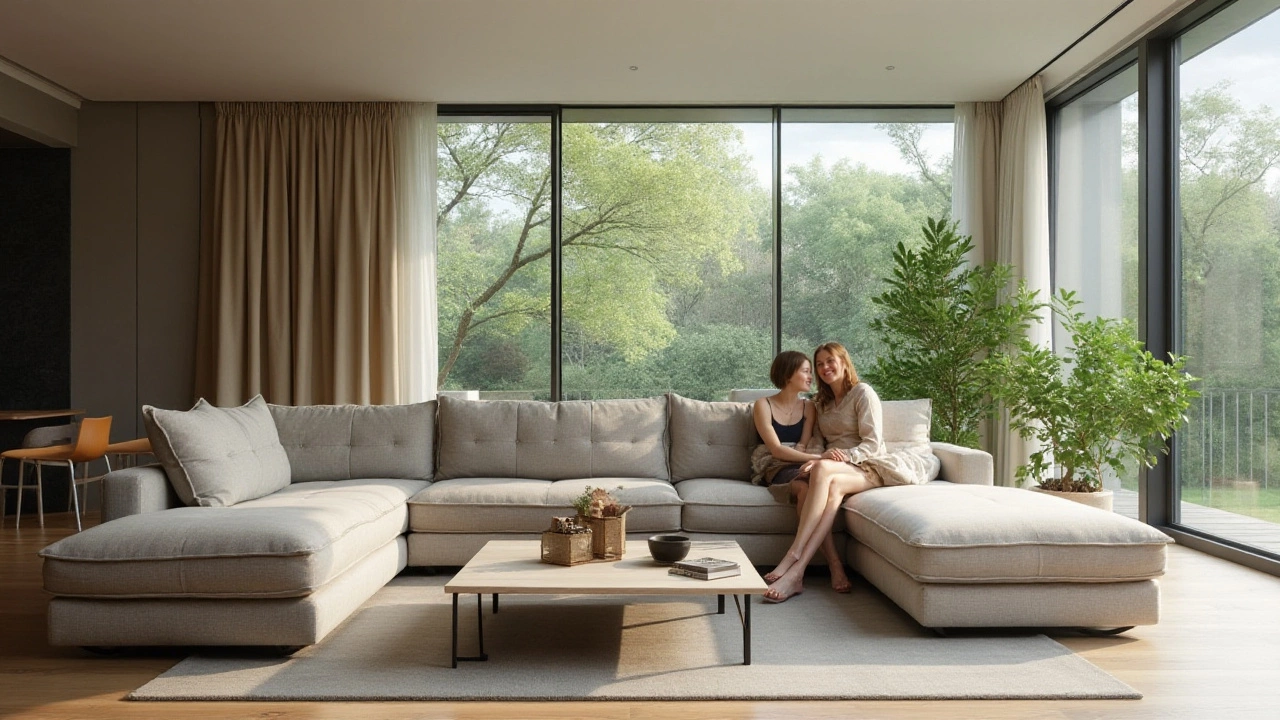
Optimal Couch Placement: The Debate about Positioning against a Wall
Deciding whether to position a couch against a wall can significantly impact the aesthetic and functionality of a living space. While traditional designs often prefer couches against walls for stability and space efficiency, modern interiors explore floating arrangements to create more dynamic and social layouts. The article explores factors influencing this decision, including room size, flow, and personal style, offering practical tips for homeowners to make the most of their space. Whether adopting new design trends or sticking to classic layouts, there's an art to couch placement that blends form and function.
full article