Foundation Cracks: What They Are and Why They Matter
When dealing with foundation cracks, visible splits in a building's base that can threaten structural integrity. Also known as foundation fissures, it signals that the underlying soil or load-bearing elements are moving. A nearby related concern is house settling, the gradual sinking of a home into the ground as soil compresses, which often creates the first signs of foundation cracks. Another key entity is moisture intrusion, excess water that seeps into the soil and expands clay, pushing against the foundation. Finally, structural issues, problems like overloaded beams or poor construction practices can also manifest as cracks. Understanding how these elements interact helps you catch problems early and plan effective repairs.
How Foundation Cracks Form: Core Causes Explained
First, house settling creates uneven pressure on the slab or footings; when one side drops faster than the other, the concrete stretches and cracks—this is a classic case of the semantic triple: "Foundation cracks indicate house settling." Second, soil movement due to expansion and contraction of clay, freeze‑thaw cycles, or erosion can shift the foundation outward or inward, leading to horizontal cracks. Third, moisture intrusion adds another layer of stress. When water saturates the soil, it expands, lifting the foundation and causing vertical splits. Fourth, structural overload—such as adding heavy equipment or removing supporting walls—exceeds the design load, forcing the foundation to deform. Each of these causes ties back to the central entity: "Foundation cracks require thorough diagnosis of underlying forces." Recognizing the pattern—whether cracks are diagonal, vertical, or horizontal—gives clues about which cause dominates. For example, stair‑step cracks often point to differential settlement, while long horizontal cracks suggest soil pressure or moisture pressure. By matching crack type to cause, you can decide whether you need soil remediation, drainage improvement, or structural reinforcement.
Now that you know what to look for, the next step is assessment and repair. Start with a visual inspection: measure crack width, length, and direction, and note any active water leaks nearby. A professional can perform a moisture test and soil analysis to confirm the source. Common repair paths include epoxy injection for minor splits, carbon fiber reinforcement for larger structural cracks, and installing French drains or waterproof membranes to combat moisture intrusion. Preventive actions—like grading the yard away from the house, maintaining consistent humidity levels, and avoiding heavy loads on the foundation—reduce future cracking. Below, you’ll find a curated set of articles that walk through everything from DIY inspection tips to choosing the right contractor, helping you turn a scary crack into a manageable project.
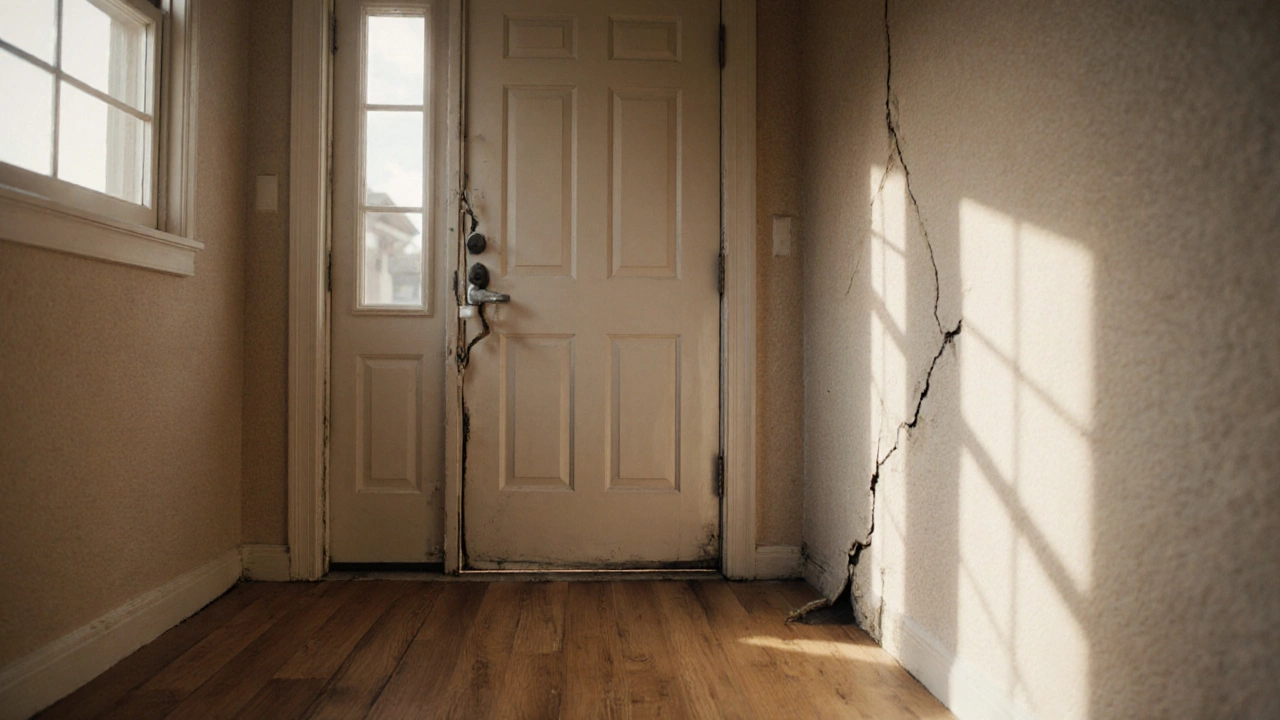
Major Foundation Issue: Definition, Signs, and Repair Guide
Learn what defines a major foundation issue, the warning signs, causes, assessment methods, repair options, costs and prevention tips for homeowners.
full article
What Does a Bad Foundation Crack Look Like?
Spotting a bad foundation crack early could save you a bundle and prevent extensive damage to your home. This guide breaks down what to look for, explains why some cracks are worse than others, and offers practical advice on dealing with serious foundation problems. Learn to distinguish between harmless and harmful cracks to keep your home safe and sound.
full article