Durable Homes: How to Build, Preserve, and Upgrade for Longevity
When thinking about Durable Homes, houses designed to withstand time, weather, and everyday wear. Also known as long‑lasting houses, they rely on solid construction, regular upkeep, and smart upgrades. A durable home isn’t just a sturdy wall; it’s a blend of design, materials, and habits that keep a property safe and comfortable for decades.
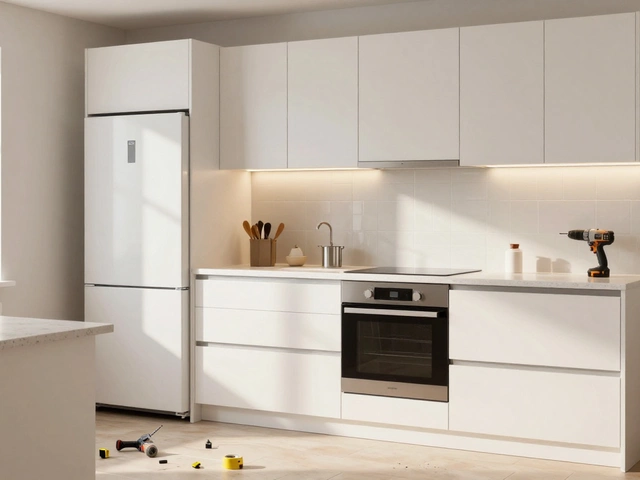
Home Renovation, the process of updating a property’s layout, finishes, or systems plays a crucial role in durability. When you remodel a kitchen, replace flooring, or modernize a bathroom, you’re not only refreshing the look—you’re addressing hidden wear that could become costly later. Renovation also lets you install energy‑efficient windows, moisture‑resistant insulation, and durable fixtures, all of which boost a house’s ability to stay dry, warm, and structurally sound.
Another pillar is Structural Integrity, the capacity of a building’s framework to bear loads and resist deformation. This attribute links directly to foundation health, roof stability, and wall strength. For example, a well‑maintained roof prevents water infiltration that weakens beams, while a stable foundation stops settlement issues that can tilt doors or crack ceilings. Maintaining structural integrity means regular inspections, timely repairs, and using quality materials that match the original build.
These three concepts—durable homes, home renovation, and structural integrity—form a tight semantic triangle: durable homes require solid structural integrity, and structural integrity is often reinforced through thoughtful renovation. Add to that the influence of smart maintenance, and you’ve got a full ecosystem that keeps a house resilient.
Smart maintenance covers everything from cleaning gutters to checking for damp in basements. Simple habits like clearing debris from roof troughs, sealing exterior cracks, and scheduling annual inspections can catch problems before they spread. When you pair maintenance with proactive upgrades, you reduce the likelihood of expensive emergency repairs, which aligns with the goal of a lasting, low‑stress living environment.
Energy efficiency also intersects with durability. Installing high‑performance insulation and double‑glazed windows reduces thermal stress on walls and roofs, extending the life of those components. Plus, lower heating and cooling loads mean less wear on HVAC systems, further contributing to a house’s overall lifespan.
In practice, building a durable home involves three steps: evaluate the current condition, plan targeted upgrades, and set a maintenance schedule. Start by walking the property and noting any cracks, water stains, or squeaky doors. Next, prioritize upgrades that address the biggest risks—roof repair, foundation leveling, or bathroom waterproofing. Finally, create a calendar for seasonal tasks like gutter cleaning, furnace checks, and exterior paint touch‑ups.
Below, you’ll find a hand‑picked selection of guides that dive deeper into each of these areas. From choosing the right contractor to spotting early signs of foundation movement, the articles are packed with actionable tips that can help you turn any house into a truly durable home.
Building the Ultimate Durable Home: Top Materials and Techniques
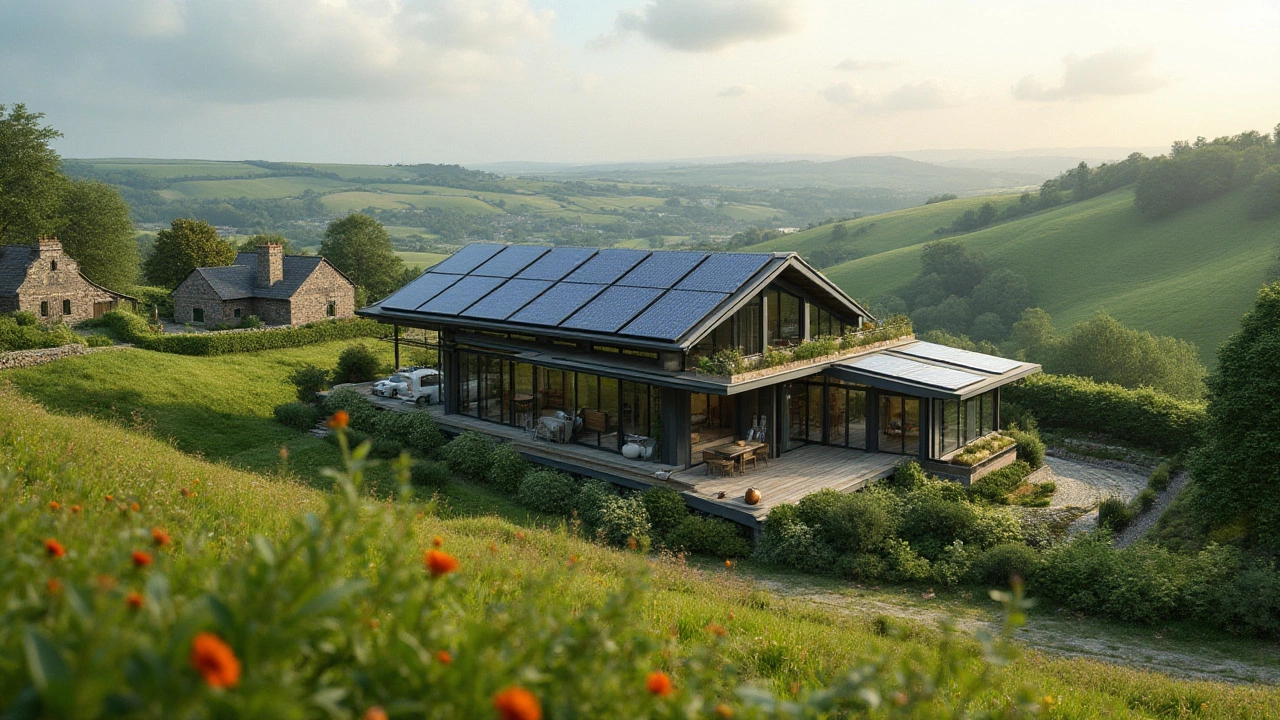
Building a durable house is essential for ensuring longevity and safety in the face of natural disasters and everyday wear. This article explores some of the most resilient building materials and innovative construction techniques that promise to stand the test of time. It provides insights into why certain materials, like concrete and steel, are favored for their strength. The article also delves into modern practices, such as green building and sustainable designs, that not only enhance durability but also reduce environmental impact. Whether you're planning a new build or renovating an existing structure, this information will be valuable.
full article