Design Your Kitchen: From Concept to Reality
When you design your kitchen, you are creating a space where cooking, gathering, and daily routines meet. Also known as kitchen design, it blends function and style to fit your lifestyle and budget. In this guide we’ll walk through the main decisions, so you can move from a vague idea to a clear plan without feeling overwhelmed.
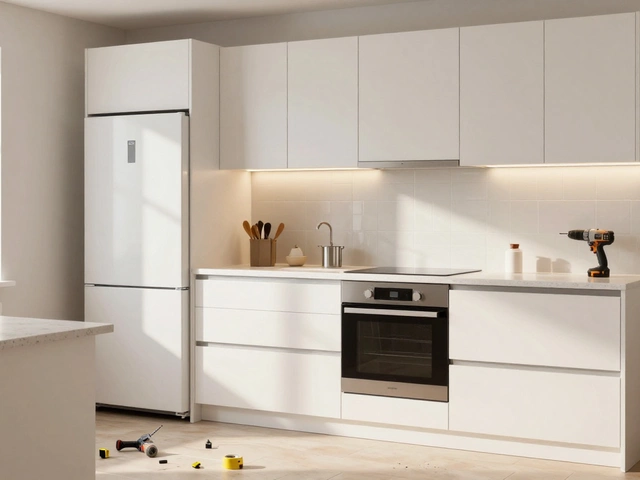
One of the first moves is figuring out the right kitchen layout, the arrangement of work zones, appliances, and traffic flow. Whether you choose a classic work‑triangle, a galley, an L‑shape, or an island‑centered plan, the layout dictates how efficiently you move while cooking. A well‑thought‑out layout reduces steps, keeps dangerous traffic separate from food prep, and makes it easier to keep the space tidy. Have you ever measured the distance between the fridge and the stove? That simple check can tell you if your layout will feel cramped or smooth.
Next comes the countertop material, the surface that bears the most wear, heat, and daily use. Granite, quartz, butcher block, and solid surface each bring a different look, feel, and maintenance level. Quartz offers low‑maintenance durability, while wood adds warmth but needs periodic sealing. Your choice should match the kitchen’s overall aesthetic and how much upkeep you’re willing to invest. Imagine the difference between a sleek white quartz island and a rustic reclaimed wood bar – both can anchor a design, but they speak to very different styles.
Lighting plays a quiet but powerful role. Kitchen lighting, includes ambient, task, and accent sources that affect safety and mood can make a cramped corridor feel spacious or a bright countertop look inviting. Layering recessed ceiling lights with under‑cabinet LEDs ensures you see every cutting board edge, while pendant lights over an island add a decorative touch. Good lighting also highlights the colors of your cabinets, backsplashes, and countertops, tying the whole room together.
Key Elements to Consider
Beyond layout, surfaces, and light, storage solutions determine whether your kitchen stays organized. Pull‑out pantry shelves, deep drawers for pots, and dedicated spice racks keep items within reach and out of sight. Think about the workflow: you’ll likely need easy access to pots near the stove, cutting boards near the prep area, and cleaning supplies close to the sink. Pairing smart storage with a logical layout reduces clutter and speeds up daily chores.
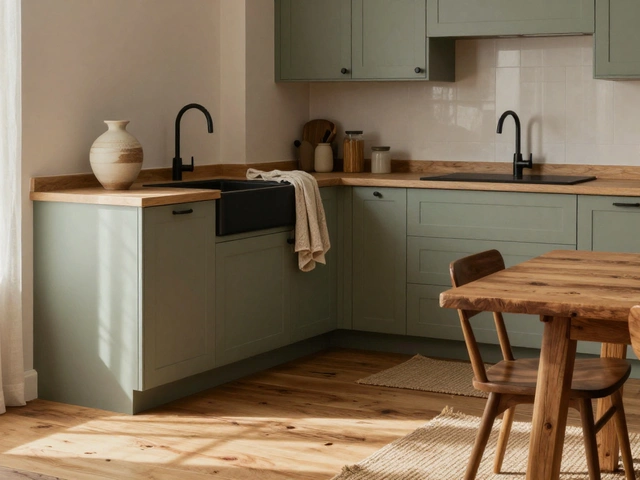
Color and style tie everything together. Current trends favor muted greens, warm greys, and matte black accents, but the right palette depends on the vibe you want – energetic, calm, or sophisticated. A splash of bold color in a backsplash can become a focal point without overwhelming the space. Pairing finishes, like brushed nickel hardware with matte cabinet paint, creates cohesion and a sense of intentional design.
Finally, think about the long‑term. Durable finishes, easy‑clean surfaces, and flexible layouts adapt as your needs change. Investing a bit more in quality countertops or modular storage can save time and money down the line, especially if you plan to stay in the home for years.
Now that you’ve got a roadmap covering layout, countertops, lighting, storage, and style, you’re ready to dive into the specifics. Below you’ll find a curated set of articles that break each of these topics down even further, offering step‑by‑step advice, product recommendations, and real‑world examples to help you bring your vision to life.
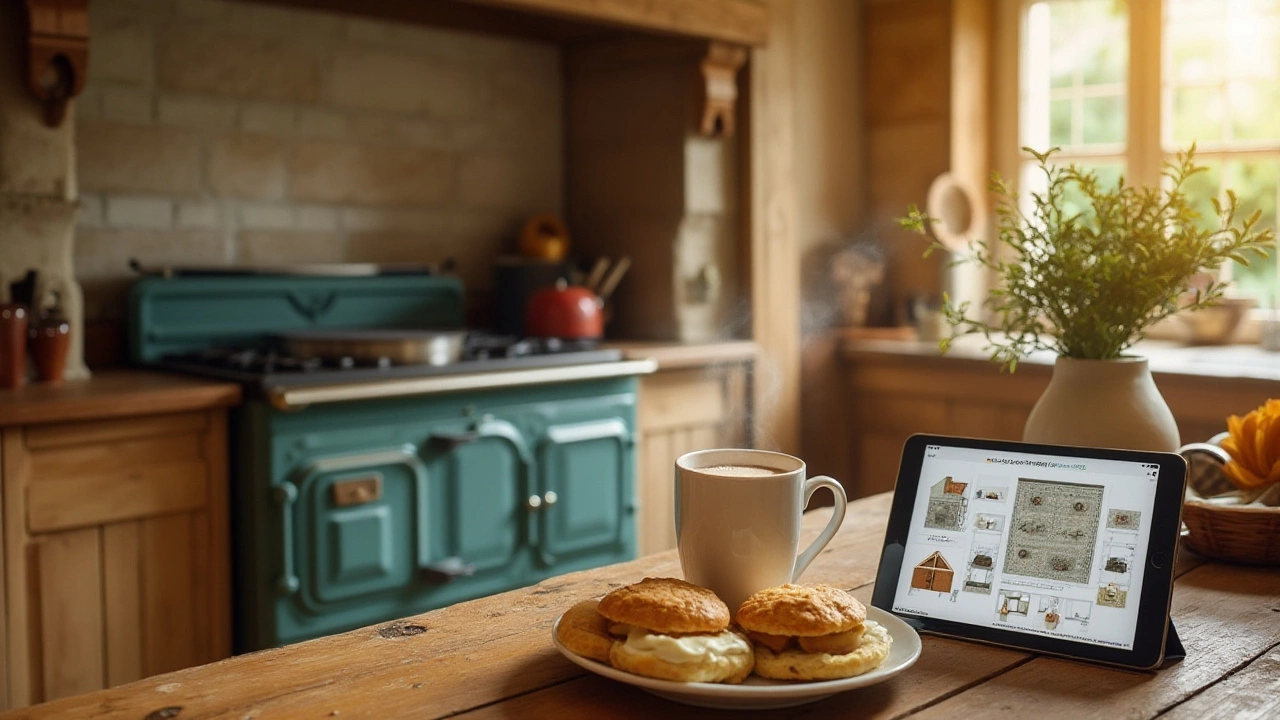
Top Free Kitchen Design Apps to Transform Your Space
Redesigning your kitchen can be a thrilling adventure, especially with the right tools at your fingertips. Several apps offer free features that allow you to plan and design your kitchen layout with ease. These tools provide creative freedom and practical insights into how your dream kitchen can come to life. Using these apps, you can experiment with different layouts and styles without breaking the bank. Find out which apps can help you visualize your perfect kitchen.
full article