Design Challenges – How to Tackle Them in Your Home
When dealing with design challenges, the obstacles that homeowners and designers face when trying to create functional, attractive spaces. Also known as design hurdles, it covers everything from color selection to space planning. interior design, the art of arranging rooms, colors, and furniture to meet aesthetic and practical needs often runs into these hurdles first. home renovation, the process of updating a building’s structure, systems, or finishes adds a layer of complexity because structural limits become part of the puzzle. Finally, a furniture makeover, changing or restoring pieces to fit a new look can either solve or create new issues, especially when space is tight. In short, design challenges encompass color coordination, storage planning, and material choices, and they require a mix of creativity and practical know‑how.
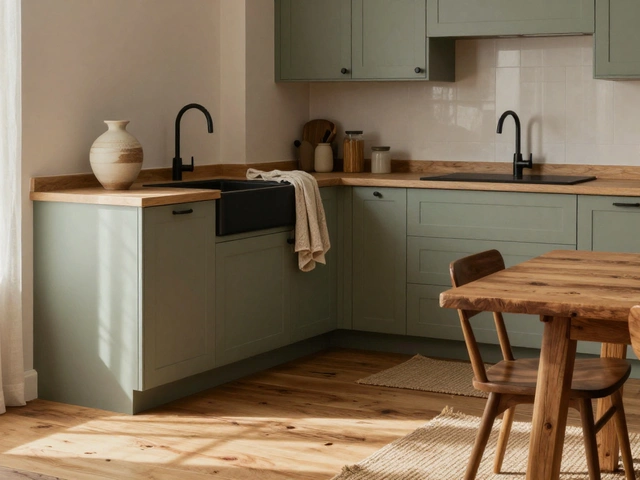
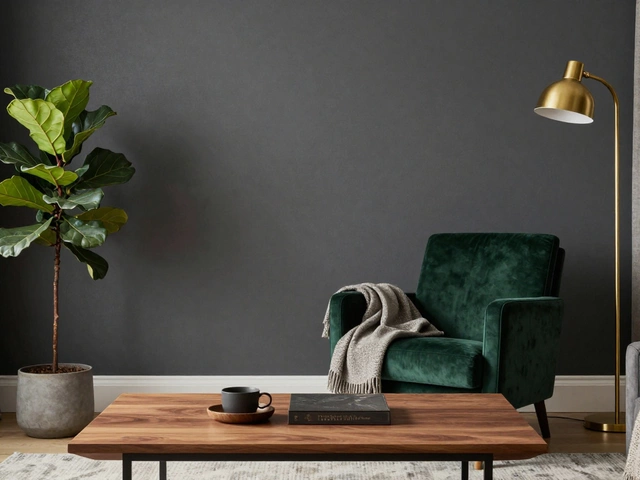
One of the biggest pain points is choosing the right colour palette. Design challenges often revolve around the fear of picking a shade that looks outdated in a year. Recent trends show that 2024 is moving away from the ubiquitous gray and toward softer, energising tones like warm sage and muted terracotta. The right colour not only sets the mood but also influences perceived space – light hues can make a cramped bathroom feel larger, while darker tones add drama to a spacious living room. Another frequent hurdle is storage. Design challenges require smart storage solutions that hide clutter without sacrificing style. Think vertical shelving, built‑in benches with hidden compartments, and multi‑purpose furniture that doubles as a closet or a workspace. When you pair clever storage with a coherent colour scheme, the room feels orderly and inviting.
Below is a quick look at the most common types of design obstacles you’ll meet and why they matter.
Common Types of Design Challenges
1. Colour selection – Deciding on a palette that works across walls, furnishings, and accessories. This challenge is tied to lighting conditions and the room’s purpose. 2. Space optimisation – Making the most of square footage without crowding the area. Furniture layout, traffic flow, and built‑in storage all play a role. 3. Material compatibility – Matching flooring, countertops, and fixtures so they look cohesive and endure wear. 4. Budget constraints – Achieving a high‑end look while staying within a realistic budget. Prioritising key pieces, using DIY finishes, and shopping sale periods can stretch dollars further. 5. Renovation timing – Coordinating trades, permits, and supply deliveries to avoid costly delays. A clear schedule and realistic timeline keep the project moving forward.
Each of these areas connects back to the central idea that design challenges are not isolated; they influence one another. For example, picking a bold colour may require new lighting fixtures, which adds to the material budget, and that in turn pushes you to look for cost‑effective storage options. Understanding these links helps you make smarter decisions early on and prevents re‑work later.
Now that you’ve got a solid grasp of why design challenges arise and how they intersect with interior design, renovation, and furniture makeover, you’re ready to dive deeper. Below you’ll find a curated selection of articles that break each obstacle down into actionable steps, give you trend insights, and show real‑world examples. Whether you’re refreshing a single room or planning a full‑scale remodel, the posts ahead will give you the tools to turn those hurdles into opportunities.
Scroll down to explore the full list of guides, tips, and case studies that will help you solve the design puzzles in your home.
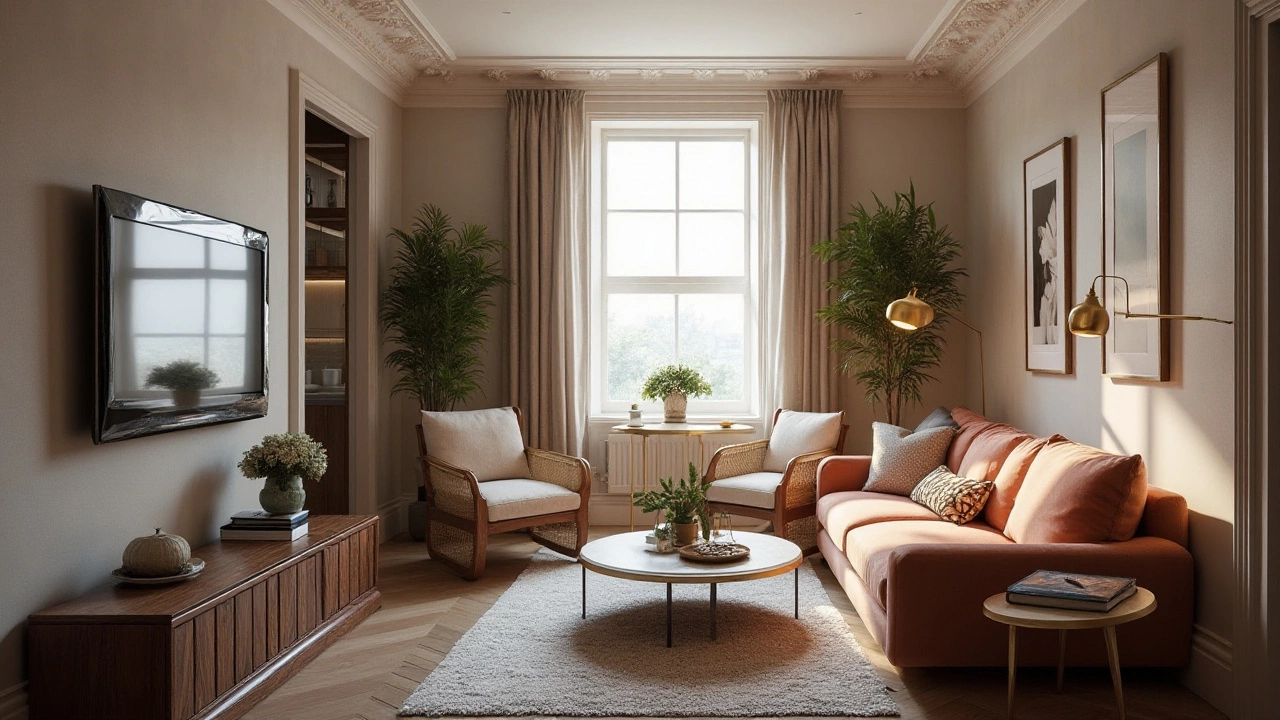
The Biggest Challenges in Interior Design and How to Overcome Them
Interior design is a craft that balances aesthetics and functionality, but it comes with unique challenges. One of the hardest aspects is understanding and working within spatial limitations while maintaining style. Designers also face challenges like budget constraints and client communication. This article explores these difficulties and offers tips to navigate them effectively, enhancing both the process and outcome of creating beautiful, functional spaces.
full article