Couch Styles: How to Choose the Perfect Look for Your Space
When you start thinking about couch styles, the overall design, shape, and fabric of a sofa that defines a room’s vibe. Also known as sofa designs, it influences comfort, visual flow, and how the piece fits with other furniture. Couch cushion types, different fills and covers that affect softness and durability and sofa upholstery fabrics, materials like linen, leather, or microfiber that determine look and wear are both core parts of any style decision. Finally, living room décor, the surrounding colors, lighting, and accessories that create a cohesive environment sets the stage for how a couch will be perceived.
Understanding Couch Cushion Types
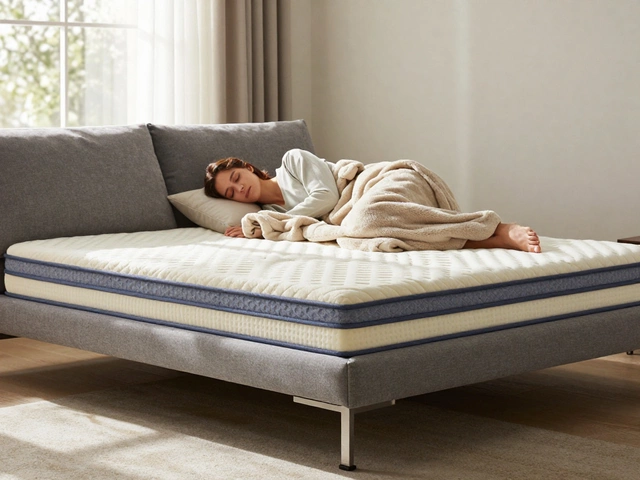
Choosing the right couch styles starts with the cushions you’ll sit on. Foam cushions give firm support and hold shape longer, while down‑filled cushions feel plush but need regular fluffing. A hybrid blend offers a balance—firm core with a softer outer layer. Cover fabrics range from easy‑care polyester blends to luxurious velvet. The cushion type directly influences a couch’s comfort rating and how it ages, making it a key attribute of any style. In simple terms, couch styles encompass cushion types, so picking the right fill and cover aligns the sofa’s look with its functional needs.
When you match cushion fill to your lifestyle—like tight‑knit foam for high‑traffic families or soft down for a lounge area—you’re also shaping the overall aesthetic. A sleek, low‑profile couch paired with firm cushions often reads modern and minimal, whereas a deep‑seated sofa with plush cushions leans toward classic comfort. This relationship shows how a single choice ripples through the entire design language of the room.
What Upholstery Fabrics Say About Your Couch
Upholstery fabrics act like the clothing of a couch. Leather offers a rugged, timeless look that ages beautifully, but it can feel too firm for some. Linen brings breezy elegance yet can wrinkle quickly, while microfiber stands out for its stain‑resistance—great for pet owners. The fabric choice also dictates maintenance routines; for instance, a performance weave may need only a quick vacuum, whereas silk upholstery demands gentle cleaning.
Because couch styles require appropriate upholstery, selecting a fabric that matches both visual preference and practical needs is essential. A contemporary sectional in a bold geometric pattern pairs well with a neutral, high‑performance fabric to keep the design from overwhelming the space. Conversely, a traditional Chesterfield benefits from rich leather that accentuates its deep button‑tufting.
Linking Couch Styles to Living Room Décor
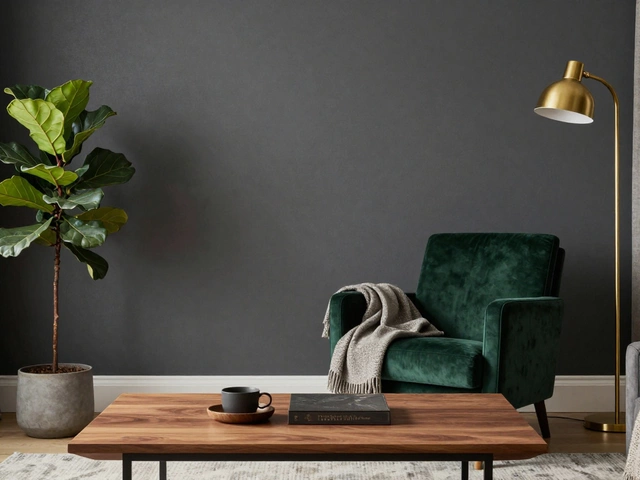
The sofa you choose acts as the anchor for your living room décor. If your walls sport muted earth tones, a vibrant couch can become the focal point. If you prefer a monochrome palette, a neutral‑colored couch with texture—like a boucle or tweed—adds depth without clashing. Lighting also plays a role; a glass‑top coffee table reflects a glossy leather sofa, while warm pendant lights soften a soft‑fabric couch.
In practice, living room décor influences couch styles. A room that leans toward mid‑century modern will likely feature low‑back, tapered legs, and tapered cushions. A farmhouse‑inspired space, on the other hand, might favor a slipcovered couch in linen or cotton for a relaxed vibe. Understanding this connection helps you choose a couch that feels intentional rather than an afterthought.
Considering Furniture Storage and Moving
Even the best‑looking couch can become a headache if you ever need to store or move it. Bulkier, modular sofas often break down into manageable sections, making them storage‑friendly. Lightweight fabrics like polyester or microfiber keep the overall weight down, while heavy leather pieces can strain movers and increase storage costs.
Because couch styles affect furniture storage, it’s wise to think ahead. If you live in a small apartment, a compact sectional that can be reconfigured offers flexibility. If you own a home with a garage, a larger, more ornate sofa might be viable, provided you have room for proper climate control to prevent mold. These practical considerations ensure your selected style remains functional over time.
Practical Tips for Picking the Right Couch Style
Start with the room’s purpose: a media room benefits from a recliner‑style couch with deep seats, while a guest‑friendly space should favor easy‑clean fabrics and a classic silhouette. Measure your space accurately—leave at least 30 cm of walking clearance around the piece. Test cushion firmness in the store; sit, lie down, and see how it feels after a few minutes. Check fabric samples against your lighting conditions; natural light can change how a hue appears.
Don’t forget the long‑term: think about how the couch will age with your family, pets, and lifestyle. A versatile style—like a simple, clean‑lined sofa with removable slipcovers—offers the most flexibility for redesigns down the line. With these pointers, you’ll feel confident selecting a couch that looks great, feels right, and fits your life.
Below you’ll find a curated collection of articles that dive deeper into each of these topics—cushion materials, fabric choices, décor pairings, and storage tricks—so you can fine‑tune your decision and enjoy a sofa that truly works for you.

Discovering the Best-Selling Couch Designs of 2025
In the world of home decor, the selection of a couch can set the tone for an entire living space. As 2025 unfolds, certain styles have clearly dominated the market, each offering unique benefits and aesthetic qualities. From modern minimalist designs to plush, comfort-oriented sofas, the current trends reflect a blend of functionality and style. This article delves into the most popular couch styles today, providing insights on why they've become favorites in households.
full article